Since the end of the Christmas break on January 10, 2026, all Christian secondary schools in East Jerusalem have been on strike, following a decision by the umbrella organization representing the institutions, the Secretariat of Christian Educational Institutions.
According to the Secretariat, more than 10,000 students are currently out of school and spending their days in the streets. The immediate trigger for the shutdown is the failure to renew entry and residency permits for 171 Palestinian teachers who live outside Jerusalem, in Judea and Samaria. These teachers are described as essential staff, accounting for roughly a quarter of all teachers employed by the institutions, without whom classes cannot resume.
Which Christian schools in East Jerusalem are closed and how many students are affected?
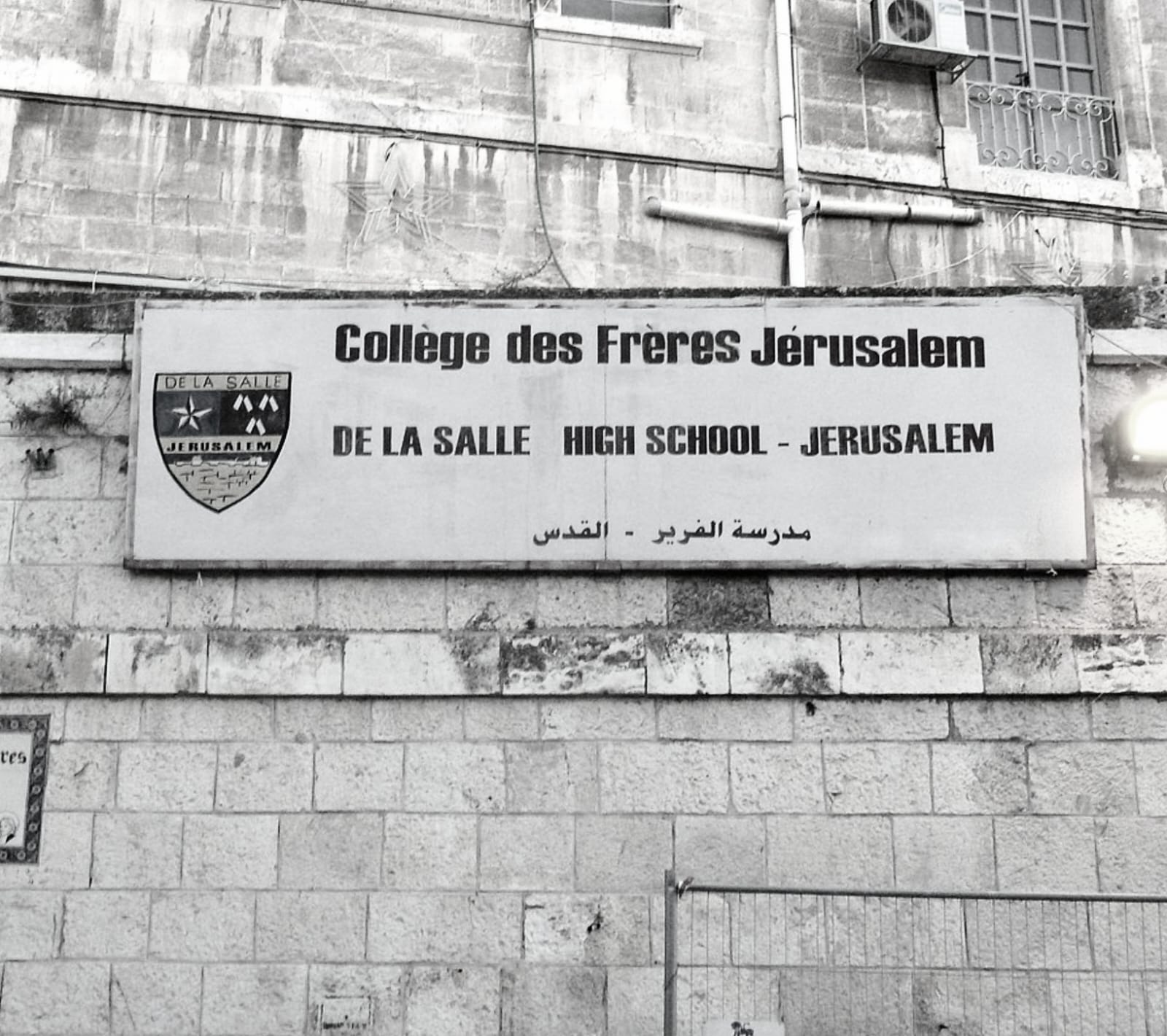
Among the shuttered institutions are some of the city’s largest and oldest Christian schools, including Collège de La Salle (Frères), one of Jerusalem’s most established schools; Terra Sancta School, run by the Franciscan Order; and the Rosary Sisters School, which primarily serves girls in East Jerusalem. Many of these schools are classified by Israel’s Ministry of Education and the Jerusalem Municipality’s education authority as “recognized but unofficial institutions.” The teachers in question are veteran educators whose entry permits had previously been renewed without difficulty.
The strike has brought to the surface a long-running struggle over the character of education provided to Palestinian students in East Jerusalem. At the heart of the dispute is the clash between curricula, namely the Palestinian Tawjihi system versus the Israeli matriculation track. Israel argues that the Palestinian curriculum contains incitement and denies Israel’s right to exist. As a result, growing pressure has been placed on private schools to adopt the Israeli curriculum as a condition for receiving funding or operating licenses, while Christian institutions are fighting to preserve the Palestinian or international curricula they currently use.
Why is Israel demanding curriculum changes in Christian schools in East Jerusalem?
The Ministry of Education insists that institutions classified as recognized but unofficial must be subject to strict supervision of educational content. During 2025, requirements related to textbooks were further tightened.
In addition, legislation advanced in the Knesset in 2025 seeks to bar the employment of teachers who studied at higher-education institutions within the Palestinian Authority. Since more than 60 percent of teachers in East Jerusalem hold such degrees, the move has created what school administrators describe as a “sword hanging overhead,” providing grounds to deny teachers entry permits to Jerusalem.
Alongside the permit issue, the institutions are also facing severe budget deficits, as seen in the case of Mar Mitri School, following cuts to state funding for recognized but unofficial schools. In practice, government support covers only about 30 percent of real costs, despite a theoretical entitlement of up to 75 percent.
Is the permit crisis in East Jerusalem leading to international intervention?
The Secretariat of Christian Educational Institutions has appealed to countries that act as patrons of religious institutions in Jerusalem, requesting their intervention in the crisis. The appeal argues that restricting teachers’ entry violates the status quo and historical agreements guaranteeing the autonomy of Christian institutions. The letter warns that the prolonged school closures are pushing thousands of children onto the streets in an already sensitive security environment and calls on foreign consuls to pressure Israel’s Ministry of Defense and the Coordinator of Government Activities in the Territories to issue annual permits, rather than short-term weekly or monthly approvals.