Jerusalem is a city where history is not only remembered but embedded in the landscape itself. Streets, museums and memorial sites across the city continue to tell stories from earlier chapters of the struggle for sovereignty and independence.
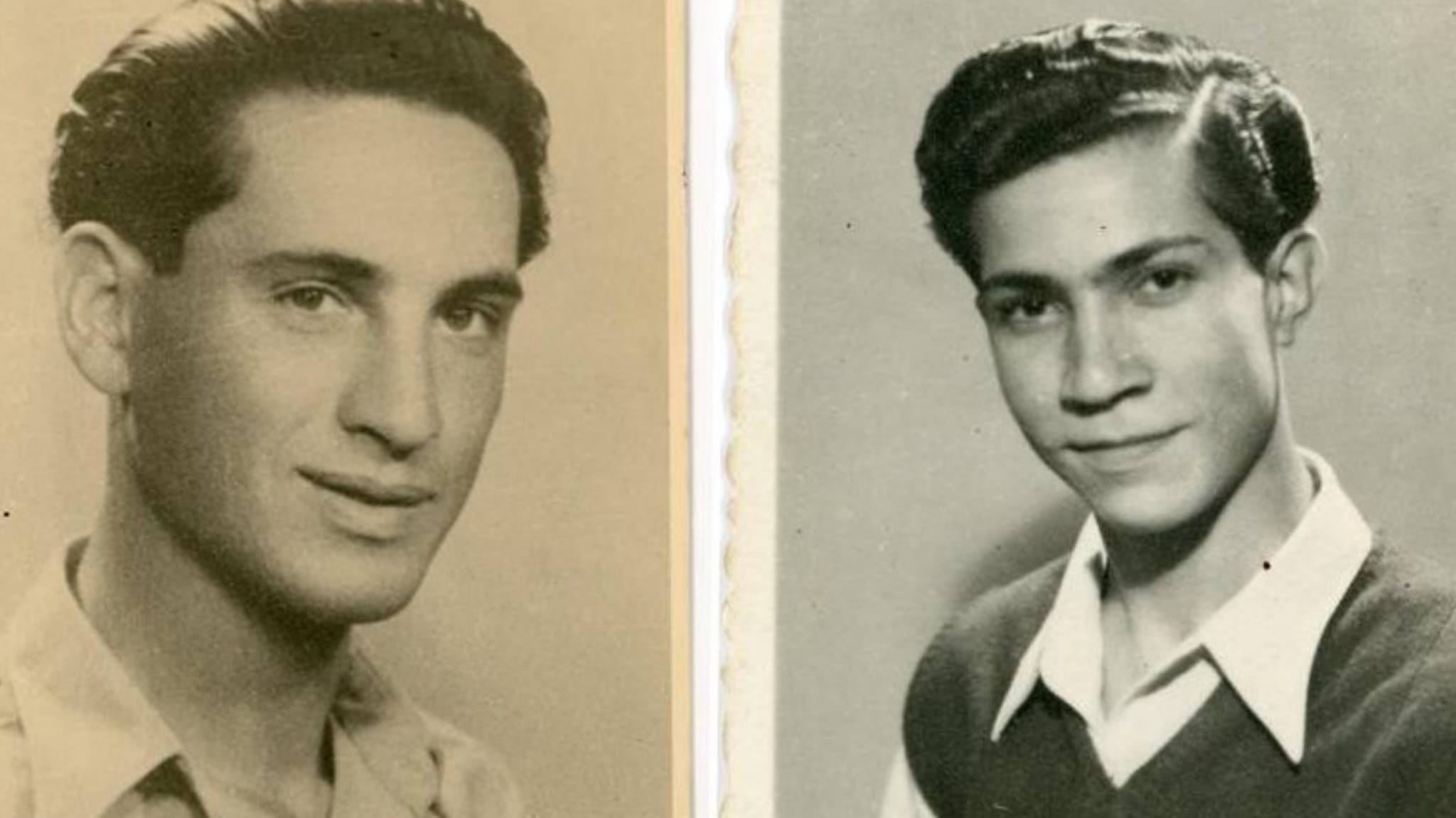
On March 9, 1947, Moshe Barazani was arrested on a street in Jerusalem with a Mills grenade in his pocket. The arrest would lead to one of the most dramatic stories of the struggle against British rule in Mandatory Palestine – the story of Barazani and Meir Feinstein, two underground fighters whose fate later became a powerful national symbol.
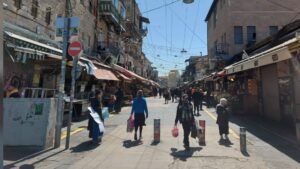
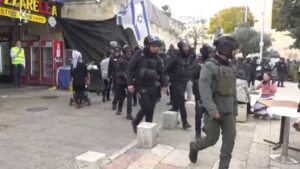
Today, as Jerusalem faces a tense security reality amid “Roaring Lion”, that historical story still echoes across the city’s public spaces and memorial sites.
How did Jerusalem become part of the story of Barazani and Feinstein?
Jerusalem preserves the memory of the two fighters through several locations across the city.
One of them is Olei HaGardom Street in the Armon HaNatziv neighborhood in Jerusalem. The street is named after the underground fighters executed by the British authorities. Symbolically, the neighborhood overlooks the area where the British High Commissioner once resided.
Another key site is the Underground Prisoners Museum in the Russian Compound in Jerusalem. The prison cell where Barazani and Feinstein were held has been preserved almost exactly as it was. Visitors walking along Heleni HaMalka Street can stand at the place where one of the most dramatic events of the underground struggle unfolded.
Mount of Olives Cemetery in Jerusalem is also closely tied to their story. Unlike most other “Olei HaGardom”, who were buried in Safed due to British fears of unrest in Jerusalem, Barazani and Feinstein were buried in the city where they had acted. Their graves in the section known as the “Martyrs of the Underground” overlook the Temple Mount.
What happened in the prison cell the night before the execution?
During his military trial, Barazani refused to recognize the authority of the British court. Addressing the judges, he declared:
“The Hebrew people see you as an enemy and a foreign regime in its homeland. We, the fighters for the freedom of Israel, are fighting you to liberate our land. Hanging will not frighten us, and you will not succeed in destroying us.”
Barazani was sentenced to death by hanging and held in a prison cell together with Meir Feinstein, an Irgun fighter who had also been sentenced to death.
Many requests for clemency were sent to the British High Commissioner. Among those who appealed were David Ben-Gurion, Yitzhak Ben-Zvi, the Chief Rabbis and members of the prisoners’ families. Yet the two refused to request a pardon.
Their comrades managed to smuggle grenades into the prison cell disguised inside hollowed-out oranges. Their original plan was to throw a grenade at the execution party, but if that failed they preferred to die together rather than walk to the gallows.
During the night between April 21 and April 22, 1947, just hours before their scheduled execution in Jerusalem Prison, the two detonated the grenade inside their cell. Their act turned them into one of the enduring symbols of the Jewish underground struggle.
How does this historical story connect to Jerusalem today?
The name “Roaring Lion” reflects for many the broader idea of defending the country and preserving sovereignty.
For many residents of Jerusalem, the memory of Barazani and Feinstein forms part of a longer historical continuum connected to the city. Even decades later, their story remains embedded in the physical and symbolic landscape of Jerusalem.