In Jerusalem, as in other major cities, the hours after a night out are the most dangerous on the road. While London, Paris and New York have already invested in strategies to reduce fatal crashes during these vulnerable hours, Jerusalem continues to record a troubling rise in casualties. The tragedy in Yadin Tunnel during the Rosh Hashanah holiday exposed once again the deadly mix of fatigue, speed and weak enforcement.
Road accidents in Jerusalem – a growing threat
Against this backdrop, official statistics show that Jerusalem consistently ranks among the cities with the highest number of fatal road accidents in Israel. The city’s unique geography makes driving particularly hazardous: congested streets in the center give way to fast arteries like Highway 50 and the surrounding tunnels. Young drivers leaving entertainment venues, families returning from holiday meals, or soldiers heading back from leave – all share the same roads, where a single mistake can cost a life.
Yadin Tunnel tragedy on Rosh Hashanah
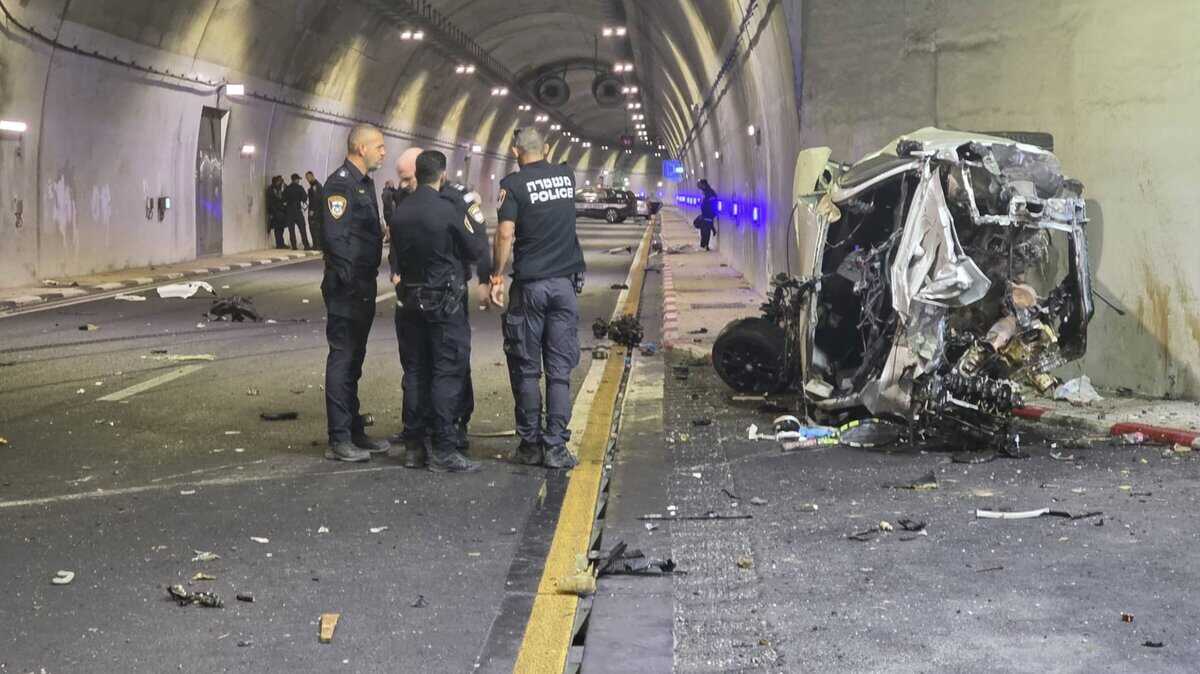
During the Rosh Hashanah holiday last week, a fatal self-inflicted crash occurred in Yadin Tunnel. A private car lost control, and medical teams arriving at the scene were forced to declare the driver dead. Police officers from the Lev HaBira station and Jerusalem’s road accident investigators opened an inquiry, while the driver’s relatives tried to force their way into the scene, clashing with officers. The incident underlined how quickly a festive holiday can turn into a moment of grief, highlighting the fragility of safety on the capital’s roads.
London, Paris and New York already act – will Jerusalem follow?
Other cities around the world have not waited for grim statistics to accumulate. In London, smart speed cameras have been installed across tunnels and major roads, while discounted night transport options aim to keep tired drivers off the wheel. Paris has reduced speed limits to 30 km/h in central neighborhoods and increased night police presence. New York runs long-standing campaigns against “drunk and drowsy driving” and promotes taxis and ride-sharing services as safe alternatives. In Stockholm, harsher penalties for fatigued drivers are part of the “Vision Zero” program that aspires to eliminate fatal accidents altogether.
(Jerusalem attack remembered – terrorist’s house demolished)
Jerusalem as a laboratory for solutions
These global examples demonstrate that there are concrete ways to reduce nighttime fatalities. Jerusalem could serve as Israel’s testing ground for innovative policies – starting from using data gathered from cameras in tunnels such as Yadin Tunnel, through stricter education for young drivers, and targeted campaigns addressing both secular and religious communities during holidays. The open question is whether the city will adopt proven solutions or continue to pay the human cost of inaction.