The passage of a death penalty law for terrorists in the Knesset is not just another dry legal move but an earthquake shaking Jerusalem to its core. In a city where life and death intersect on almost every street, many see the step as a necessary correction meant to restore deterrence lost in recent years. Supporters across Jerusalem neighborhoods are convinced that the knowledge a terrorist will not leave prison alive could stop the next attacker from acting. For them, justice must be visible and carried out on the gallows to send a clear message that Jewish blood in the capital is not abandoned and that the era of prison perks and academic degrees for prisoners is definitively over.
How did Stockholm become part of Jerusalem’s story?
The surprising link between the Swedish capital and Jerusalem stems from Stockholm’s transformation into an ideological center that sees itself as a global moral compass. Swedes are not just watching Jerusalem from afar, they analyze every legislative move through the lens of universal human rights and view Jerusalem as a live laboratory in the tension between democracy and security.
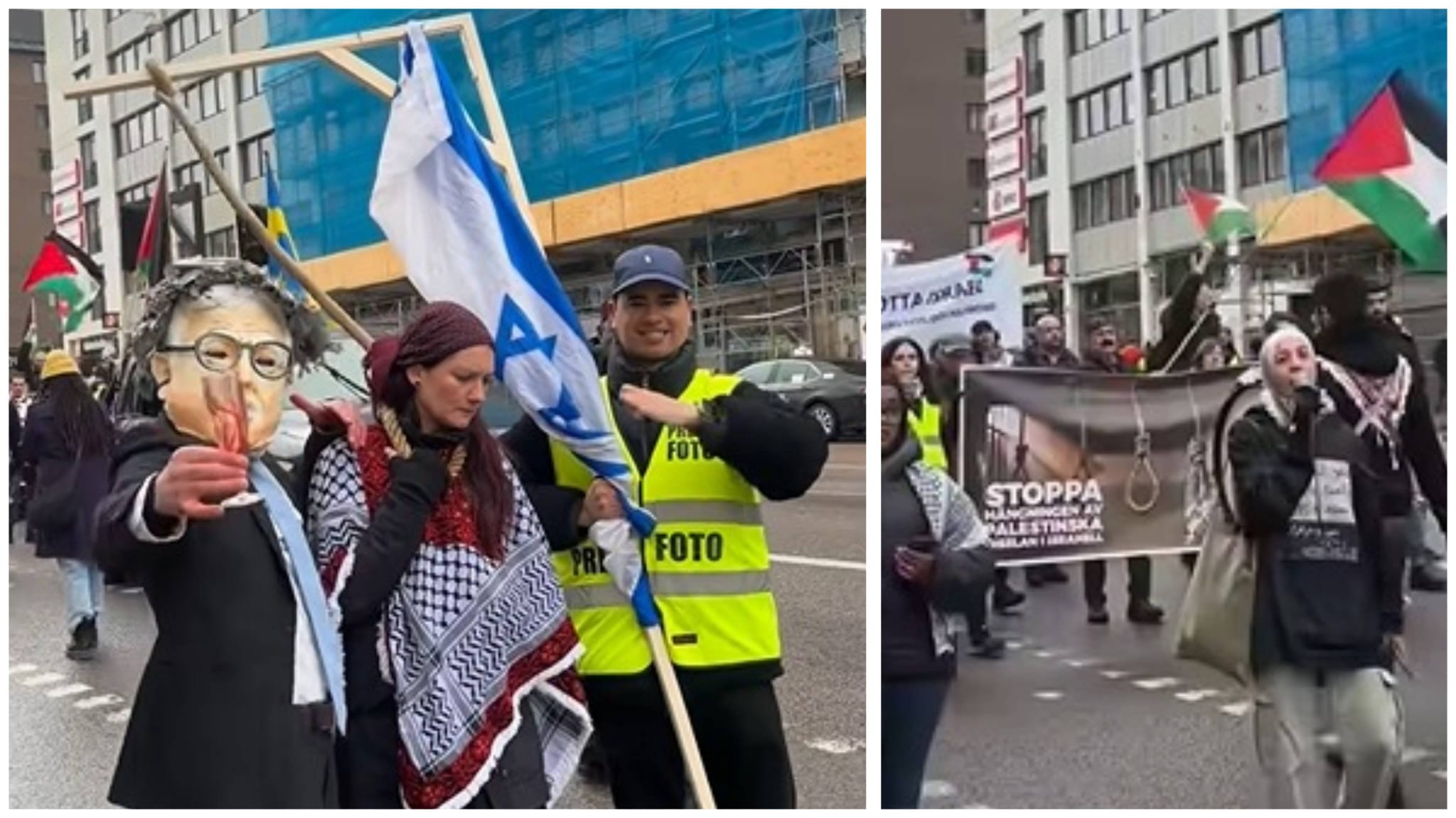
The involvement of Swedish voices and the protests in Stockholm’s streets are not accidental. They are fueled by a strong and influential local Muslim community that keeps developments in Jerusalem at the top of the agenda. For protesters in Stockholm, Jerusalem is not only a holy city but a symbol of a global struggle, and they believe that pressure from afar is the only way to influence decision makers in Israel and prevent what they define as moral decline.
Could European pressure ignite East Jerusalem?
Continuous coverage on Al Jazeera and large protests in Sweden and other European arenas create a sense of international siege and anger that seeps deep into East Jerusalem neighborhoods. Islamic news outlets frame the death penalty law as a direct declaration of war and claim selective and discriminatory enforcement, fueling unrest on the ground and giving local youth a powerful sense of international backing.
The combination of European pressure and religious incitement turns every potential sentence into political explosives that could erupt at known friction points across Jerusalem at any moment, potentially evolving into a broader protest wave energized by support from abroad.
The central question hovering over the Damascus Gate axis is whether a death sentence can truly deter someone who has already decided to become a martyr and end their life.
Many security experts warn that the law may not deter but instead turn every execution into a defining event that could trigger unprecedented waves of retaliation in Jerusalem’s streets. The city could find itself caught in a cycle of abduction attacks aimed at bargaining to prevent executions, turning daily life into a constant battlefield.
In the end, Jerusalem’s residents will stand on the front line, and the real test of the law will not be in courtrooms but in whether it brings the hoped for calm or fuels the ongoing cycle of violence.