The measles outbreak in Jerusalem sends an unequivocal warning: the city must wake up, whether through vaccinations provided by health maintenance organizations or through nature itself, via food seen by some as a form of preventive medicine.
In recent days, for example, an 11-month-old baby infected with measles has been hospitalized at Hadassah Ein Kerem Medical Center, after her condition deteriorated at an extremely rapid pace. Dr. Uri Polak, head of the Pediatric Intensive Care Unit at Hadassah, noted that “this is a tragic case of very rapid deterioration that required connecting the infant to an ECMO machine. I once again urge all parents to vaccinate their children against measles and to follow Ministry of Health guidelines that allow vaccination to be administered earlier, in order to prevent severe and life-threatening illness.”
What Is Measles and Why Is It Still Dangerous in Jerusalem?
Measles is one of the most contagious viral diseases known to medicine. Brief contact or time spent in an enclosed space is enough to transmit it. As part of the measles outbreak in Jerusalem in recent months, there is a particular danger for some patients, especially infants, children, and adults who are not fully vaccinated – in certain cases, measles can lead to severe complications and even death.
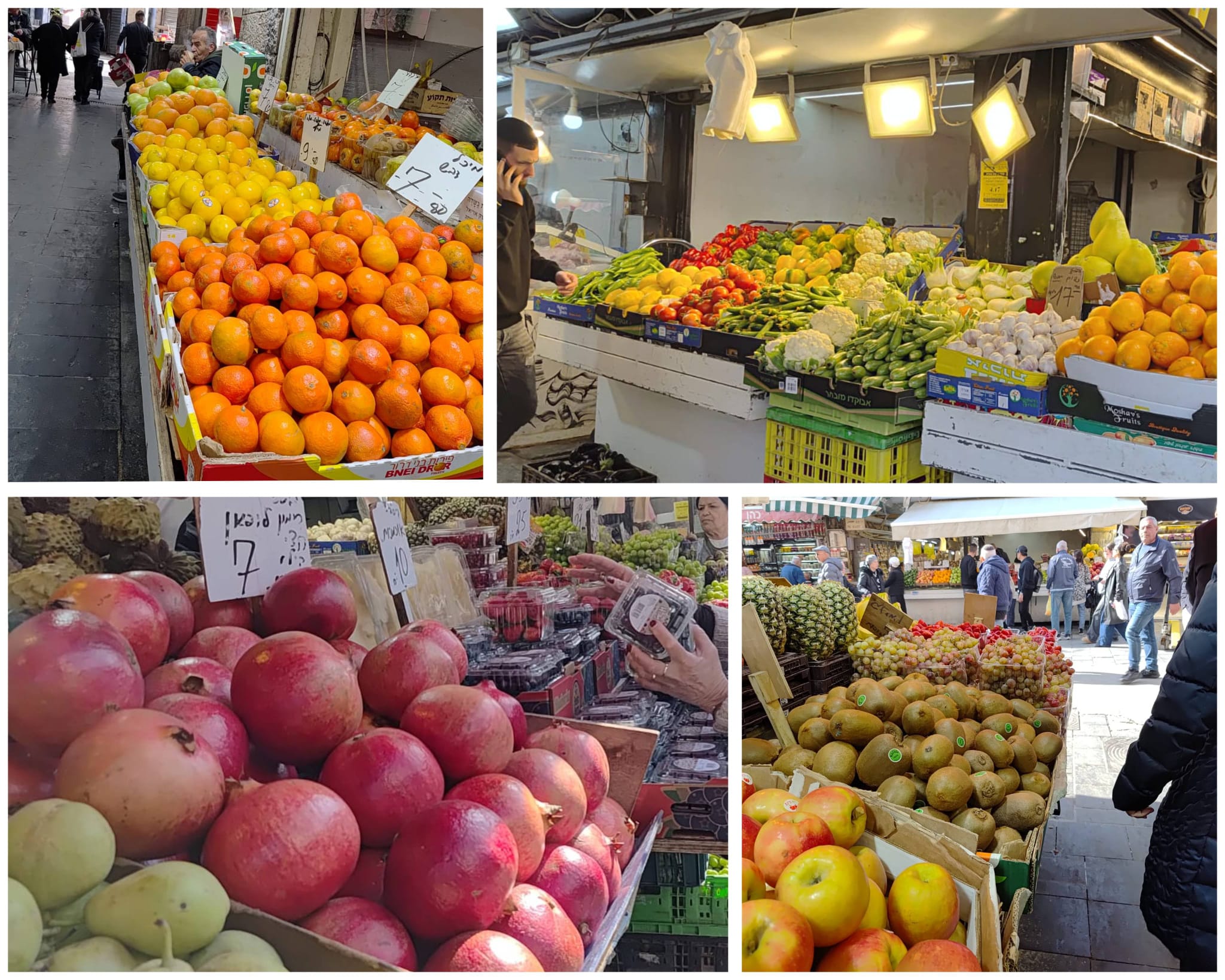
There is no treatment that eliminates measles, only supportive care. However, proper nutrition can also serve as a line of defense: Mahane Yehuda Market, with its abundance, can help strengthen the immune system and weaken the impact of measles – orange vegetables, as well as green ones such as broccoli, lettuce, parsley, arugula, beets, colorful peppers, citrus fruits, apples, and kiwi.
Why Are Health Funds in Jerusalem Warning of a Life-Threatening Risk?
Health funds in Jerusalem are calling on parents to vaccinate children who have not yet been vaccinated, and are also inviting adults who are unsure of their vaccination status. Everyone is being urged to receive two full doses of the vaccine. Doctors are warning the public in Jerusalem: this is not a mild illness, it is a life-threatening danger.
So far in Jerusalem, measles has spread in densely populated ultra-Orthodox neighborhoods with low vaccination rates, including the areas of Mea Shearim, Beit Yisrael, the Bukharan Quarter, and Sanhedria. At the same time, outbreaks have also occurred in parts of the Arab neighborhoods, where vaccination compliance is likewise low. Inside the city’s hospitals, medical teams are confronting particularly severe cases, underscoring just how dangerous measles remains, even in a modern world that sometimes believes itself to be immune.
But beyond medicine, measles holds up a social mirror. It is a disease that resurfaces only where pockets of non-vaccination exist. The personal choice of individuals in Jerusalem not to get vaccinated does not remain personal; it affects infants, chronically ill patients, and those who do not yet have the ability to choose. In the space between freedom and indifference, the mutual responsibility of any society is ultimately determined.