In the heart of Jerusalem, in a neighborhood perched between two worlds, a 3-year-old girl was murdered—allegedly by her own father. This is not just a family tragedy. It’s a mirror held up to a city where one side no longer understands the other
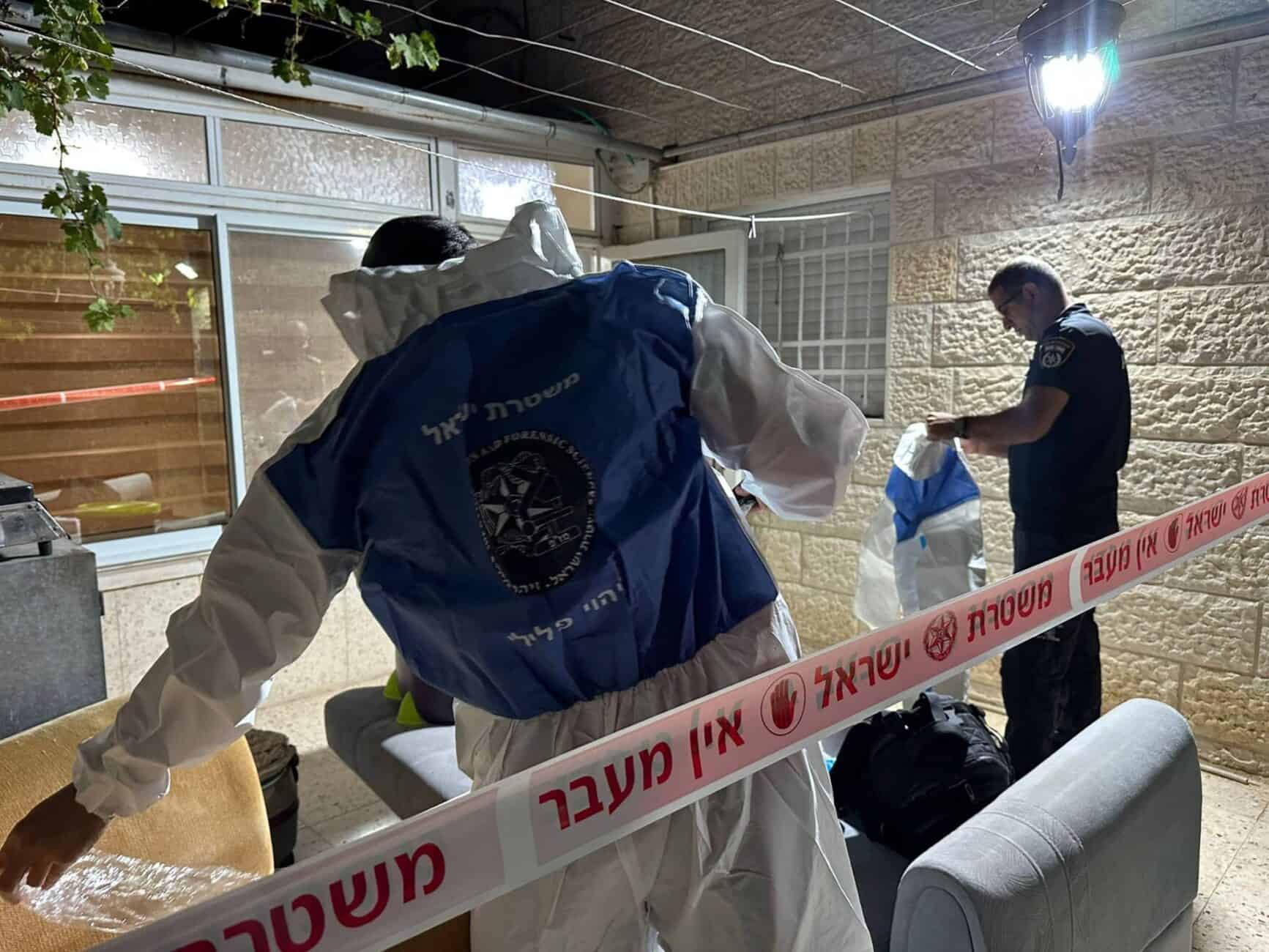
The incident took place recently in the East Jerusalem neighborhood of Sur Baher. A report to the police emergency line triggered a rapid response from Jerusalem’s Oz station and Border Police forces. Officers secured the scene, and forensic teams from the Jerusalem District gathered evidence. Medical teams declared the girl dead at the scene. Her father, in his 30s and a resident of the neighborhood, was located and arrested shortly afterward
District Commander Yaniv Moyal arrived for an assessment with senior officers. The case is being treated as criminal in nature—but its deeper context cannot be ignored
Sur Baher: Separate Norms Inside the Capital
Geographically, Sur Baher is within the boundaries of Jerusalem. But in practice, it often operates under a different set of norms—cultural, social, and legal. What looks like a suburb on the map functions more like an independent enclave
Urban culture researchers define such areas as “socially distinct zones”: communities that see themselves as outside the state’s authority and evolve their own internal systems. This may lead to local pride—but also to silence, internal violence, and a lack of state intervention
Sur Baher, like other parts of East Jerusalem, exists in a legal and moral gray area. Education systems differ, trust in law enforcement is low, and poverty is widespread. Tragedies like this one don’t come out of nowhere. They emerge from years of structural fracture
Can Jerusalem Handle This Fragmentation?
Can Jerusalem truly absorb a place like Sur Baher? Can a so-called “unified city” function when some residents live by completely different moral codes
(Jeep, Horses and Chaos: Wedding Convoy in Jerusalem)
A child murdered by her father is not just one man’s crime. It exposes deep fault lines—between community and state, between silence and accountability. And it forces the city to confront a difficult question: how much distance can a city contain before it falls apart
In today’s Jerusalem, unity is no longer guaranteed. The murder in Sur Baher demands not only justice—but a reckoning