In recent weeks, a subtle but troubling shift has become visible around Beit Safafa, a neighborhood once known for calm streets and familiar local figures who grew up to become Jerusalem football players. Drivers who accidentally entered the area report brief moments of unease, sharp looks and an atmosphere that feels different from the balanced coexistence many associated with the neighborhood. Something has changed, residents across Jerusalem say, and the latest security case only strengthened that feeling.
Is driving through Beit Safafa becoming risky for Jerusalem drivers?
Reports have increased of drivers entering Beit Safafa unintentionally and feeling a rise in tension as they navigate its narrow interior roads. The street layout, the sudden turns and the recent mood in the area have created a sense of unpredictability. For many in Jerusalem, this raises a pressing question: has a simple shortcut or wrong turn through Beit Safafa become a route people prefer to avoid, even during daytime hours.
Is walking the Railway Park section near Beit Safafa unsafe?
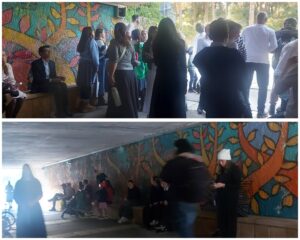
Jerusalem’s Railway Park, usually seen as a peaceful urban route for evening walks and bike rides, passes near the edges of Beit Safafa. Over the past months, residents reported moments of alertness, cautious glances and a shift in atmosphere along the section closest to the neighborhood. What used to be a comfortable daily passage now feels different, and the recent security investigation has sharpened that shift.
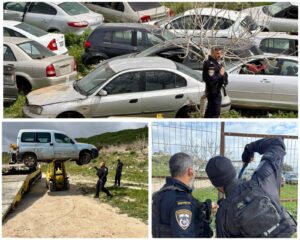
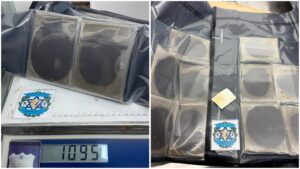
According to the joint investigation by Jerusalem Police and the ISA, four young residents of Beit Safafa consumed ISIS content online, including graphic videos and ideological indoctrination. The step from online exposure to real-world planning happened quickly: the group purchased an airsoft-style handgun, military gear and weapon accessories. One of the suspects reportedly told investigators that the gun was intended for what he called “the great war” against Jews or anyone not Muslim. The phrasing alarmed investigators and deepened questions about the local ideological climate.
A search at the home of one suspect revealed a handgun hidden inside a chicken coop alongside military equipment. The location itself indicates more than a concealed item. It reflects a shift taking place inside a neighborhood that is deeply connected to broader Jerusalem life. Two of the suspects are expected to face indictment, while the investigation into the others continues.
Jerusalem, a city trained by years of tension to sense early signals, is wary of local changes that do not appear at first glance. When drivers report fear, walkers along Railway Park feel alert and security services uncover extremist motivation within a mixed residential area, the concern expands beyond one case. The open question now is whether this marks an isolated incident or the sign of something deeper forming inside Beit Safafa. For many in the city, the answer is already taking shape.