It’s more than just a street
Emek Refaim has never been merely a route — it’s been a statement: of status, of lifestyle, and of a local ideology that refused to yield. But now, even the German Colony in Jerusalem is beginning to make room for the Blue Line. And in many ways, it feels like the symbolic end of an era
The Blue Line works: from fallback plan to fait accompli
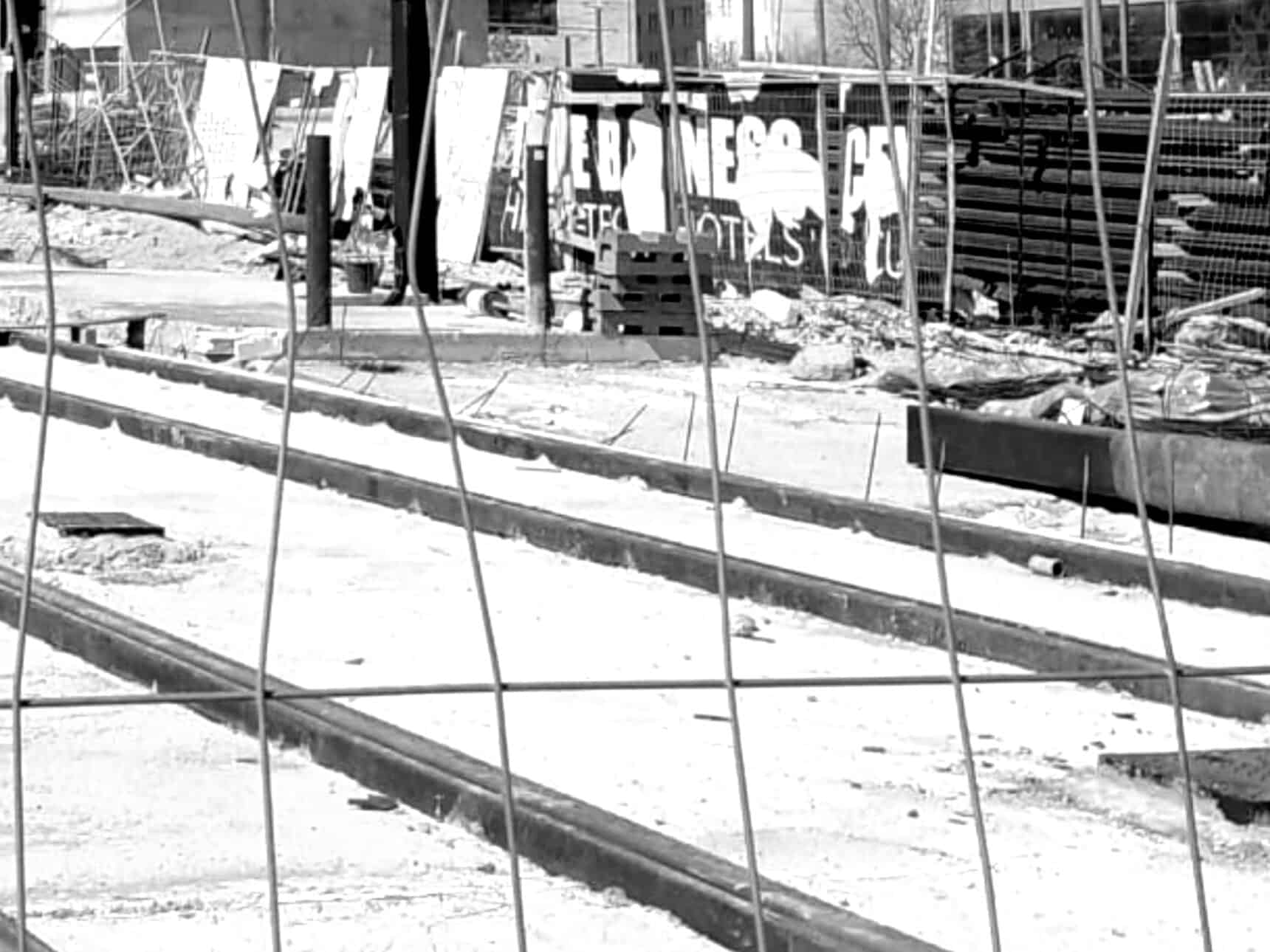
This week, infrastructure work begins on Emek Refaim — a stretch once considered a red line for those opposing the light rail. The Moriah company will start underground drilling, aiming to minimize damage to the street’s historic trees. In the second phase, track laying will begin under the direction of the Blue Line operator, JTRAIN, with promises to minimize disruption to businesses and pedestrians
(Jerusalem’s Lion Fountain Sinks in Trash and Silence)
During construction, the road will be converted to one-way traffic, and vehicles will be redirected through side routes such as Kovshei Katamon, 29th of November, Sheskin, and Elazar HaModa’i. A temporary parking lot will also be opened on Azariah Street
Between past and future: a global transformation
Jerusalem is not alone. Over the past decade, dozens of historic cities worldwide have undergone urban transport revolutions that cut through the heart of their traditional character
In Lisbon, trams rattle through 18th-century alleys; in Prague, light rail curves between imperial palaces; and in Budapest, sleek new stations now stand across from cafés once frequented by Europe’s political elite
In each of these cities — as in Jerusalem — the story repeats itself: fierce resistance, public outcry, painful disruption. But once the rails are laid and the station is built, it often turns out that history is not erased — but amplified
When did it really happen? When the elite lost
The question isn’t when construction began — but when the opposition lost its power. Over the past decade, Emek Refaim has gradually shifted from a symbolic bourgeois boulevard into a transit corridor connecting Gilo to Mount Scopus. It wasn’t a political revolution or an ideological defeat — it was simply the critical mass of a city moving forward
(Jerusalem’s Concrete Revolution and Its Silent Price)
And it’s no coincidence.
This stretch is set to become a central station in the 31-kilometer Blue Line, expected to carry 250,000 passengers daily across three routes: Gilo–Ramot, Malha–Mount Scopus, and Givat Hamatos–Hadassah Ein Kerem. And right in the heart of the German Colony — they all converge
Rail, heritage – and a quiet surrender
The project will do more than lay tracks: it will redesign the entire streetscape, with new sidewalks, benches, greenery, and lighting
And in the place that once resisted every change — Jerusalem will soon open one of its most modern stations
Maybe this is what the end of an era really looks like
No protests, no court appeals, no slogans — just a station quietly rising where legacy once stood alone