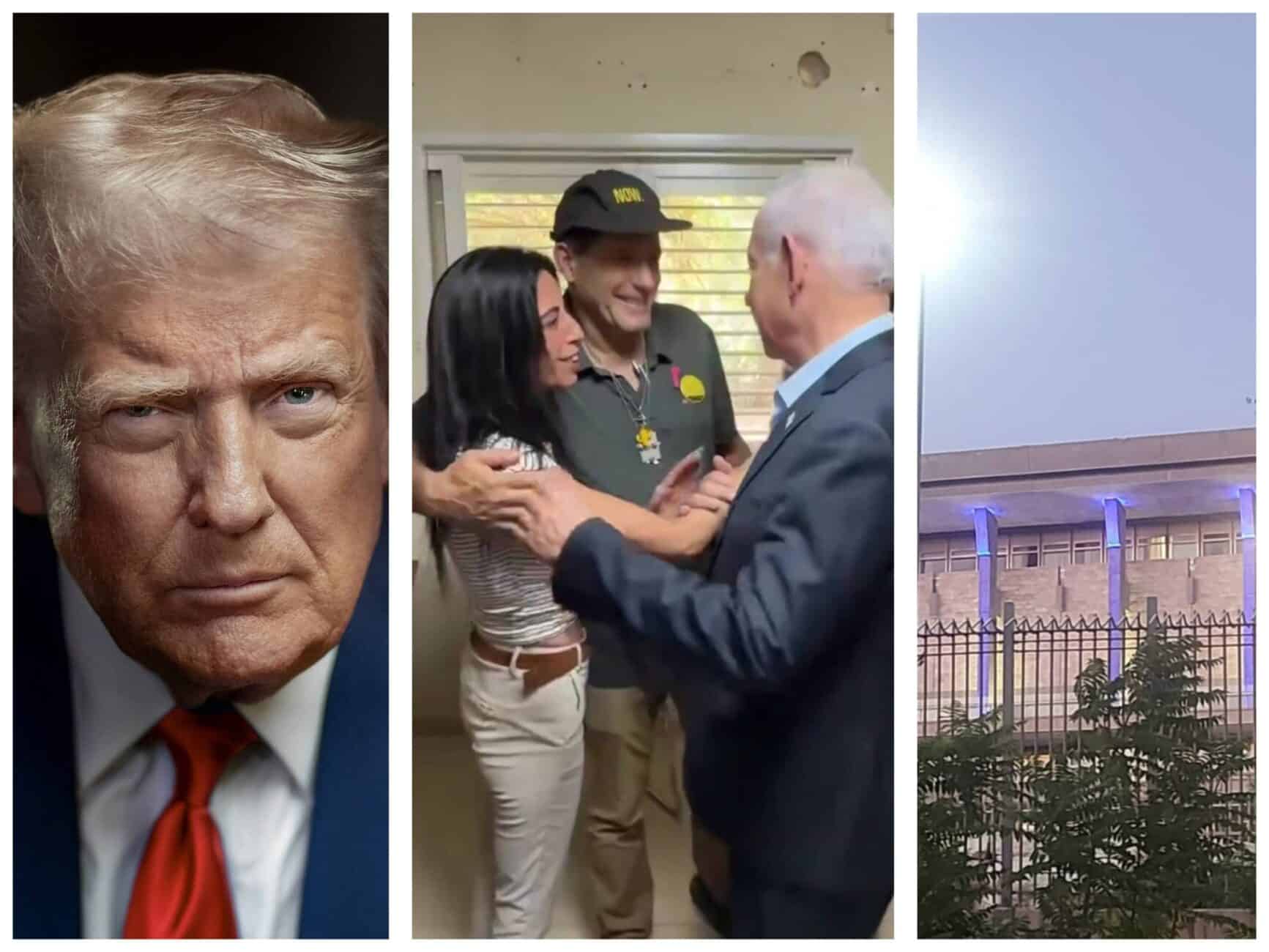
While Prime Minister Benjamin Netanyahu toured Nir Oz – the kibbutz where her son, Matan Tzangauker, a young man from Ofakim, was abducted – Einav, his mother, met him face to face. She hugged him, exchanged glances, and shared words filled with pain and hope. But the feeling surrounding that moment is now almost universal: the deal that could bring Matan home won’t be signed in Jerusalem. It will be decided in Washington
Trump is Motivated – and the Deal Is Moving
Negotiations for a hostage deal are approaching a critical point. Reports suggest that Israel may receive around ten living hostages out of twenty still held in Gaza, as well as the bodies of approximately thirty Israelis killed during the war. In exchange, Israel would agree to a prolonged ceasefire – perhaps the longest since the beginning of the conflict
(Eviction Despite Permits: Umm Tuba’s Jerusalem Flashpoint)
Against this backdrop, U.S. President Donald Trump has emerged as the quiet engine behind the scenes. Though he holds no formal role in the negotiations, it is clear he has a stake in the deal’s success. A breakthrough could present him as a stabilizing force in the region – a leader capable of orchestrating historic moves from the White House
Trump has long maintained close ties with Qatar, Israel’s leadership, and other regional players. Today, even a political signal from him could create pressure – or open doors. And with the deal so close, any movement from Washington might be the one that tips the scales
In Nir Oz – Her Heart Is with Her Son, Her Eyes on America
The meeting between Netanyahu and Einav took place in Nir Oz, on the very soil where time stood still for her. This was no formal ceremony in the Knesset and no staged press event – it was a charged moment in a place where a family’s life was torn apart. Einav stood before the Prime Minister, but she may well understand that the person who can truly change the situation is not standing across from her – he’s in Washington
Still, the image above also includes the illuminated dome of the Israeli Knesset in Jerusalem – a symbol of a sovereign, democratic nation with functioning institutions. But Jerusalem – the city of symbols and ministries – now feels powerless compared to Washington. Not the place where decisions are made, but the place where they are felt
For hostage families, the Knesset today is little more than a backdrop. Real influence, in their eyes, lies far from the square – in entirely different corridors of power
(From Jerusalem to Gaza: The Bloody Path of Abu Sninah Ends)
Between Tears and the Halls of Power
The agreement to a ceasefire will not be driven by street protests, but by diplomatic conversations. The decision to move the deal forward will not come from a member of Knesset – but from a senior figure in the White House or a close associate of the Qatari leadership
Families in Israel continue to fight: protests, letters, interviews. But their struggle is no longer aimed only at their own government. It now confronts a global order in which Israel has become a consumer of foreign will. The major decisions – the ones that bring children home – now depend on forces far beyond its borders