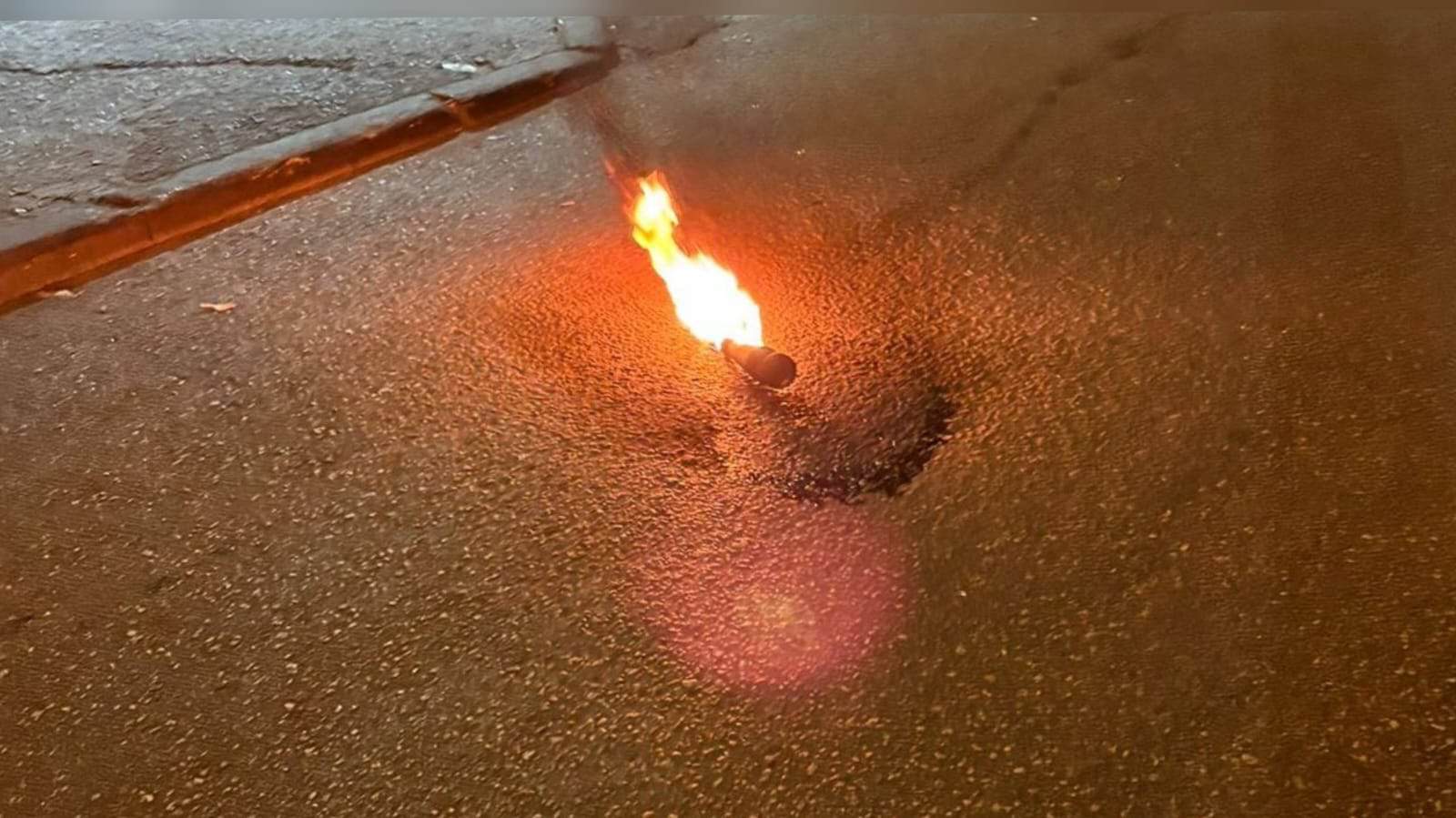
Flames on the roads of Issawiya are more than a fleeting image of local unrest – they are part of a recurring cycle of clashes in East Jerusalem. On Monday night, Border Police officers and district patrols entered the neighborhood, encountering burning dumpsters, stones and Molotov cocktails hurled at them. Under direct threat, undercover Border Police officers opened fire, wounding a 15-year-old resident in moderate condition. The incident once again underlined the fragile line between routine security activity and a city split by competing rules.
Molotov cocktails and the flag of Islamic Jihad
During searches at the scene, additional Molotov cocktails were found, some unused and some already thrown. Police also reported seizing a flag of the Islamic Jihad organization from the injured teenager. For the security establishment, such items transform street violence into an act tied to organized militant ideology, reinforcing the sense of danger that demands immediate response.
(Hamas Symbol in Jerusalem: Abu al-Baraa the New Sinwar?)
East Jerusalem caught between control and alienation
The Issawiya incident illustrates the structural fracture of Jerusalem. While tourists celebrate in the city center, East Jerusalem neighborhoods face repeated confrontations between youths and security forces. The involvement of a 15-year-old in violent clashes, alongside symbolic ties to militant groups, raises urgent questions about a society under constant pressure and about a new generation growing up in a city with divided rules.
Jerusalem District Police reiterated that they will act “with a firm hand and zero tolerance” against anyone attempting to attack citizens or security personnel. Yet the broader dilemma remains: can order be imposed in East Jerusalem by force alone, or is this a cycle that will not easily be broken?