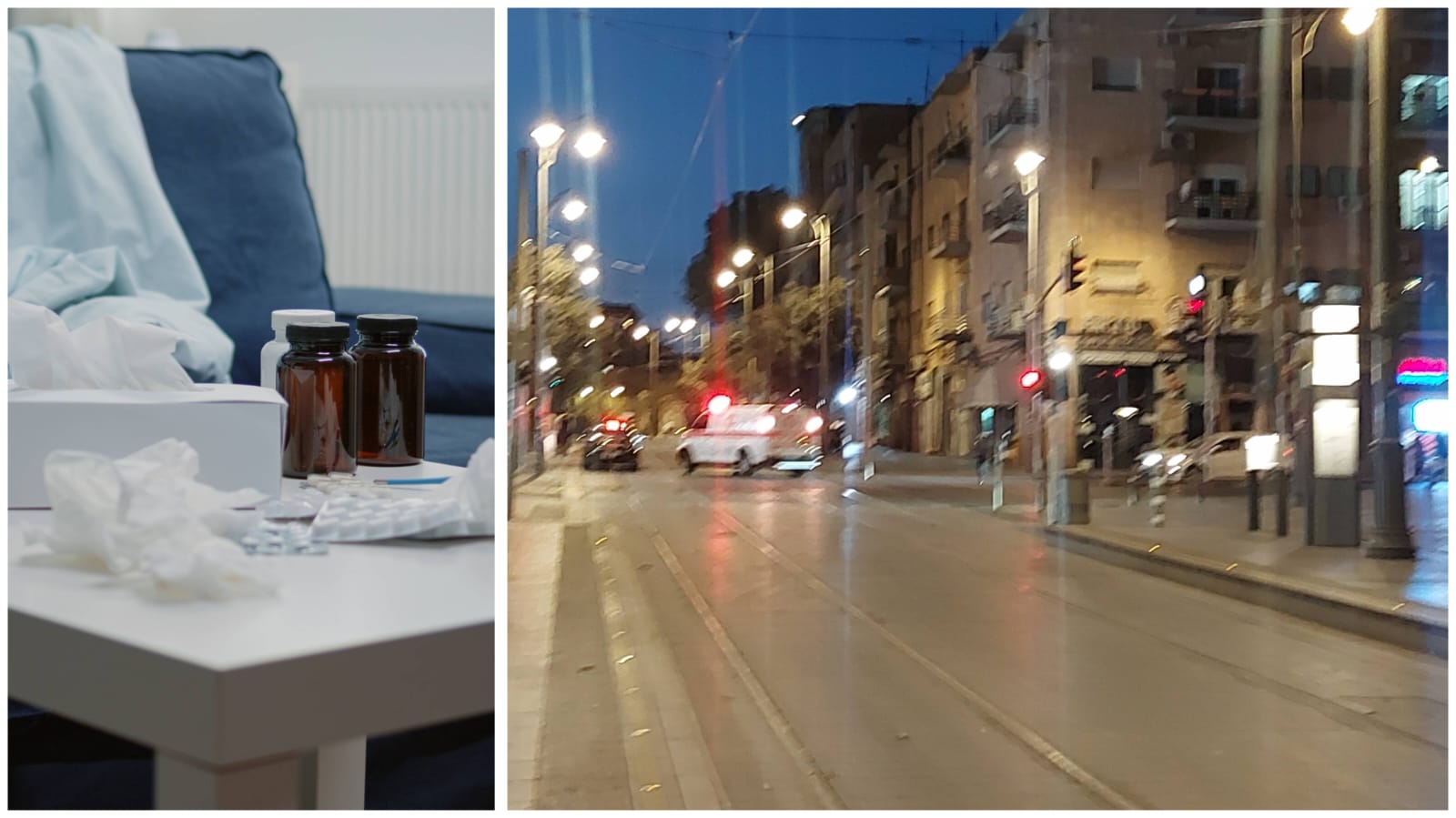
Hospitals across Jerusalem are reporting a steady daily rise in flu-related admissions, particularly in internal medicine wards. The initial strain is already visible in emergency rooms, bed availability and staff readiness, with health officials reporting that the number of hospitalised patients continues to increase without signs of slowing.
At Hadassah Ein Kerem and Hadassah Mount Scopus, Shaare Zedek and Bikur Cholim, alongside East Jerusalem hospitals including Augusta Victoria, Al-Makassed and St Joseph, intensified efforts are underway to encourage vaccination and limit further deterioration. Health funds have also stepped up outreach, but much of the response is now taking place while the flu wave is already unfolding inside the system.
Jerusalem presents a particularly difficult challenge. Large conservative populations, including ultra-Orthodox communities, Muslim residents and other traditional groups, show consistently low vaccination uptake. As a result, more patients are arriving at hospitals in advanced stages of illness, requiring longer admissions and placing additional strain on wards already operating near full capacity.
Flu becomes a severe medical emergency when it spreads among vulnerable populations, particularly infants, older adults and patients with chronic conditions. What may begin as a seasonal infection can rapidly escalate into pneumonia, respiratory failure and acute deterioration of existing illnesses. Infants and young children, whose immune systems are still developing, are frequently hospitalised within days, requiring constant monitoring, oxygen support and extended care. In severe cases, flu and its complications pose a real threat to life, turning every increase in infections into an immediate burden on hospital capacity.
Hospital overcrowding in Jerusalem – what is happening now?
Inside internal medicine wards, pressure is mounting. Beds are filling fast, waiting times are stretching and medical teams are working under sustained strain. As admissions continue to rise, hospitals are forced to manage capacity hour by hour, with little margin for flexibility.
Each additional patient triggers a ripple effect. Transfers between units increase, wards operate at the edge of their limits, and pressure spreads beyond flu cases, affecting routine care across the hospital system.
Seasonal flu – how are major cities coping worldwide?
Jerusalem’s situation echoes patterns seen in other major cities. In London, Paris, Berlin and New York, recent winters saw early saturation of internal medicine wards, forcing hospitals to delay non-urgent treatments and deploy temporary measures to preserve basic services.
International experience points to a clear divide. Cities with high vaccination uptake tend to stabilise earlier, while those marked by vaccine hesitancy experience prolonged admission waves and deeper disruption to routine care.
Flu vaccination – can hospital capacity still be protected?
Even as the surge continues, vaccination remains a critical tool for reducing severe illness and easing pressure on hospitals. In Jerusalem, however, the challenge extends beyond clinical medicine and into the realm of trust, access and community engagement.
The coming weeks are expected to determine whether Jerusalem’s health system can stabilise the situation, or whether hospitals will be forced to operate throughout the winter beyond the limits of their capacity.