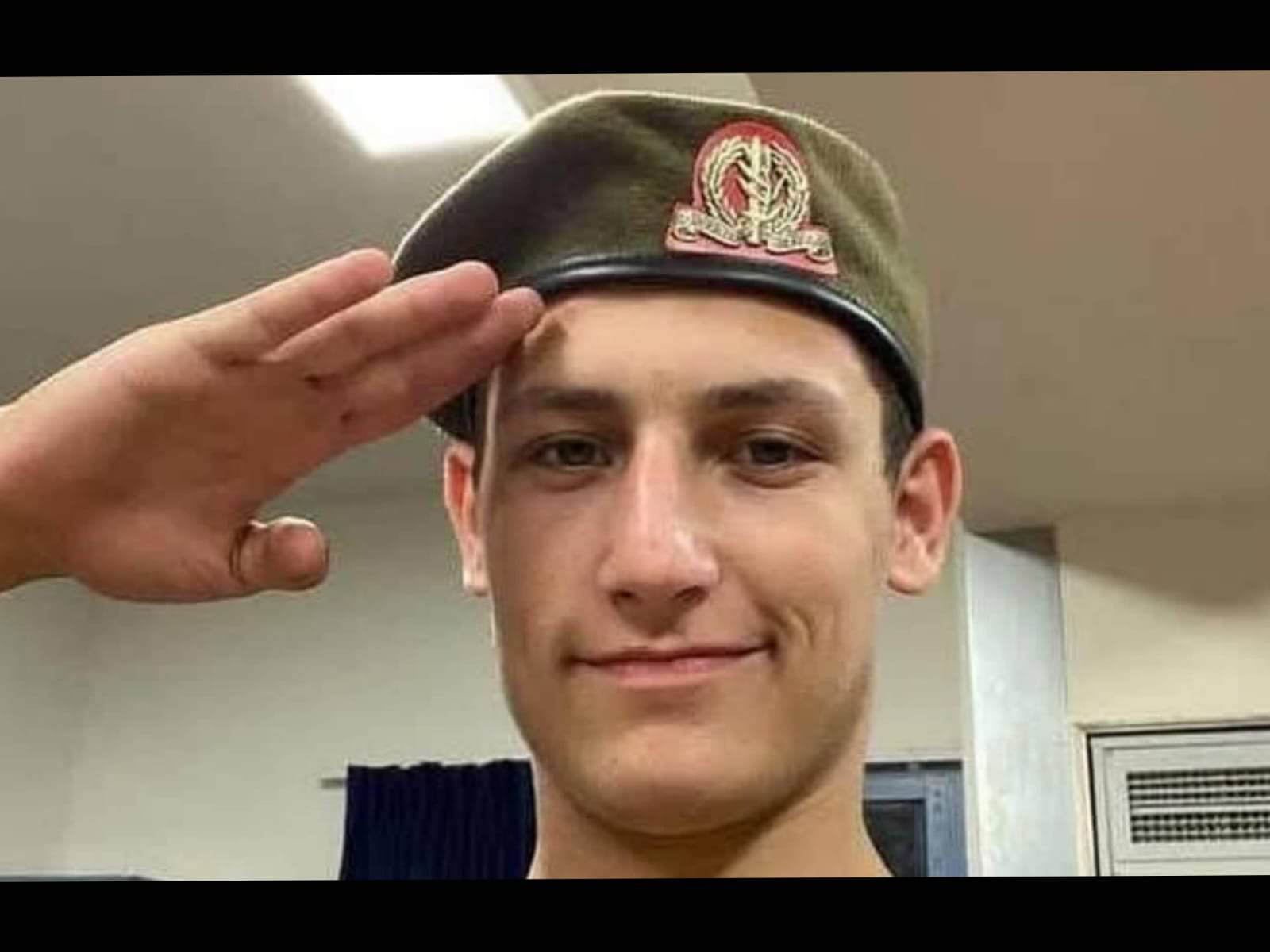
On Sunday, July 20th, 2025, Corporal Dan Shimshon Mandel Philipson was laid to rest at Mount Herzl Military Cemetery in Jerusalem. A 19-year-old lone soldier from Norway, Philipson died by suicide at the training base of the IDF’s 202nd Paratroopers Battalion
Philipson had immigrated to Israel alone as part of the army’s program for overseas volunteers. After three months at the IDF’s Mechina program in Mahaneh Elon’s training base, he fulfilled his dream and was accepted into a combat unit. He lived at Kibbutz Be’erot Yitzhak, joined the “Ra’ut” support program for lone soldiers, and found a caring home in Israel.
His commanders and peers described him as quiet, responsible, hardworking, and beloved. None suspected the internal struggle he was facing
(Hate Crime in Jerusalem – From Quiet Pavement to Flashpoint)
Expose the pain — but tread carefully
News of Philipson’s death spread quickly across Israeli news outlets and social media, followed by a wave of intense debate
Should the media report on soldiers who take their own lives — or does it risk encouraging more tragedies
Some journalists, bereaved families, and mental health advocates insist on transparency. They argue that hiding such incidents only perpetuates stigma and prevents real intervention
“If we don’t talk about it, how will we protect the next Dan?” wrote one activist
Others, however, including psychologists and military professionals, warn that publicizing suicides may act as a trigger — especially for vulnerable youth or soldiers under stress
The harm, they caution, may be immediate and tragically silent
The Werther Effect vs. the Papageno Effect
The research is complex
In 1974, sociologist David Phillips published a landmark study showing that media reports about suicide were followed by a measurable rise in suicide rates — a phenomenon later dubbed the “Werther Effect
Subsequent studies confirmed that young, idealized figures are particularly prone to becoming tragic icons that inspire imitation
Yet in recent years, a more nuanced view has emerged
Systematic reviews published in leading medical journals such as BMJ and The Lancet suggest that the way suicide is reported matters greatly
Articles that avoid graphic detail, reject glorification, and offer support resources may actually help reduce risk. This phenomenon — known as the “Papageno Effect” — was first outlined in 2010 by researchers at the University of Vienna
The World Health Organization has issued clear guidelines: reporting suicide is not inherently wrong, but it must be done with caution and responsibility
(Jerusalem’s Chain Street: Old Decree, New Tensions)
A grave in Jerusalem — and an open question
Among the rows of quiet tombstones at Mount Herzl, a new grave now marks the final resting place of a young man who came to Israel alone and fell in a war of the soul
Can a society speak of pain without amplifying it
And in a world where silence no longer protects anyone — does the media have the right to remain silent