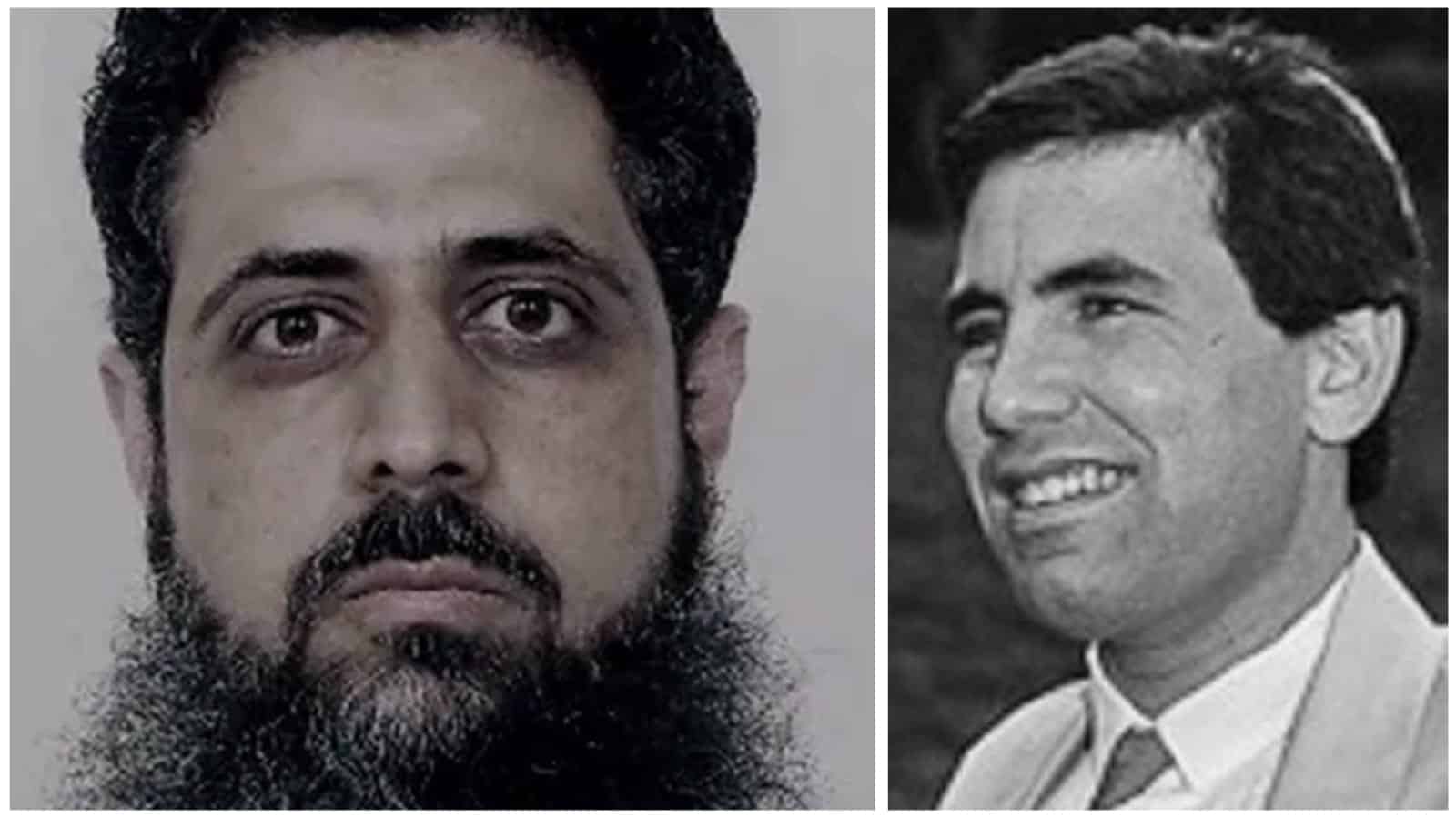
In a last-minute change, Israel was forced to agree to replace 11 Fatah members with Hamas prisoners on the list of security inmates to be released as part of the hostages deal. Among those added was Mahmoud Mousa Issa, known as “Abu al-Baraa,” who founded the first Hamas military cell in Jerusalem. A leading Hamas symbol and one of the prison movement’s most influential figures, Issa had been sentenced to three life terms plus 49 years. Now set to be released and deported abroad, questions arise: will he become Hamas’s next leader and step into the shoes of Yahya Sinwar?
Kidnapping and Murder of Nissim Toledano
Issa, now 57, was born and raised in the town of Anata in East Jerusalem. Raised in a religious Palestinian family, he began his political-religious activism at an early age. He joined the Muslim Brotherhood in Jerusalem, participated in activities at Al-Aqsa Mosque, and in 1987, during the First Intifada, took part in establishing Hamas. Issa was among the first to form Hamas military cells in Jerusalem and soon became a senior field commander in the city’s eastern sector.
He is considered one of the founders of Hamas’s military wing and promoted the idea of kidnapping Israeli soldiers as a tool for freeing security prisoners – an approach that became central to Hamas. He created the “Special Unit 101,” the first Hamas abduction squad.
On December 13, 1992, Issa’s squad kidnapped Border Police officer Staff Sergeant Nissim Toledano in Lod, held him in a cave near Hizma on the outskirts of Jerusalem, and demanded the release of Hamas founder Sheikh Ahmed Yassin. When Israel refused, Toledano was murdered and his body left near Alon.
(Accomplice to 11 Murders in Jerusalem – The Heavy Price)
Years in Prison – Following Sinwar’s Path
In 1993, Issa was captured and convicted of Toledano’s kidnapping and murder, as well as other serious offenses. He was sentenced to three life terms plus 49 years. Inside prison, he became a leading Hamas figure and was repeatedly elected by fellow inmates to head the organization’s prison leadership.
Issa led large-scale hunger strikes, wrote a book on the “doctrine of resistance,” and was regarded as one of the movement’s ideologues. Due to his influence, the Israel Prison Service kept him in solitary confinement for 13 years. His years in isolation only strengthened his stature, turning him into a symbol of endurance, dedication, and sacrifice – much like the years behind bars shaped Yahya Sinwar.
In recent posts on Palestinian social media, Issa’s release is already being celebrated, with comparisons to Mohammed Deif and Yahya Ayyash. Could he indeed rise to such stature and perhaps step into Sinwar’s place?