In Jerusalem, a sense of inevitability is spreading through the streets: the hostages in Gaza may never return. The latest remarks by President Donald Trump, suggesting that only about ten remain alive while many others have perished, have shaken families and supporters to their core. Against the silence of the government and the growing normalization within Israeli society, Jerusalem has become a city of vigil and defiance.
Gaza Street turns into a protest camp
Over the past days, Gaza Street in Jerusalem – just steps from the official residence of the prime minister – has been transformed into a symbolic frontline. Families of the hostages, joined by supporters, erected tents on the main road, declaring they would no longer wait passively. For them, the government proceeds with business as usual while their loved ones languish in Gaza, a contrast that deepens the pain and fuels determination.
Jerusalem protest for the hostages expands
This realization has been spreading among demonstrators: the current struggle has not produced tangible results. Large parts of the Israeli public have grown accustomed to the harsh reality, accepting the hostages’ plight as a tragic backdrop rather than an urgent national mission. Within this normalization, the families are convinced that only drastic escalation can break the complacency.
March from Paris Square to the Prime Minister’s residence
On Saturday night, protesters once again gathered at Paris Square, in Jerusalem’s Rehavia neighborhood – a weekly site of memory and prayer. But this time, the crowd refused to end with a vigil. A determined march advanced toward the prime minister’s residence, its chants reverberating through the city streets. It was more than a protest march; it was an alarm bell, signaling that this may be the last moment for the hostages.
אלפים ירדו מכיכר פריז לרח עזה, פינת מטודלה בעקבות קריאתה של ענת אנגרסט pic.twitter.com/3cffK1xYBZ
— לירי בורק שביט (@lirishavit) September 20, 2025
A chilling reminder: the name Ron Arad
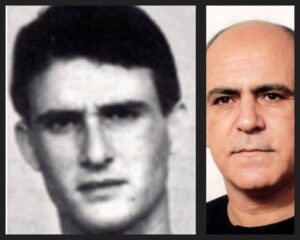
Adding to the distress, Hamas released over the weekend a propaganda image portraying all hostages under a single name: “Ron Arad.” The choice of that name – belonging to the Israeli airman captured by Amal in Lebanon in 1986 and never returned – was widely seen as a cruel provocation. For the families, it was not only an insult but a historical warning, reopening a national wound that has haunted Israel for nearly four decades.