Jerusalem recently experienced an exceptional heatwave, with record-breaking temperatures even in the higher parts of the city. For many residents used to the cool mountain air, this was a startling reminder that the climate is shifting. What once felt like a manageable summer in comparison to the coastal plain is now turning into an ongoing challenge. Against this backdrop, a broader picture of climate change in the city is becoming clear
Heatwaves in Jerusalem are breaking records
The extreme episode was not an isolated incident but part of a longer pattern. This summer, temperatures in Jerusalem resembled those of desert cities rather than a highland capital. Meteorological data show it was one of the hottest periods the city has faced in recent years. Residents describe daily struggles – from outdoor work to overcrowded, overheated public transport
Within this context, experts note that the number of extremely hot days in the city has been steadily rising. A report by the Israel Meteorological Service found a sharp increase in the frequency of “tropical nights” in Jerusalem over the past decade, when temperatures remain uncomfortably high. These findings raise questions about how prepared the city really is for the decades ahead
Climate change reaches the mountain city
The consequences are visible not only on thermometers but also in everyday life. Climate experts warn that Jerusalem is not immune to global warming. The city’s summer, once considered a relative refuge from the national heat, now feels less distinct. Residents feel the gap between Jerusalem and the coastal plain closing rapidly
In parallel, local vegetation is struggling to survive. Public gardens require more irrigation, while older neighborhoods with outdated infrastructure are hit hardest during heatwaves. Experts agree that Jerusalem must embrace smarter urban planning to withstand rising temperatures. This, in turn, raises the question of how the city can balance development and construction with preparations for a harsher climate
(Heatwave in Jerusalem? Celebrations at the Western Wall)
Jerusalem between nature and the overheated city
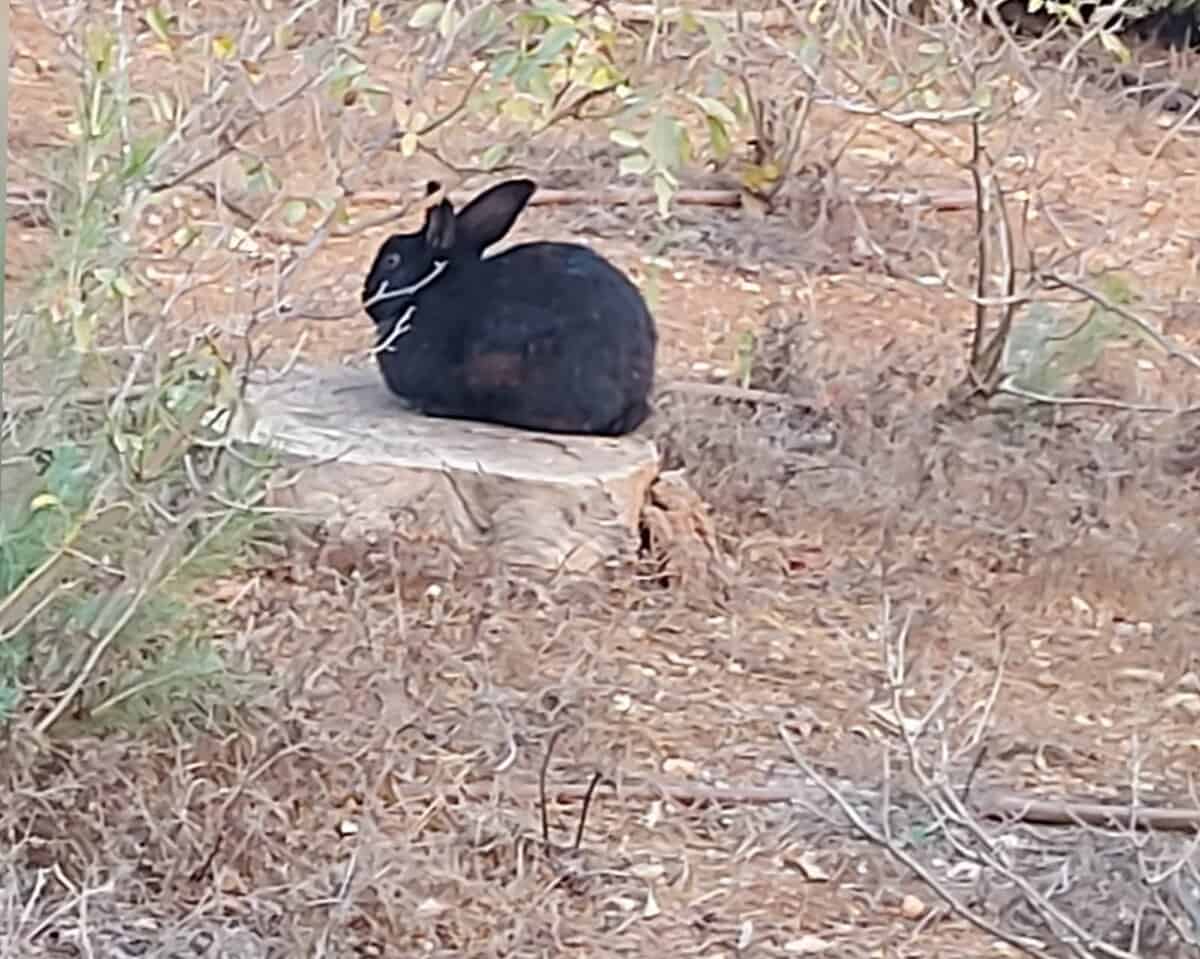
But the impact does not stop with people. Animals are also adapting to the new reality. Passersby increasingly report sightings of wildlife in public parks or open areas near neighborhoods. These encounters illustrate a shifting balance, where nature itself is being forced to adapt. At the same time, vegetation dries faster, and residents seek more shade and cooling solutions.
Alongside these changes, Jerusalem’s climate story is also an identity story: how a mountain city once known for its cool summers is slowly becoming an overheated urban space. This transformation highlights a crossroads for the capital – between further expansion and the need to secure livable conditions for its residents. From here, the question is clear: can Jerusalem turn this challenge into an opportunity for greener, more resilient growth