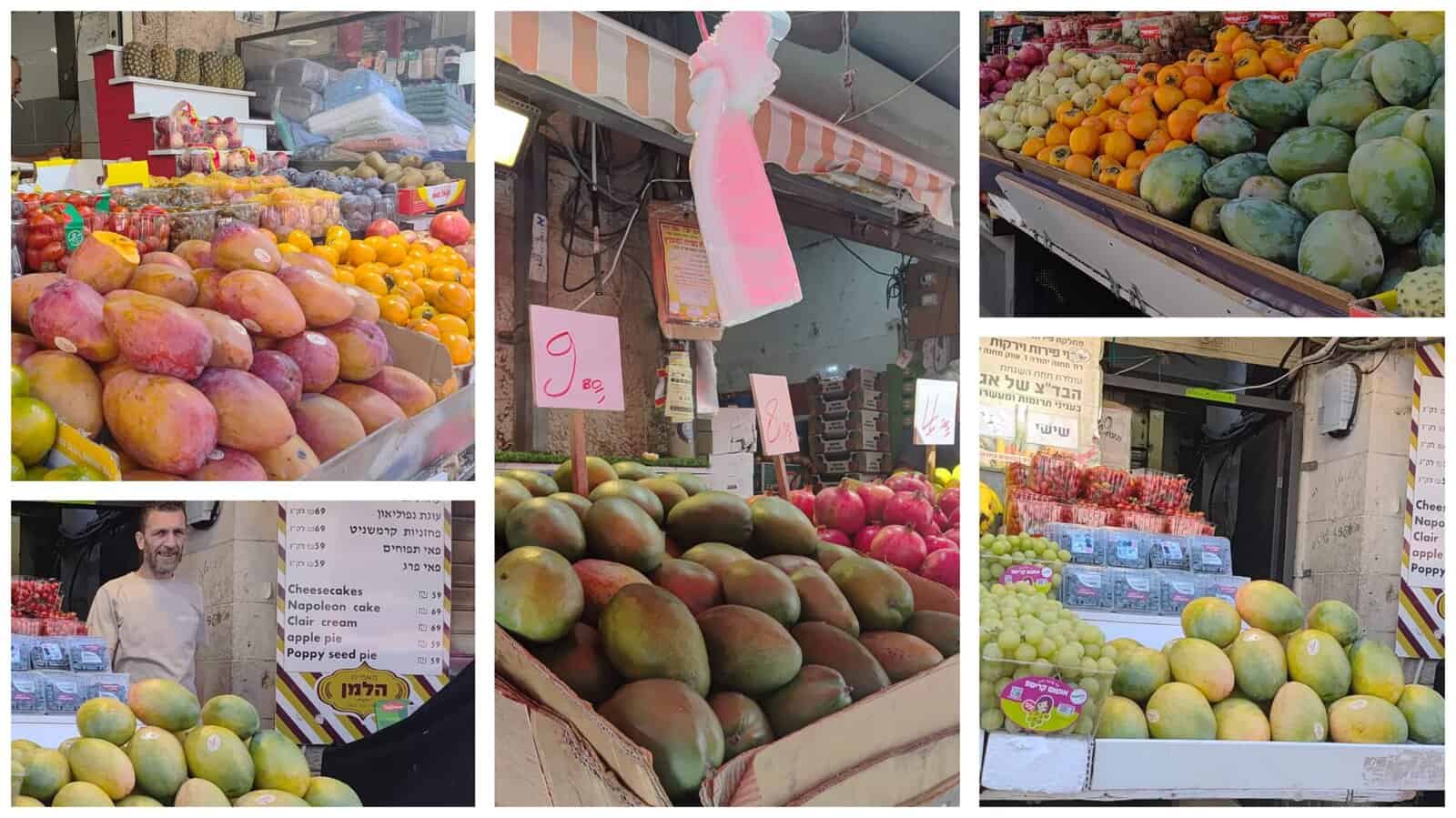
Buy a mango, enjoy its sweet and vibrant orange flavor, and maybe turn it into homemade amba. Try discussing that with a passerby in Jerusalem’s Mahane Yehuda Market, and you’ll likely get a smile.
The harvest season of late 2025 has brought ripe, golden mangoes to the city’s markets. For some Jerusalemites, it’s a fruit of pure joy; for others, it’s the unmistakable scent of summer – and of crowded buses.
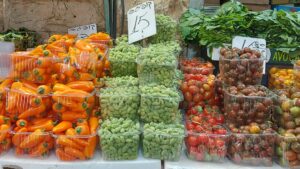
In Mahane Yehuda, between mint bundles, fresh za’atar and bright green avocados, autumn quietly arrives. Shoppers from all Jerusalem neighborhoods – and beyond – glance over the bananas and persimmons, pause at the grapes, and finally land on the mounds of mangoes. It’s as if the fruit is whispering to the city: India sends its regards.
In Brazil It’s Samba – in India and Jerusalem It’s Amba
Across Jerusalem, mangoes can be found in almost every neighborhood produce shop. In the weekly market of Baka, vendors sell it cubed and ready to eat; in Gilo, they offer the “Maya” variety with thick honey flavor; while in old Katamon, the trend is “Katamon Mango Amba.”
The mango, native to India and Southeast Asia, arrived in Israel in the 1960s and gradually adapted to the local climate. It loves warmth and precise irrigation. Farmers in the Jordan Valley, the western Negev and around the Kinneret know that for the first few years the tree only grows – and only after five or six seasons begins to bear fruit generously.
At Mahane Yehuda, a woman fills a huge bag with mangoes. When asked if her family loves the fruit that much, she smiles: “It’s healthy, and the season will end soon, so I freeze them.”
Indeed, the mango is packed with vitamin C for winter, beta-carotene for vision, and enzymes that soothe digestion. “No flu shot needed – just eat mango,” mutters another buyer, snatching the ripest fruit off the pile.
In recent years, Jerusalem’s chefs have turned the fruit into juices, smoothies, and even cold soups. Yet the real story is, without doubt, the amba – that spicy-sweet condiment that divides opinions.
Jerusalem shops display the orange Indian paste next to jars of garlic spread, olives, and schug. A jar of amba costs about 15–17 shekels, while fresh mangoes go for around 10. Homemade versions are simple to make: ripe mango, citric acid, a hint of ginger, and a touch of turmeric. Or you can go sweet – a jam of “mango, banana and melon, honey and cinnamon,” as the song goes.