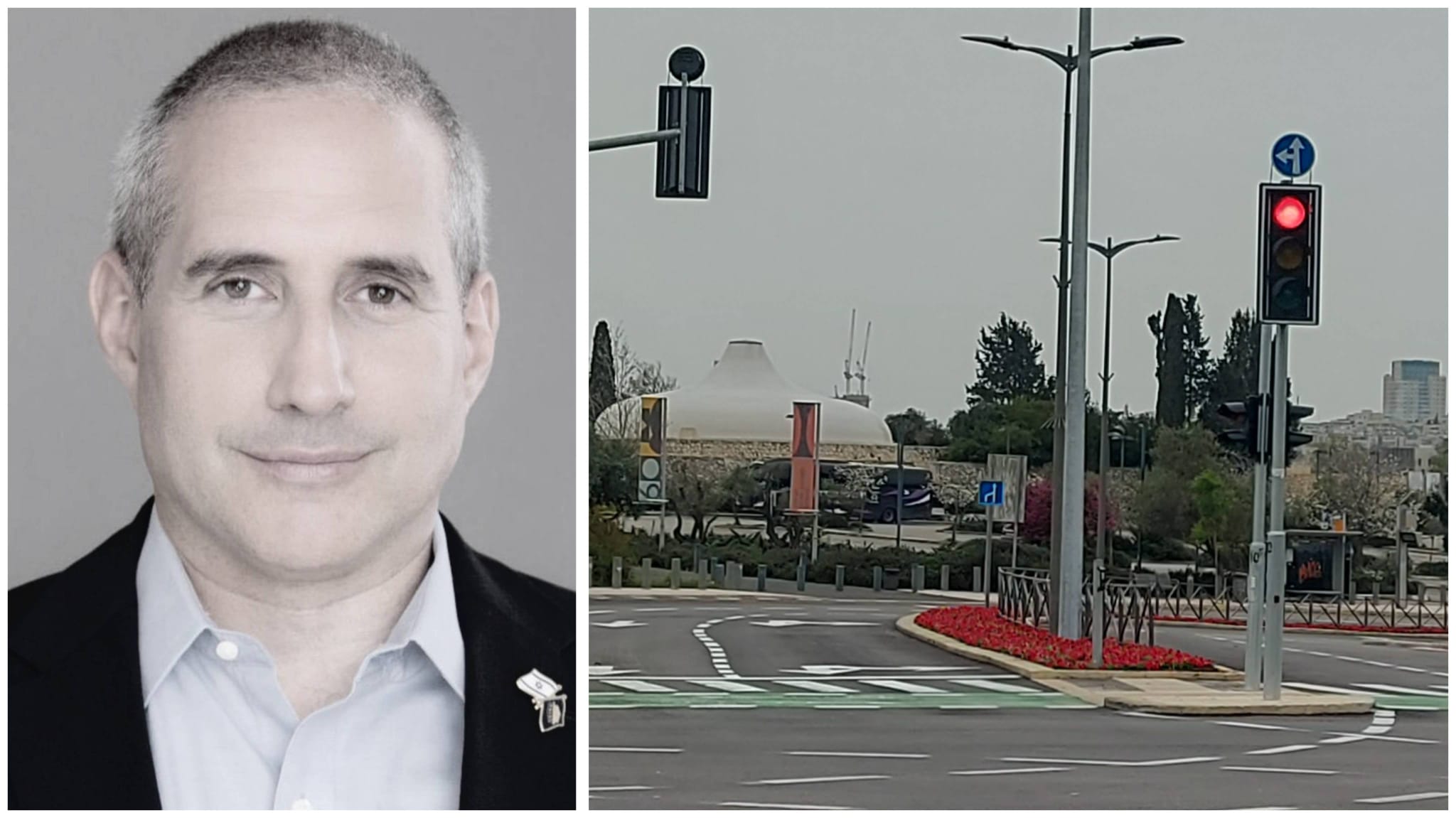
The struggle over Jerusalem’s identity as Israel’s knowledge capital is now unfolding not only in the halls of the Knesset, but across university campuses throughout the city. At the center of the debate stands MK Hanoch Milwidsky (Likud), a vocal advocate for challenging the long-standing status quo around core curriculum studies. This is not merely a political argument – it cuts to the heart of Jerusalem’s economic and social future, raising a fundamental tension between community autonomy in education and the very real risk of eroding the city’s academic standing.
Are core studies in Jerusalem a cultural imposition or an economic necessity?
For supporters of MK Milwidsky, the fight over core curriculum is first and foremost a struggle for democracy and respect for distinct ways of life. This perspective argues that imposing external educational standards on conservative communities will only deepen divisions and drive further isolation. According to this view, Jerusalem, as a pluralistic city, must allow multiple educational paths, even if they do not include the traditional Western toolkit of advanced mathematics and English. Proponents claim that integration into the workforce can still be achieved through creative alternatives without compromising cultural identity.
Yet the reality on the ground appears far more complex. Critics warn that abandoning core subjects effectively sentences future generations to poverty and marginalization. They see Milwidsky’s initiatives as a political trade-off – short-term quiet at the cost of long-term national resilience. For the average young resident of Jerusalem, the absence of core education can mean a near-total barrier to higher education and the high-tech sector, leaving many behind in an increasingly competitive world.
Are Jerusalem’s academic institutions being forced to lower standards?
While politicians debate, academic institutions in Jerusalem are already feeling the pressure. The Hebrew University and leading colleges in the city were built on uncompromising excellence, yet now find themselves struggling to maintain their reputation. As fewer students arrive with adequate preparation, institutions face a dilemma: lower admission standards or invest heavily in preparatory programs designed to bridge educational gaps that begin as early as elementary school.
This erosion of prestige goes beyond local pride. When an academic institution is perceived as lowering its standards under external pressures, it risks losing its appeal to international researchers and top-tier students. Jerusalem could shift from a city that exports knowledge and innovation to one increasingly focused on educational damage control. Once at the forefront of Israeli science, the city’s academic sector now finds itself on the defensive against social trends that prioritize sectoral identity over universal standards.
How do education gaps shape Jerusalem’s job market?
The theoretical debate becomes tangible when examining Jerusalem’s economy. While lawmakers argue over budgets, the city’s employment hubs – from Har Hotzvim to high-tech zones in Malha and Givat Shaul – operate under a different reality. Global tech companies are searching for talent capable of integrating into international systems, yet weak educational foundations create an invisible barrier.
By promoting a model that places less emphasis on core subjects, MK Milwidsky directly impacts the ability of young Jerusalem residents to fill key roles within their own city. The result is a paradox: Jerusalem invests billions in infrastructure and modern employment centers, yet many high-quality positions are filled by workers commuting from central Israel via the high-speed rail, simply because the local educational gap is too wide. The short physical distance between the Knesset and Har Hotzvim is becoming a growing economic divide.
Where is Jerusalem heading – balance or fragmentation?
The central question remains: how will Jerusalem define itself in the coming years? Can it find a formula that allows diverse communities to preserve their identity without losing access to the modern economy, or will it continue down a path of fragmentation that weakens its shared institutions?
MK Milwidsky and the city’s leadership will ultimately have to decide whether today’s political gains are worth tomorrow’s cost in human capital and international standing. Jerusalem’s strength has always come from its ability to hold extremes together, but without a shared educational backbone, those extremes may begin to drift apart. The city’s future as a dynamic and relevant global center depends on its ability to adapt – preserving tradition without slipping into economic irrelevance.