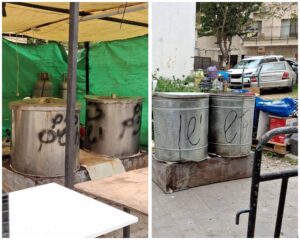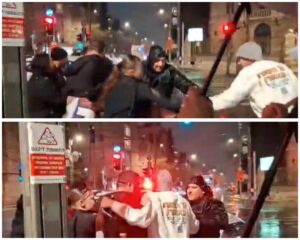
In most capital cities, it would lead the news. In Jerusalem, it’s already part of the weekly routine: ultra-Orthodox protests against the military draft law, blocked roads, burning garbage bins, injured civilians, and violent confrontations with police
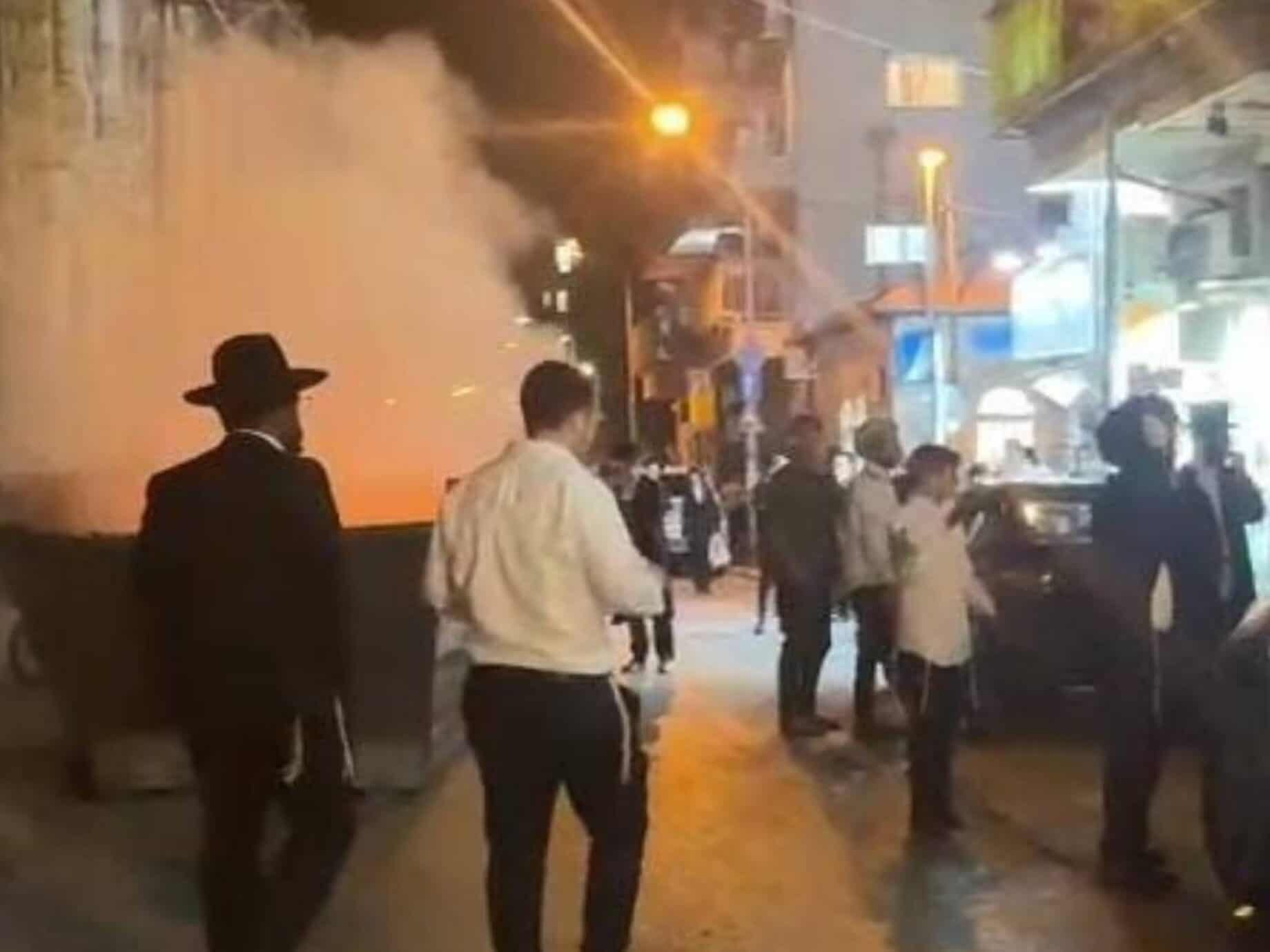
This week’s events on Yehezkel Street followed the same script. A demonstration escalated into a riot, disrupting traffic and public transportation in the heart of the city. Footage from the scene shows heavy smoke, projectiles thrown at police, and chaos just steps away from schools, hospitals and residential areas
Far from being a one-off, such scenes have become disturbingly regular. Public tolerance grows, enforcement softens, and political silence deepens
A July report by the LSEC Institute in Belgium identified central Jerusalem as one of the most vulnerable urban zones for repeated civic unrest tied to religion and national identity. “When violence becomes predictable,” the authors noted, “it stops being treated as a crisis
Another predictable riot in Jerusalem’s center
According to police, the incident occurred earlier this week in the afternoon. Hundreds of ultra-Orthodox protesters gathered on Yehezkel Street to demonstrate against the mandatory military draft. The protest quickly devolved into a full-scale riot
Protesters blocked the road, set garbage bins on fire, hurled stones and objects at police forces, and damaged a police vehicle and a public bus. One officer and a bystander sustained light injuries. Medical teams were deployed under police protection
After initial dispersal calls were ignored, Border Police and Jerusalem District forces used riot control measures, including stun grenades and water cannons. The area remained under police surveillance well into the night to prevent renewed flare-ups
“We will act firmly against any form of disorder,” police said in a statement, “especially when civilians or officers are harmed