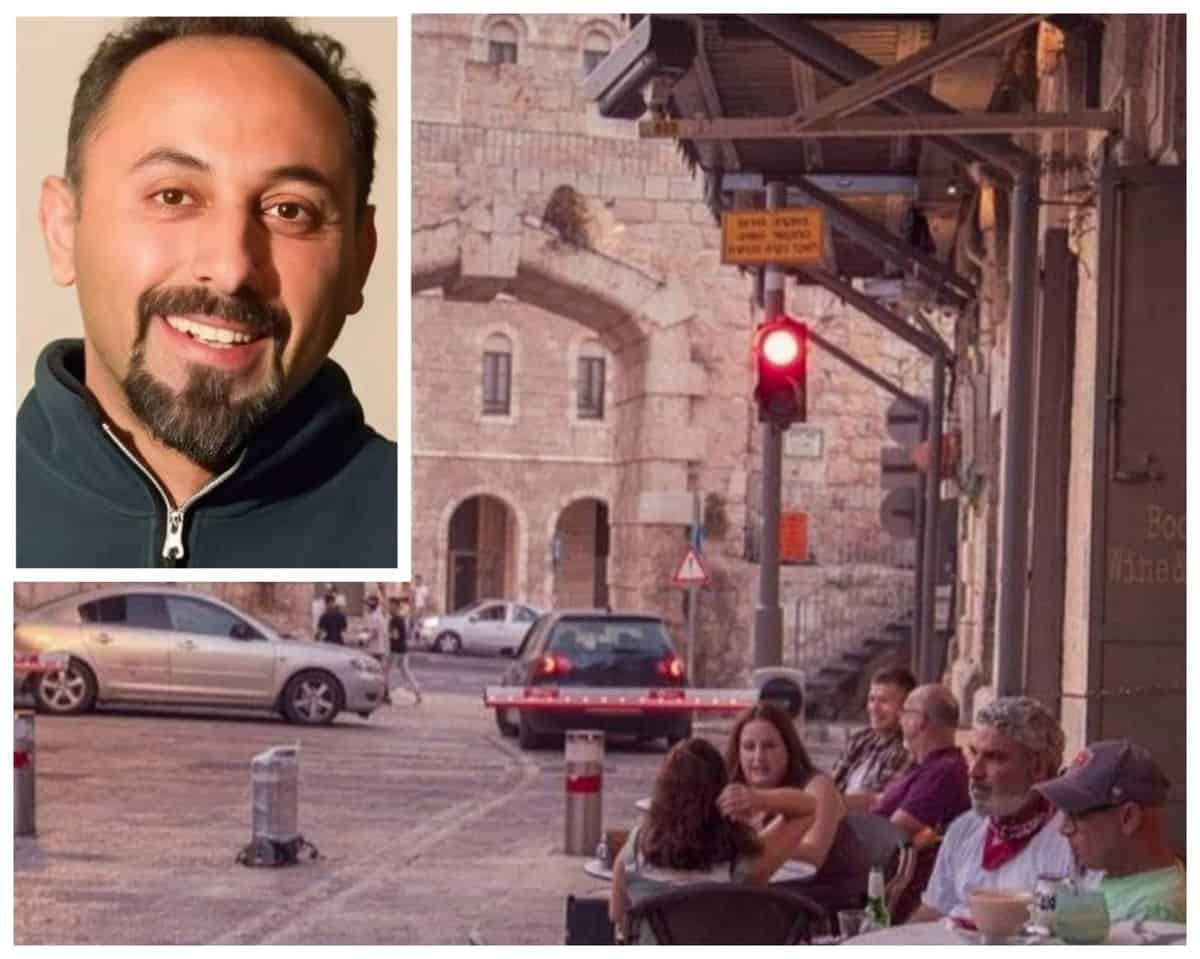
The narrow alleys of Jerusalem’s Old City witnessed unusual scenes this week when Israeli police raided “The Gateway,” a café and bookstore located inside the New Gate. The raid, which led to the detention of Professor Anton Sabella, has sparked renewed controversy over freedom of expression, Palestinian identity, and the limits of Israeli law
The raid and detention in the Old City
According to Sabella’s lawyer, Nasser Odeh, plainclothes officers had already entered the store the day before, browsing and photographing displayed titles. During Wednesday’s raid, police confiscated five books and detained Sabella for questioning at the Kishleh police station. He was later released under restrictive conditions, including a two-week ban from his own shop. Odeh condemned the raid as “a clear effort to crush intellectual life in the city
BDS books and the legacy of the PFLP
Among the confiscated titles was Boycott, Divestment, Sanctions (BDS): The Global Struggle for Palestinian Rights by Omar Barghouti, one of the founders of the BDS movement. Barghouti has long argued against the legitimacy of a Jewish state in any part of Palestine
Photos from the shop’s Facebook page also revealed the sale of controversial works, including an English translation of Children of Palestine by Ghassan Kanafani, the former spokesperson of the Popular Front for the Liberation of Palestine (PFLP). Kanafani was assassinated by Israel in 1972 due to his involvement in the Lod Airport massacre, in which 26 people were killed
(Jerusalem ice cream factory worker from East spat inside)
Palestinian bookstores under police scrutiny
Other titles sold at the store included Where the Line Is Drawn by Raja Shehadeh, founder of the human rights organization Al-Haq. In 2021, Israel’s Defense Ministry designated Al-Haq and five other NGOs as terrorist organizations, citing ties to the PFLP.
Sabella’s “Gateway” is the third Palestinian bookstore in Jerusalem to face a police raid in the past year, highlighting the growing tension between Israeli security measures and Palestinian cultural spaces