In past speeches by Hassan Nasrallah and in publications by Hezbollah propaganda units, the war against Israel was not presented only as a military confrontation or a border dispute. It was often framed as part of an ancient religious narrative, one that attempts to cast the modern conflict as a continuation of stories found in the Quran. Within this narrative, Jerusalem frequently appeared as a symbolic destination and ideological focal point.
One phrase that repeatedly surfaced in this propaganda is “eaten chaff.” Its origin lies in a short verse from Surah Al-Fil in the Quran, where it describes the fate of the enemies in the ancient story.
What is Surah Al-Fil that appears in propaganda related to Jerusalem?
Surah Al-Fil, “The Chapter of the Elephant,” tells the story of Abraha, the Christian governor of Yemen, who according to Islamic tradition marched with a large army that included elephants in order to destroy the Kaaba in Mecca.
According to the Quranic narrative, God sent flocks of birds – known as Tayran Ababil – that dropped stones of baked clay on the army.
The final verse describes the outcome with the phrase: “And He made them like eaten chaff.”
The Arabic word refers to the remains of straw or stalks left in the field after harvest, or to plant material that has been chewed and crushed until it loses its form. Symbolically, the message is clear: a powerful army was reduced to worthless remains.
How did Hezbollah use this story in modern propaganda?
Hezbollah used this imagery to create a symbolic parallel between the ancient religious story and the modern conflict with Israel. In the organization’s messaging, Israel was sometimes depicted as the “elephant,” a technologically superior military force.
Meanwhile, Hezbollah fighters or weapons were portrayed as the modern equivalent of the birds in the story.
The connection is not only symbolic. One of the well-known drone models used by Iran and Hezbollah is called “Ababil,” directly referencing the birds mentioned in Surah Al-Fil.
The metaphor suggests that just as small birds defeated massive elephants in the religious narrative, a smaller force could defeat a stronger military power.
Why does Jerusalem appear at the center of this narrative?
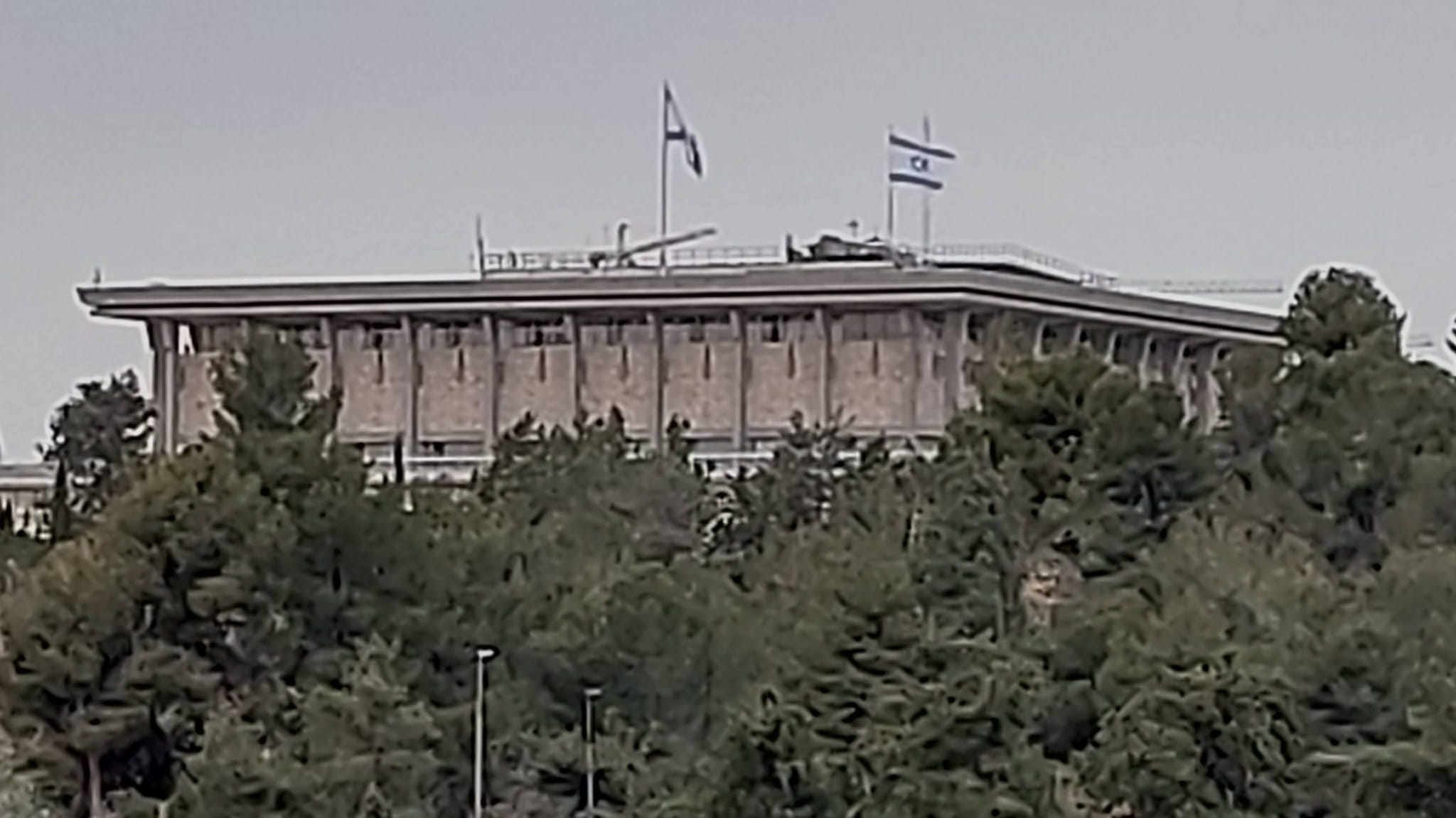
In Hezbollah propaganda, Jerusalem is not portrayed merely as a city but as a religious and symbolic objective. The organization frequently depicts it as the ultimate destination of the struggle.
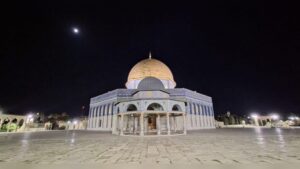
In propaganda posters and videos, images of the Dome of the Rock are often combined with swarms of drones or missiles, alongside verses from Surah Al-Fil. The message presented to supporters is that the struggle is part of a broader religious story.
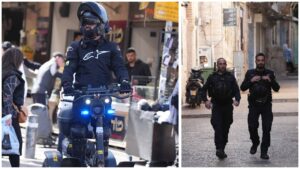
Meanwhile, in Jerusalem itself, the skies still hold more than symbols of conflict. Real birds continue to fly above the city’s hills and historic neighborhoods – the great tit, the hoopoe, the common myna and the house sparrow – reminders that the city remains a living place beyond the narratives of war.
Does the phrase “eaten chaff” really explain the war around Jerusalem?
The connection between Surah Al-Fil and modern military attacks is largely an attempt to frame a political and military conflict in religious terms.
For Hezbollah, this narrative provided a way to link faith with contemporary warfare. But for many people in Jerusalem, such symbolism remains part of propaganda rather than an explanation of the complex reality on the ground.