There is hardly a place in Jerusalem today that can truly be called safe. This past week made the reality starkly clear: a stabbing inside a pastoral hotel in the kibbutz of Tzuba, followed by a deadly shooting at the Ramot junction. Each incident seemed different, yet together they expose a single truth – the city and its surroundings have become a terrain where daily life is constantly under threat.
Tzuba – the hotel where calm collapsed
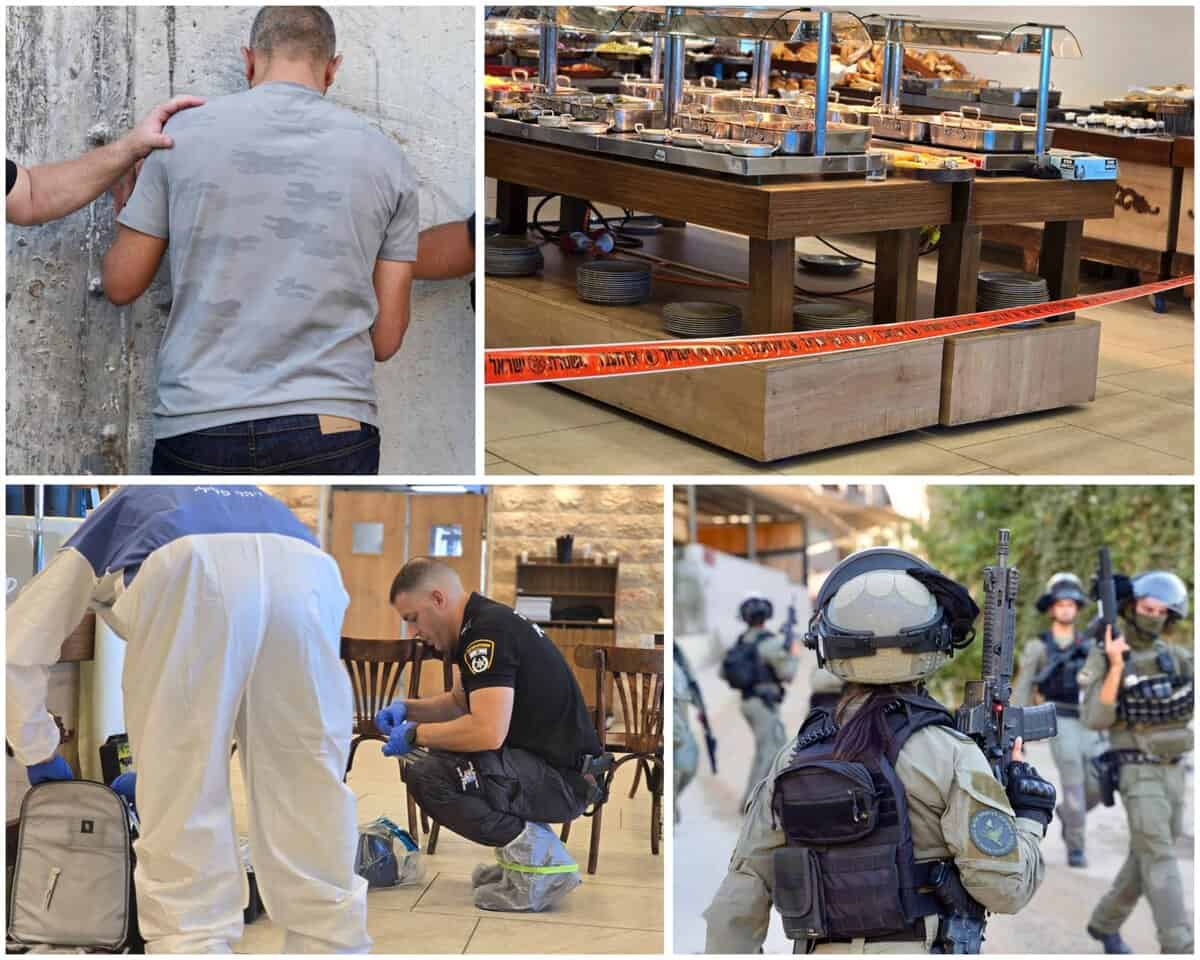
The hotel in Kibbutz Tzuba, usually a symbol of leisure and escape, turned in an instant into a scene of panic and blood. A worker from the kitchen attacked guests with a knife, striking without warning. A police officer staying at the hotel rushed to intervene. “I realized something unusual was happening, I identified the attacker and overpowered him,” he later recalled. Choosing not to fire in a crowded space, he wrestled the assailant to the ground with the help of guests. The calm of Tzuba gave way to cries of the wounded, transforming a retreat into yet another reminder that no corner near Jerusalem is untouched by violence.
Ramot – the junction that turned into a battlefield
Days earlier, at the Ramot junction, gunmen opened fire on civilians waiting for a bus. Six were killed, many more injured. A junction that serves as one of the city’s major arteries became a battlefield in seconds. For Jerusalemites, it was more than a tragedy – it was a signal that even the most routine spaces of the city, the bus stop and the daily commute, are no longer free from the shadow of terror.
Shuafat – the raid that spread the violence
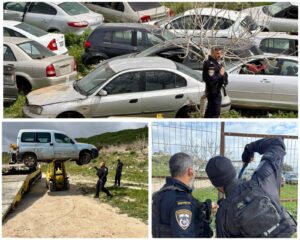
Within hours of the Tzuba attack, Border Police, Shin Bet, and special units stormed the attacker’s home in the Shuafat refugee camp. Relatives were arrested, technological materials seized, and another suspect was shot while trying to escape. The raid set off further clashes, with stones thrown and even a pipe bomb hurled at the forces. Once again, a single attack cascaded into a wider cycle of confrontation, stretching the city’s sense of order to breaking point.
(Jerusalem-Nablus axis: undercover forces arrest suspect)
Jerusalem – a city gripped by unending fear
Placed together, the events in Tzuba, Ramot, and Shuafat reveal a grim portrait of Jerusalem. A kibbutz meant for peace and quiet, a junction meant for transit, a refugee camp meant for residence – all now sites of violence. For residents, the city feels less like a capital and more like an experiment in survival, as if daily life here belongs to another planet where normal human routines cannot endure.