Jerusalem on the eve of Passover 2026 does not look like a typical holiday scene. The streets are filling up, shops are preparing, homes are being cleaned, yet a clear tension hangs in the air. Mass prayers that were canceled during Ramadan on the Temple Mount, and the Holy Fire ceremony at the Church of the Holy Sepulchre expected to take place without a crowd, have sharpened the sense of a city entering the holiday with unusual caution, amid the ongoing war with Iran and the missile alerts heard across Jerusalem.
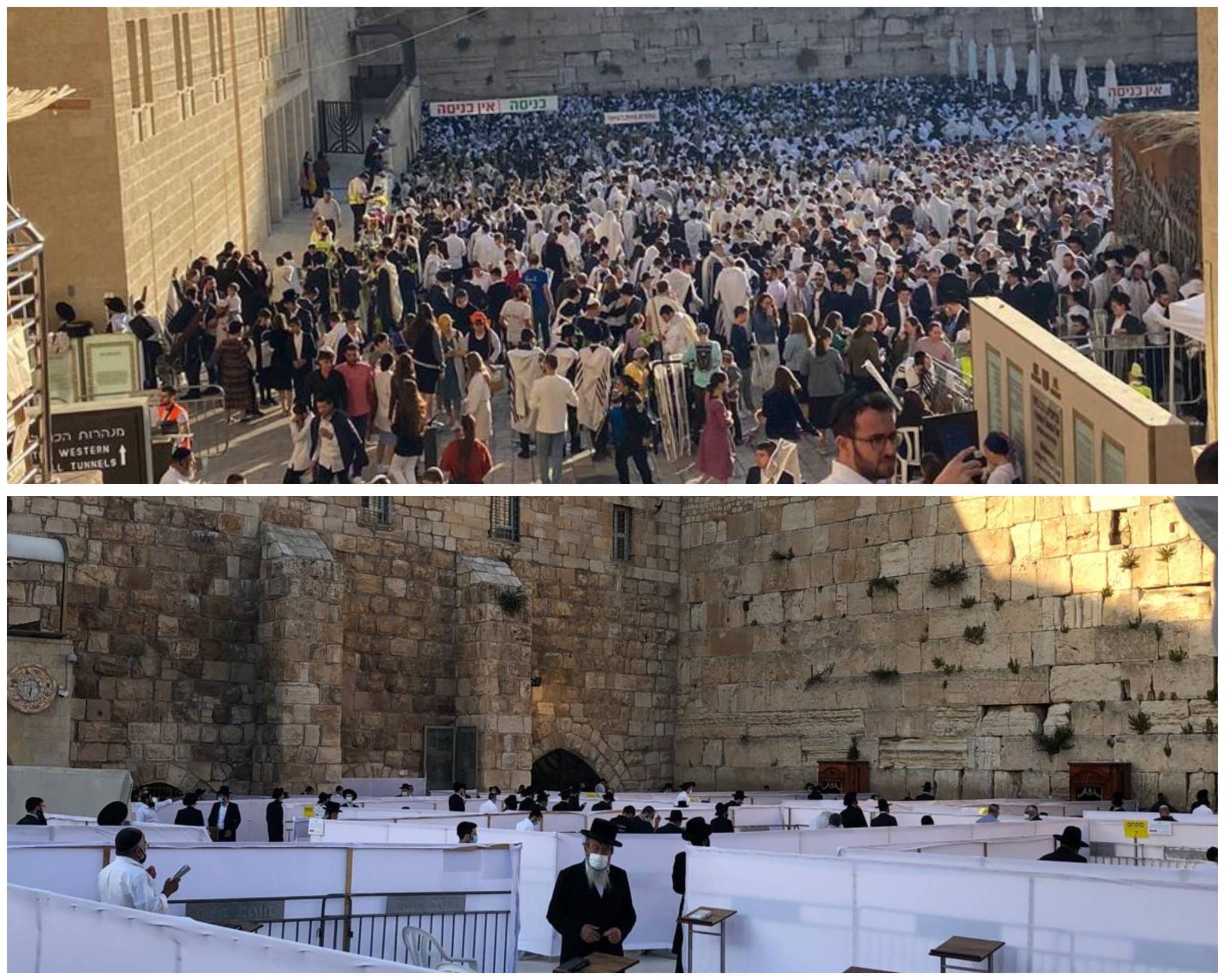
The Western Wall, which during Passover becomes a focal point for thousands of worshippers attending the Priestly Blessing, now stands under a question mark: not whether people want to come, but whether reality will allow it. Not whether tradition is strong, but how it will look when the entire space operates under alert, caution and fear of falling debris, as seen just days ago in the Jewish Quarter.
Will the Priestly Blessing be held in a reduced format due to security concerns?
The Priestly Blessing at the Western Wall is far more than a festive prayer. It is one of the most significant and moving public moments in the Jewish calendar, in Jerusalem and worldwide. Hundreds of priests gather to bless the people of Israel and the many who attend. A moment centered around ancient words that still echo daily:
“May the Lord bless you and keep you; may the Lord make His face shine upon you and be gracious to you; may the Lord lift up His face to you and grant you peace.”
This year, as security conditions limit large gatherings, these words sound not only as a holiday blessing, but also as a direct plea for protection, grace and peace.
Here lies the core tension. The Priestly Blessing relies on numbers, on a large public gathering, on the power of the crowd that gives the moment its unique force. Yet in times of security tension, any large gathering becomes complex. The desire to preserve freedom of worship and continuity of tradition clashes with security demands, heightened preparedness, and the understanding that such a sensitive and symbolic site cannot operate as if missiles are not overhead.
Instead of the familiar image of a packed plaza, this year may bring a restrained, quieter space. Within that absence, each priest who arrives may carry a deeper symbolic weight – a figure sustaining an ancient tradition while the many are missing.
Those few who come, if that is indeed the case, may sharpen the emotional power of the moment. The quiet and the emptiness may turn the ceremony into something more intimate and reflective. Not all strength is measured by size. The reduced scale may elevate the prayer, giving it a more distilled, sacred tone. The absence of the many, in a nation at war, may transform the Priestly Blessing from a festive moment into a rare expression of collective endurance.