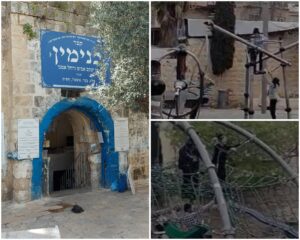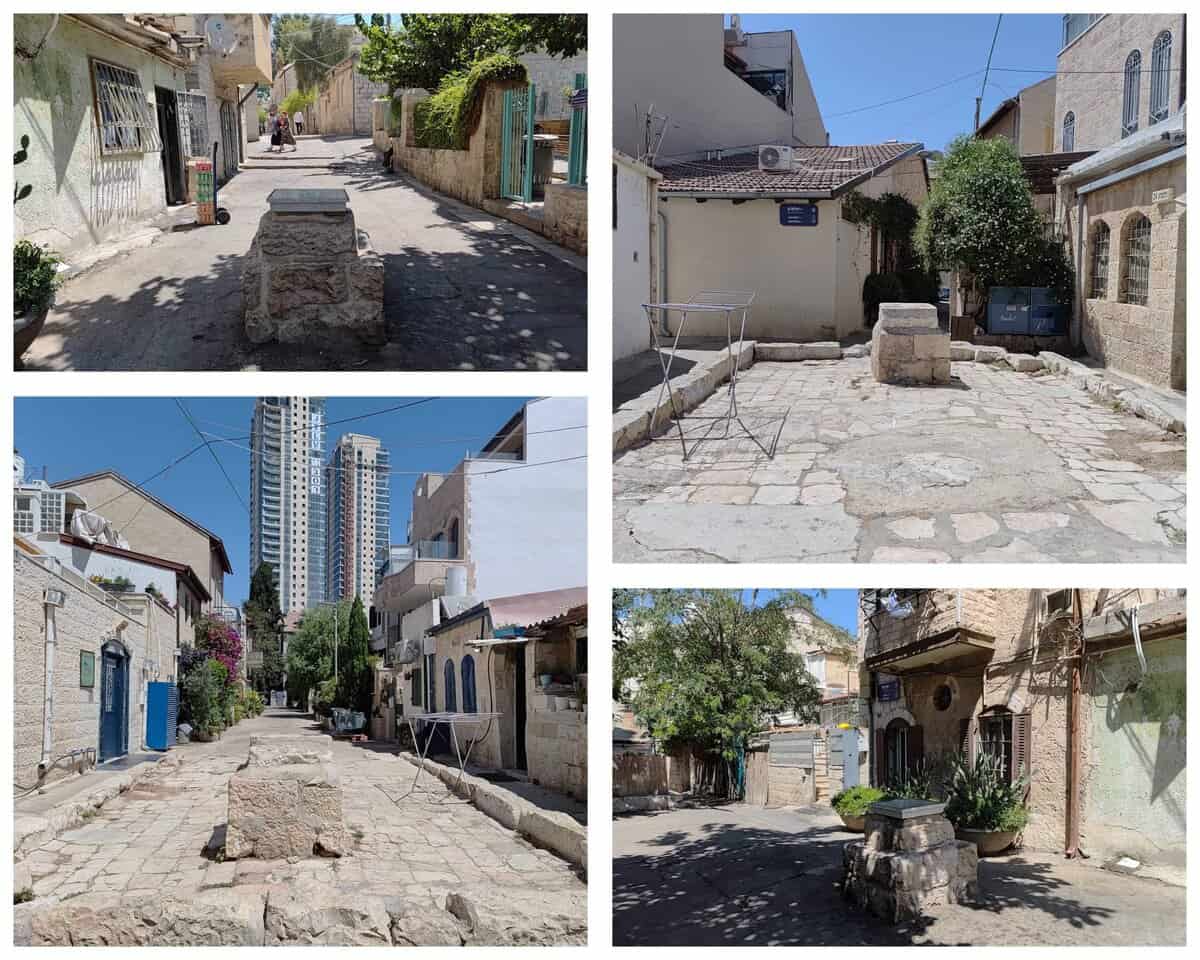
Ancient cisterns that survived in Jerusalem’s old neighborhoods are preparing these days for Tashlich, a Jewish ritual held on Rosh Hashanah. In neighborhoods such as Ohel Moshe, Zikhron Tuvia and Mazkeret Moshe, the old water pits stand silently, reminders of a time when residents once drew their daily water from them. Once a year, on the Jewish New Year, neighbors crowded around the pit to perform Tashlich – a ritual symbolizing the casting away of sins into the depths
Ancient cisterns in Jerusalem’s neighborhoods
The Hebrew year 5786 is approaching, and together with the holiday prayers, festive blessings and the sounding of the shofar, comes the tradition of Tashlich. In coastal cities, the ritual is held by rivers or seas. In Jerusalem, however, it is performed by the remaining local cisterns
I remember years ago in Jerusalem, we children would run in our new holiday clothes, waiting for the pit to open. We imagined Joseph from the biblical story still inside, or perhaps snakes and scorpions. When the adults arrived to recite the prayers, the pit that once provided drinking water suddenly became a mysterious and even frightening place – the site where sins would be symbolically cast away
The meaning of Tashlich – casting away sins
“Tashlich” has been practiced since the 16th century, influenced by Ashkenazi rabbis, and is based on the verse “You will cast all their sins into the depths of the sea” (Micah 7:19). It is a powerful ritual of purification, a way of starting the year free of the burdens of the past. In modern secular communities, creative versions of Tashlich appear: people write what weighs on their conscience on kites or helium balloons, releasing them into the sky as a symbolic letting go
For decades in Jerusalem, large gatherings took place near a giant pool at the edge of the Mamilla neighborhood. Residents came together there to symbolically rid themselves of sins and begin anew – much like those who send kites into the heavens today
(Pomegranates in Mahane Yehuda Market: Jerusalem’s Blessing)
Agripas Street and Mahane Yehuda keep the tradition alive
Today, the few cisterns that survived in Jerusalem’s neighborhoods are sealed and closed, but Tashlich ceremonies are still held around them. Agripas Street, near the Mahane Yehuda market, hides behind it layers of history – cisterns, rituals, and traditions that remain alive despite the city’s lack of a sea
Perhaps this year’s Tashlich will help us cast away not only our personal sins, but also the burdens we carry as a society – to begin anew, and differently