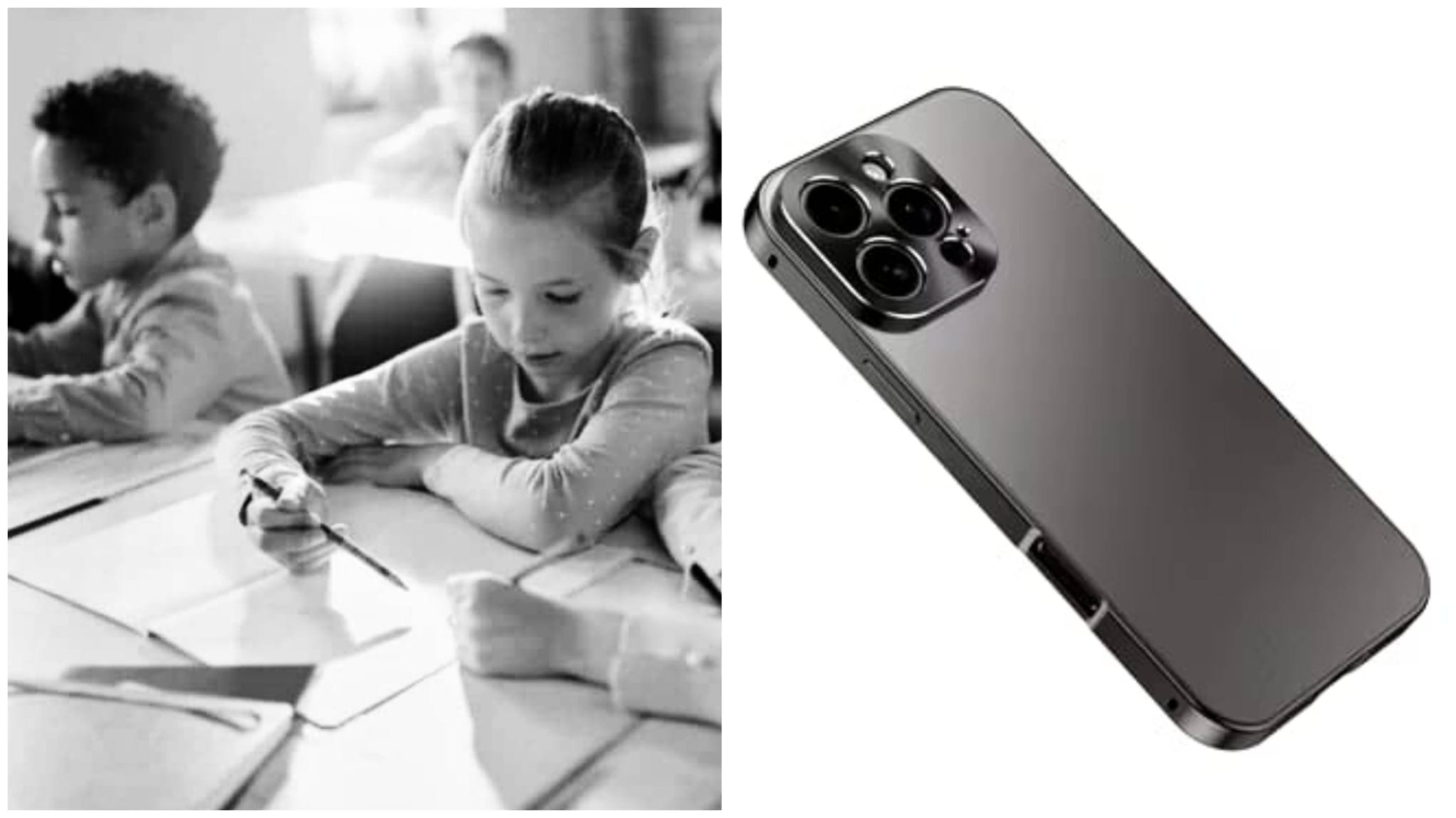
Starting January 1, 2026, Jerusalem will officially join the dubious club of cities choosing to leave their children behind. The dramatic decision to completely ban the use of mobile phones within school grounds in the city, including during breaks and after the school day ends, is not just a pedagogical error but a statement of intent from the education system – fear of the future and detachment from reality. The blanket ban on cell phone use in schools not only fails to serve the goal of improving concentration, but it completely misses the potential of technological tools in education and reinforces an archaic perception of the role of screens in our lives.
Does preventing mobile phone use in schools block future skills?
Instead of educating students for informed and responsible use of the mobile device – currently the most important tool for communication, learning, and research – senior officials in the Ministry of Education have chosen the easy and cowardly path: complete disconnection. While leading educational institutions worldwide embrace digital learning and view mobile devices as an essential work tool for developing 21st-century skills, Jerusalem chose a “head in the sand” policy. This physical disconnection will only lead students to view the devices as “forbidden fruit” instead of an inexhaustible source of knowledge and a necessary social network.
Is it scientifically proven that screen use in schools is harmful?
This sweeping decision ignores a growing body of research in the field of digital pedagogy. For example, many studies by global organizations such as the OECD show that controlled and guided exposure to technology, including mobile devices, improves essential cognitive skills like problem-solving, critical thinking, and digital literacy – which is a fundamental skill for the future job market. The data proves that in schools where technology is integrated positively and integrally, students develop more independent and effective learning abilities. A blanket ban on cell phone use in schools not only prevents access to information but also hinders the development of the critical skill: the distinction between productive use and distracting use. The Ministry of Education’s decision thus paves the way for widening the digital divide.
Is the Ministry of Education replacing tech education with complete disconnection?
If there is concern about distractions, the solution is not a blanket disconnection, but rather education. Under the outdated decision set to take effect on January 1, 2026, schools are missing the opportunity to teach boundaries, self-restraint, and responsible screen use – critical life skills for adulthood. Instead of banning, devices should be integrated as an integral part of learning, according to the pedagogical needs of the classroom. The new policy is a failure of thought that pushes Jerusalem students into a state of irrelevance in a progressive world. This is a decision made by people of yesterday, and their children will pay the price.