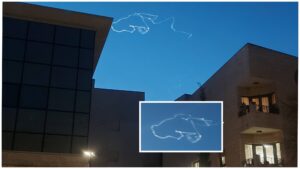
The hostage protest has become a symbol of a deep social fracture in Israel. In Jerusalem, it has repeatedly gathered at Paris Square near the Prime Minister’s residence, where voices of grief and demands for justice echo alongside questions about the limits of obedience to the IDF. The video documentation is not viewed by participants as a passing event, but as a sign of a broader eruption shaping Israel’s public and democratic discourse
The hostage protest in Jerusalem
The story begins with human emotion – families and supporters expressing feelings of loss and frustration. According to their claims, unofficial reports that only about ten hostages remain alive in Gaza fuel the belief that the state has failed in its duty. From their perspective, continued fighting in Gaza may amount to a death sentence for those who remain
In this way, the protest has moved beyond a single event – raising essential questions about state responsibility toward its citizens and the balance between warfare and basic human morality
Clashes with police in Jerusalem
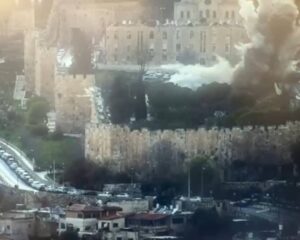
During one of the demonstrations in Jerusalem, tensions between protesters and police escalated sharply. Reports from the scene described arrests, the use of force, and even the torching of a vehicle. For participants, these images were not a one-time incident but part of an ongoing struggle between civic protest and governmental authority
This gave the protest a wider meaning – turning Jerusalem into a stage where freedom of expression, citizen–state relations, and democracy itself are constantly tested
The draft question and public conscience
Alongside the calls to bring back the hostages, protesters also voiced demands to storm or surround the Prime Minister’s residence, as well as calls for draft refusal. In the eyes of some, serving in the IDF at this moment is not only about fighting Hamas but also about directly endangering the hostages’ lives. Even those who see themselves as patriotic and loyal to the state argued that being called to reserve duty for the conquest of Gaza constitutes a blatantly illegal order – one that would lead, in their view, to the death of the last surviving hostages
This sharpened the belief that enlistment today is not merely a civic duty, but a profound moral dilemma. Thus, the Jerusalem protests intertwined not only with opposition to government policy but also with a broader debate over citizen–state relations and the moral responsibilities of the individual within society
(Half-Alive in Gaza: Jerusalem’s Rom Breslavski Forgotten)