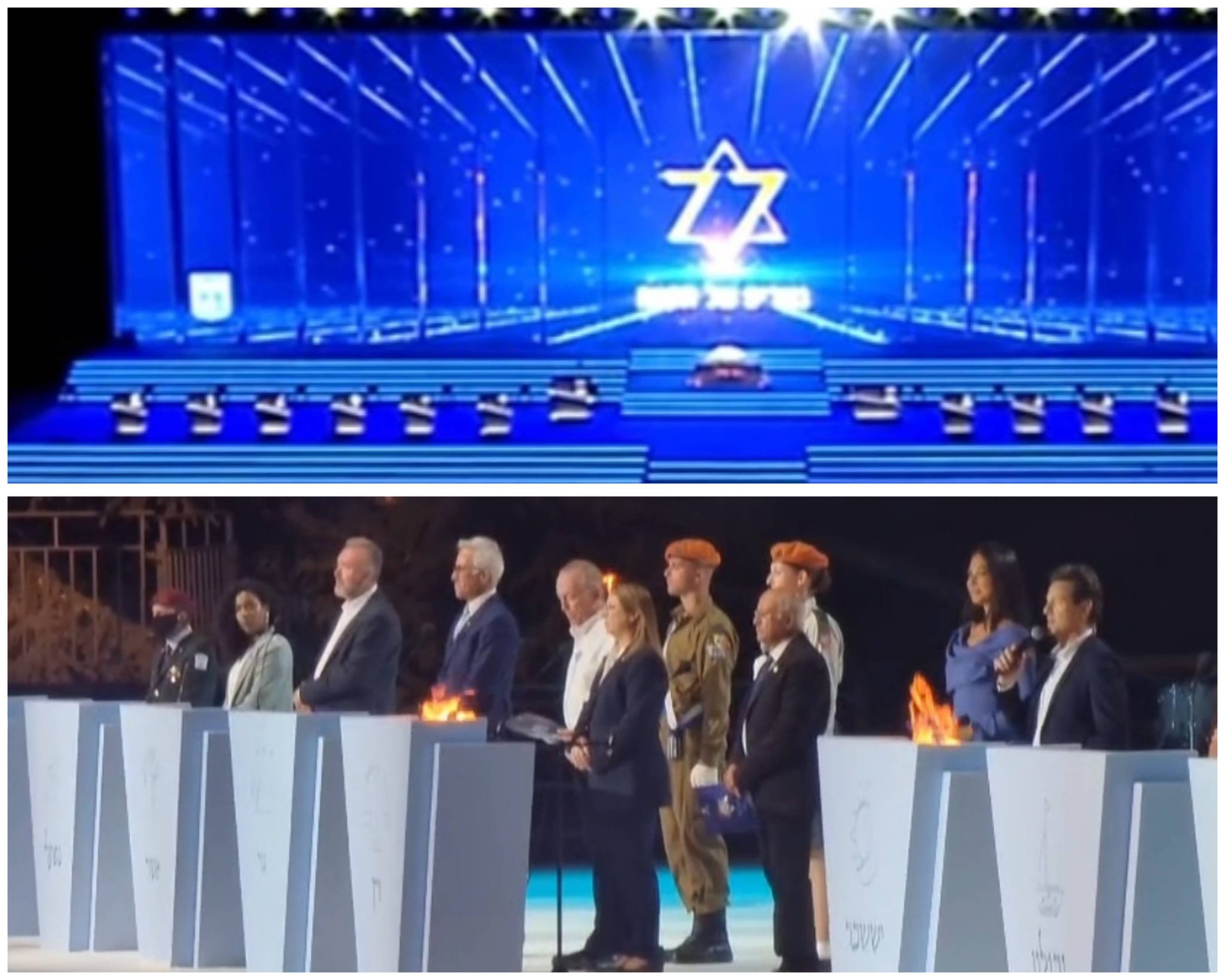
The torch-lighting ceremony at Mount Herzl in Jerusalem, held every year on the eve of Independence Day, was once seen as a rare moment of shared identity. In 2026, it looks increasingly like a carefully staged show – less about unity, more about power.
For decades, residents of Jerusalem neighborhoods like Beit Hakerem and Kiryat Yovel would step onto their balconies to watch the fireworks above the city, a quiet ritual of belonging. Today, that same spectacle feels tightly controlled, where the light is meant not just to celebrate, but to distract from the political loyalty now tied to holding a torch on that stage.
The death of the legendary drill sergeant David Rokni, who for years enforced the ceremony’s strict discipline in Jerusalem with almost religious precision, now marks more than the end of an era. It signals the collapse of the idea that such a national ritual can remain untouched while politics seeps into every detail.
Has the torch-lighting ceremony become a political tool?
In recent years, politics has moved to the center of this national broadcast. Speeches, tone and even the selection of torch lighters at Mount Herzl increasingly reflect ideological alignment. What was once broadly accepted as a list honoring social contribution has turned into a contested arena, with recent calls by right-wing activists to include the prime minister’s wife, Sara Netanyahu, highlighting how the ceremony now mirrors political divisions rather than bridging them.
Who gets to stand in the light – and who is left out – is no longer just recognition. It is seen by many as a signal of loyalty, a shift that creates discomfort even among those who once viewed Jerusalem as a symbol of shared consensus.
What do national symbols mean in a divided society?
The gap between memory and reality has rarely felt wider. What once appeared as a quiet moment of national agreement now risks becoming another flashpoint. The same stage in Jerusalem, the same flames, no longer represent a shared destiny, but expose a society split into rival narratives competing for control.
As the 2026 ceremony approaches, the question echoing over Jerusalem is no longer who will light the next torch, but whether the symbol itself can still unite – or whether it has become just another line of division.