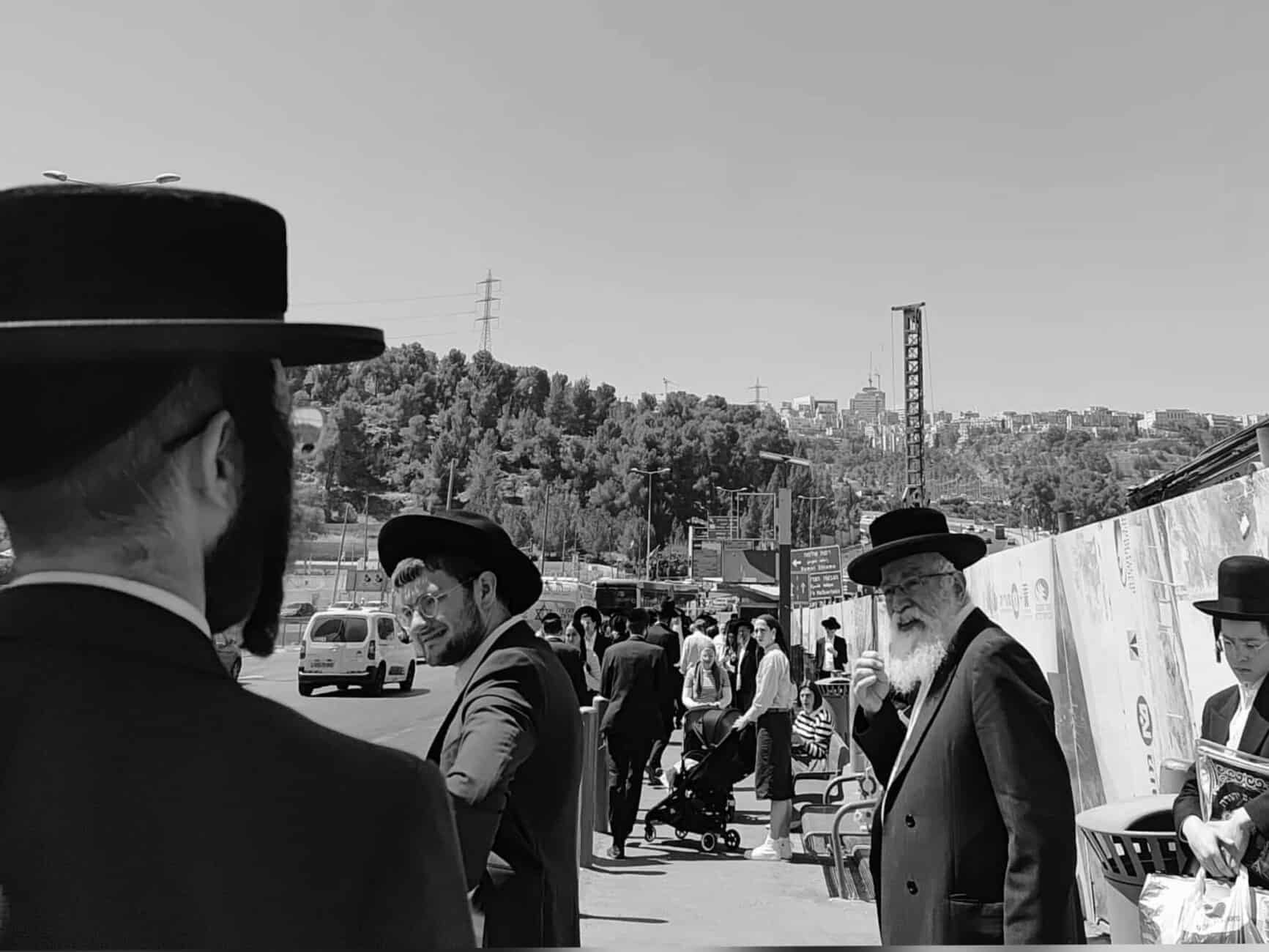
The bus stop at Bar-Ilan Street was more crowded than usual. Dozens of men in black hats, mothers with strollers, children sweating in the heat.
But the bus never came
Behind the delay lies a deeper reality: several Arab neighborhoods in East Jerusalem are under lockdown or severe movement restrictions due to the war with Iran
Many bus drivers from those areas cannot leave their homes – some due to security closures, others out of fear
The waiting turns to anger
“I waited nearly an hour and a half,” says Shlomo M., a resident of Mea Shearim
“At first you think it’s just a delay. Then another driver tells you: there are no replacements. The regular drivers are stuck at home. What kind of city is this?”
Similar scenes play out across Jerusalem. At one stop on line 74, thirty people stood waiting in the heat – no bus in sight
“I’m here with a baby in a stroller,” says Lea R. “They say they’re sending backup drivers, but it’s a lie. Every few minutes the app cancels another route. This war is breaking Jerusalem.”
Driving becomes impossible
In Jerusalem, a large percentage of public transport drivers live in East Jerusalem
Even in calmer times, they face delays at checkpoints and social tension. During wartime? Some say it’s not worth the risk
(A Piano in Jerusalem Waits: Alon Ohel Still Missing)
“I can’t drive through West Jerusalem now,” says a driver who asked to remain anonymous
“If people from my neighborhood see me behind the wheel, they’ll say I’m a traitor. My family begged me not to leave the house. Everyone’s scared.”
Transportation companies remain silent, but internal sources estimate that up to 30% of regular drivers from East Jerusalem haven’t shown up since the conflict escalated
When buses stop – the city stops
Public transit in Israel was already fragile. Now, it’s collapsing
The ones who suffer are the poor, the elderly, students, working mothers – those who have no other way to move around.
And in Jerusalem, a city now caught in a regional war, the breakdown of daily routines is becoming its own kind of frontline.
As one commuter put it:
“If the buses stop coming, is it still a city?”