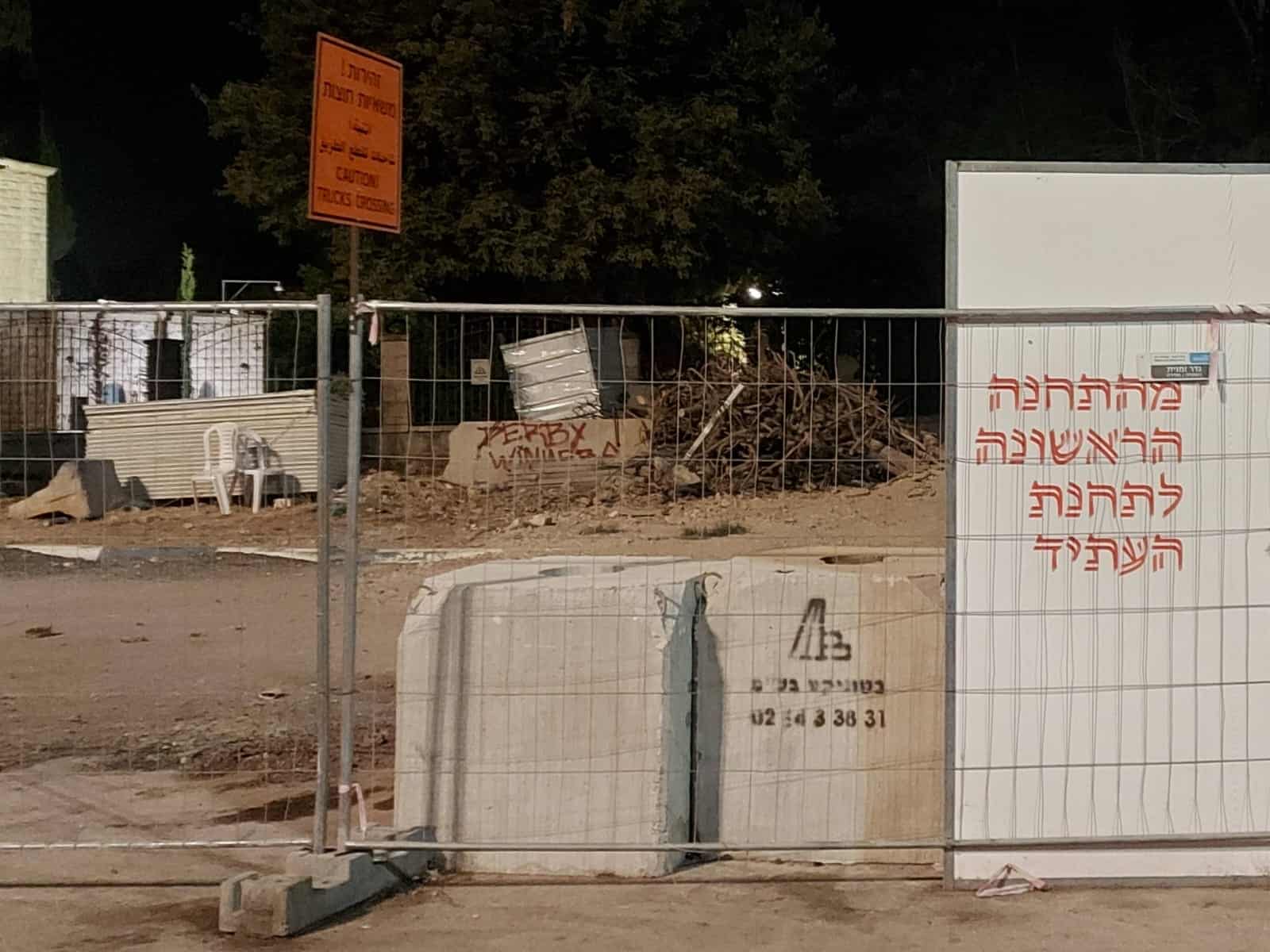
At night, while the city sleeps, the concrete keeps moving. Tractors dig, fences block sidewalks, and signs promise a better future – just like the one seen at Jerusalem’s First Station: From the First Station to the Station of the Future
But something about those words feels detached. Jerusalem doesn’t need a concrete vision – it needs a soul. And that soul, many residents say, is starting to crack
The First Station – and Possibly the Last
In the historic compound of the old Ottoman railway station – once a symbol of Jerusalem’s modern beginnings – a new transformation is underway. It’s commercial, branded, full of real estate plans and luxury restaurants
“This is no longer the First Station – it’s a station without a past,” say some locals. “It’s not going anywhere. It’s stuck inside a packaged experience
The Light Rail – One Track, Divided City
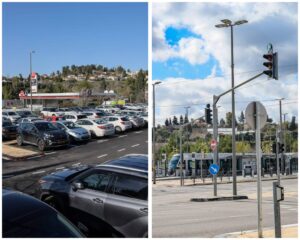
Along Jaffa Street, Hebron Road, on the way to Gilo, Baka, and Talpiot – all of Jerusalem is experiencing disruption: dust, noise, road closures, and long-term promises
The light rail is meant to shorten commutes and connect neighborhoods – but in the meantime, it’s also creating fractures. Business owners report lost revenue, pedestrians are frustrated, and residents say the city is being deconstructed in order to rebuild – without any real human connection
Many global cities have proven: transit development without attention to people’s needs can become a psychological burden
(Har Homa Expands: Housing, Nature, and Hope in Jerusalem)
Endless Construction – Urban Renewal or Loss of Belonging
In Kiryat Yovel, Ir Ganim, Givat Mordechai, and Pisgat Ze’ev – towers are rising as part of accelerated urban renewal plans. The goal: density, housing solutions, expanded infrastructure
But the reality often doesn’t match the glossy renderings. Longtime residents feel they’re losing their skyline, their sunlight, and the history once written into the old buildings
Every neighborhood is becoming a block of concrete, they say. And what’s being built – isn’t for us
Cities That Regret Building: What Studies Show
A major study from Harvard University highlights a troubling trend: cities that rushed to rebuild after crises lost touch with their community, memory, and identity. Examples from Beirut, Belgrade, and parts of Barcelona show that rapid renewal can lead to alienation, not healing
(Life Returns to the Western Wall – with Water and Tears)
What begins as an infrastructure project can become a mental revolution. What looks like renewal – may actually signal emotional disconnection
Not Against Progress – But for Human Identity
This is not a protest against development. Jerusalem must move forward. But alongside every layer of concrete, there must be a layer of memory. Alongside every tower – a story. Alongside every new train station – stations of humanity
Jerusalem is being built. But the question remains: for whom