The ‘Byron’ storm that struck the Jerusalem area and the Judean Hills last week cast a stark light on the gap between natural beauty and urban peril. The Beit Zait Dam, situated on the outskirts of the city and known as a popular recreational retreat, suddenly became the scene of a dramatic incident, as floodwaters exacted their toll and put rescue forces to a difficult test.
What Happened at Beit Zait Dam Last Week and Who Were the Missing Persons They Were Searching For?
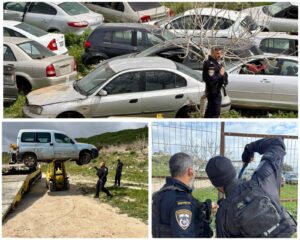
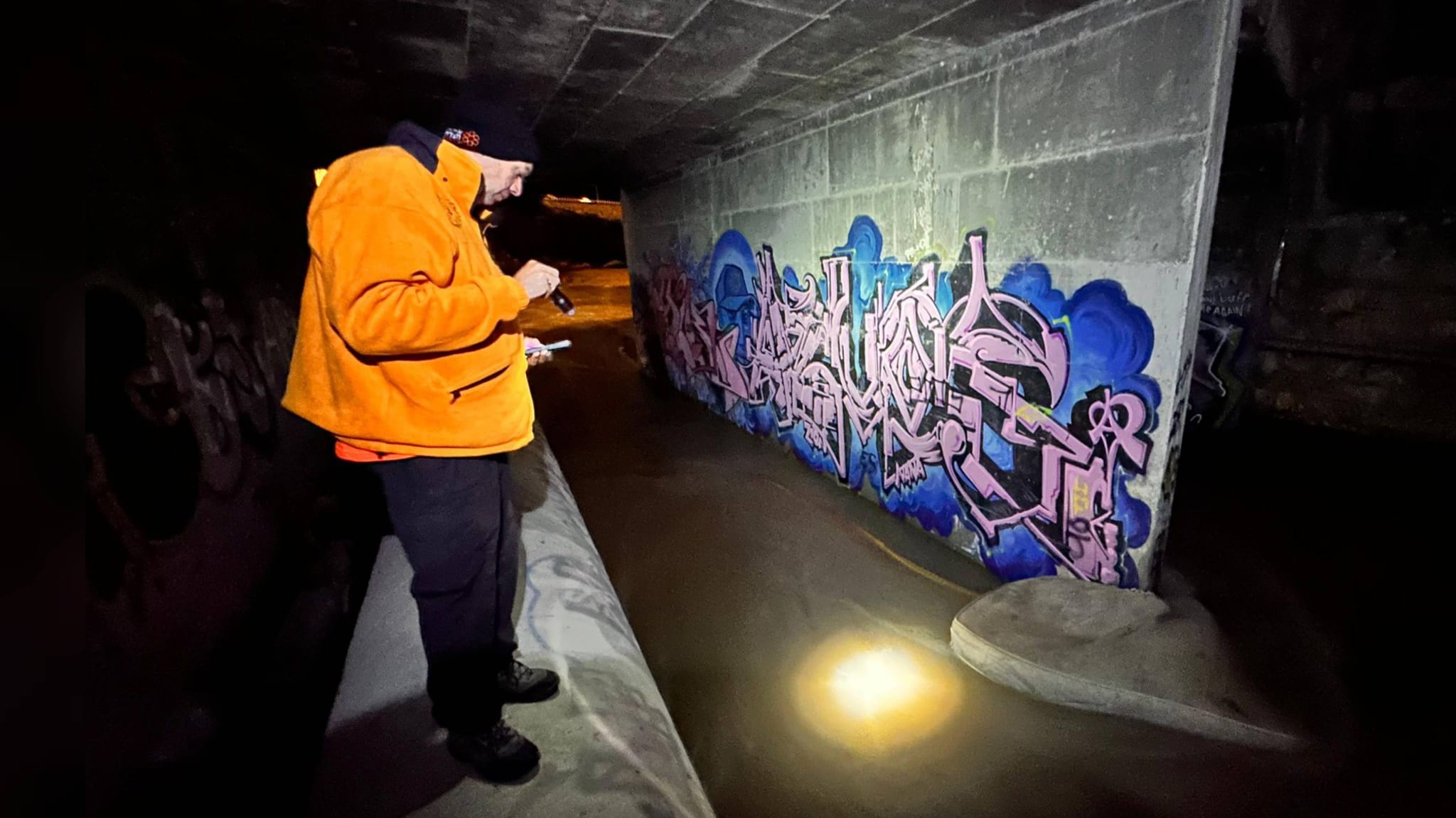
During the storm days, numerous rescue forces- Jerusalem District police officers, the Etzion-Yehuda Rescue Unit volunteers, and specialized units- were mobilized in an effort to locate missing persons suspected of being caught in the strong currents near the dam. The search focused on a disturbing report of an SUV (Jeep) that, according to witnesses, was submerged in the surging waters in the stream channel near Jerusalem’s large dam. “Volunteers from the Etzion-Yehuda Rescue Unit of the Israel Police are operating alongside Jerusalem District police officers, searching for a Jeep-type vehicle which, according to the report, contains five passengers, and was last seen sinking in the water at Beit Zait Dam,” a statement was issued by the Jerusalem District Police during those moments of fear. This event harshly underscored the danger inherent in a site that attracts many visitors precisely during the winter season, challenging authorities regarding immediate enforcement.
Why is Beit Zait Dam Dangerous in Winter, and is it Truly a Fatal Trap?
During the summer, the Beit Zait Dam offers an illusion of security; it appears dry, an open area where only cracked mud and sparse vegetation hint at its function. This innocent appearance, which invites hikers to roam freely, is a dangerous deception. The drastic change occurs with the arrival of the rains: the Sorek Stream that feeds the dam comes alive as a raging river, and the basin fills with terrifying speed. Within hours, the flat area turns into a deep, muddy reservoir. The sudden subterranean currents, combined with the sweeping mud, make entry into the water extremely dangerous for anyone unaware of its power. Experts warn: Beit Zait Dam in winter is not a romantic beauty spot but an area where the danger of drowning and being swept away is immediate, and it can instantly turn into a fatal trap due to lack of caution.
How to Deal with a Danger Like Beit Zait Dam: What Do Dangerous Dams Worldwide Do?
The case of Beit Zait Dam is not unique to the Jerusalem area. Artificial water reservoirs near populated areas become a seasonal danger worldwide. Similar dams, intended for flood prevention or storage, are managed with stringent safety measures during filling. For instance, central flood control systems in the River Thames basin in the UK, and dams managed by the US Army Corps of Engineers near metropolitan cities, mandate increased enforcement and signage. These global models include high fences, multilingual warning signs, and foot and aerial patrols by enforcement authorities during flood events. The global message is unequivocal: dynamic bodies of water, especially those that fill rapidly, demand respect and distance. The case of Beit Zait Dam requires local authorities to increase signage and enforcement in the Jerusalem area to prevent the next disaster.