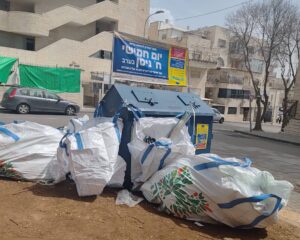
As Passover 2026 approaches, Jerusalem takes on the familiar tension of the days leading up to the holiday. The streets are crowded, supermarkets are full, and leavened products are being cleared away. Amid the preparations, lists and cleaning, something quieter unfolds: charity funds, nonprofits and neighborhood initiatives mobilize with open hearts around the long-standing custom of “Kimcha dePischa” – a Jewish tradition of giving that returns every year before Passover.
What is Kimcha dePischa and why does it matter before Passover?
In Jerusalem, it is clearer than ever that this is not merely technical assistance for purchasing matzah, wine and food products, but a broader expression of mutual responsibility with a meaningful name. In its simplest sense, “Kimcha dePischa” is an ancient custom dating back roughly 1,500 years, when communities supported those in need ahead of Passover so that everyone could sit at the holiday table with dignity.
The Aramaic term itself – “flour for Passover” – reflects an earlier world in which assistance focused on providing the most basic ingredients needed to prepare matzah and holiday meals. But like many traditions in Jerusalem, its meaning has expanded. Not only flour, but full food baskets. Not only ingredients, but shopping vouchers. Not only basic donations, but also packing, transportation, cooking, organization, mediation, guidance and simple human care – even helping those who lack a place to celebrate the Seder.
How did Kimcha dePischa become a symbol of solidarity in Jerusalem?
“Kimcha dePischa” continues the spirit of Jewish giving already seen during Purim through mishloach manot and gifts to the poor. Yet while Purim emphasizes shared joy and festive giving, Passover ties this tradition more closely to family, the meal, community involvement and concern for others.
The story of the Exodus from slavery to freedom serves as a measure of how a society treats its most vulnerable members, and what it does for those left behind. The idea is rooted in the Book of Deuteronomy: “If there is among you a needy person… do not harden your heart or shut your hand against your needy brother” (Deuteronomy 15:7). And in the Song of Deborah: “When the people willingly offer themselves, bless the Lord” (Judges 5:2).
Poet Hayim Nahman Bialik later adapted this moral idea into his well-known poem “To the Volunteers of the Nation.” In synagogues across Jerusalem, for a second week now, announcements have been made calling on communities to contribute ahead of the Festival of Freedom. Across the city, posters lining the streets echo the same message: lend a hand to those in need.
As many feel deeply, this principle now takes countless forms – campaigns supporting farmers, the elderly, lone soldiers, families affected by recent wars, and anyone facing hardship. It is a “Kimcha” of solidarity and shared responsibility, a “Kimcha” of brotherhood, active throughout the year – illuminating lives through generosity and compassion.