Behind closed doors — a son raised on love turned violent. The hand that once fed was met with blows. These are the haunting reflections after learning of the latest tragedy
A quiet street turned into a scene of pain
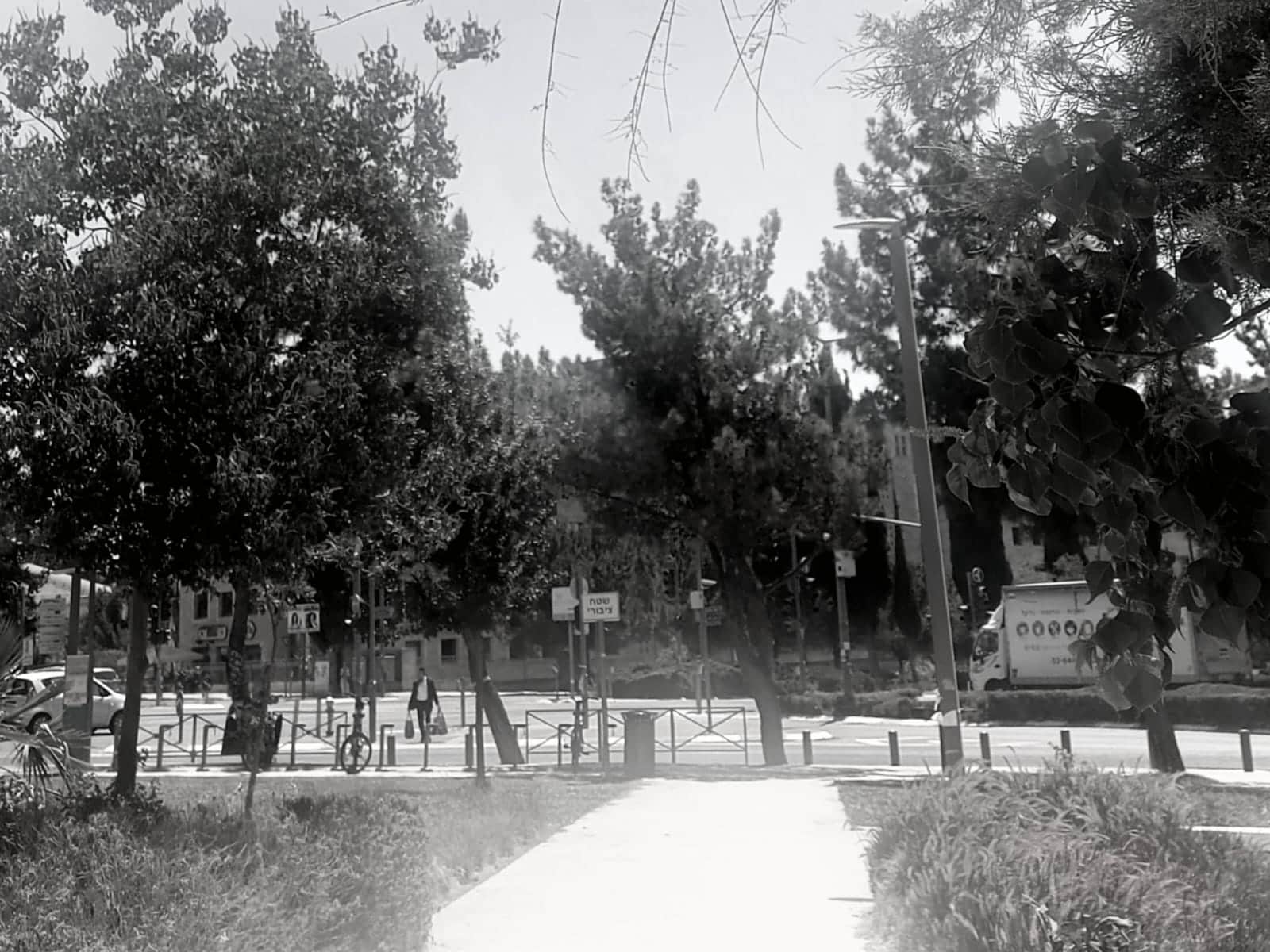
In a seemingly ordinary apartment on a quiet street in Armon Hanatziv, Jerusalem, police arrived to find an elderly woman in her 80s — bruised, bleeding, and yet tearless. Her son, around 40 years old, stood near her after physically assaulting her. He didn’t flee. She remained silent — but this time, she didn’t protect him. He was taken into custody for questioning. The mother was evacuated for medical care
She stayed silent — so did the neighborhood
Unbelievable? Maybe not in Jerusalem. This time, it happened in the heart of Armon Hanatziv. A mother who raised, fed, laundered, cared, paid for classes even when she couldn’t afford her own medication — she was the one who paid the price. She asked him what food he preferred. She searched high and low for a Purim costume when he was a child. And this is what she got. When he skipped holidays, she explained he was “tired from work.” When he mocked her, she stayed quiet. When he shouted, she thought it would pass. Until one day, it wasn’t just shouting — a hand was raised
(Cultural Rift Exposed: Jerusalem vs. Israel’s Center)
This violence didn’t appear out of nowhere on Friday, August 1, 2025. It simmered over years — tension, repression, silence. And when it exploded, it struck the person who gave the most — the mother
A city facing a silent epidemic
Jerusalem has seen a troubling rise in domestic violence cases in recent years. According to social service estimates, hundreds of cases go unreported — especially among elderly victims who may be unable or too afraid to speak out. Many abusers are family members living in cycles of poverty, emotional dependence, unemployment, lack of education, or untreated mental health conditions
Research has long shown a link between poverty and domestic violence. But this is no fate — it’s a societal failure demanding wide and compassionate response. “No one becomes violent in a moment,” says Ilana Cohen, a social worker specializing in family violence. “When there’s no support, there’s no hope. When there’s no hope, love fades away
(When routine kills: Jerusalem zookeeper mauled by tiger)
So what can be done? We must speak up and act early. Teach children from a young age to talk about feelings, fears, and burdens. Instill respect, boundaries, and empathy from the start. Explain the unseen sacrifices many parents make for their families. These conversations should be woven into daily life, not just in crisis
And above all — create safe environments for both victims and those in distress who may otherwise become aggressors
Stories of family violence leave behind deep sorrow. Between a bowl of soup and a raised fist — hearts are broken. As long as society looks away, the violence will keep coming back