A fatal apartment fire that broke out on Sunday morning in Jerusalem’s Armon HaNatziv neighborhood has claimed the life of a woman in her 60s, bringing renewed attention to a winter reality that often goes unnoticed: the lethal risks that emerge inside homes at night, when cold weather, improvised heating, aging infrastructure, and human complacency intersect.
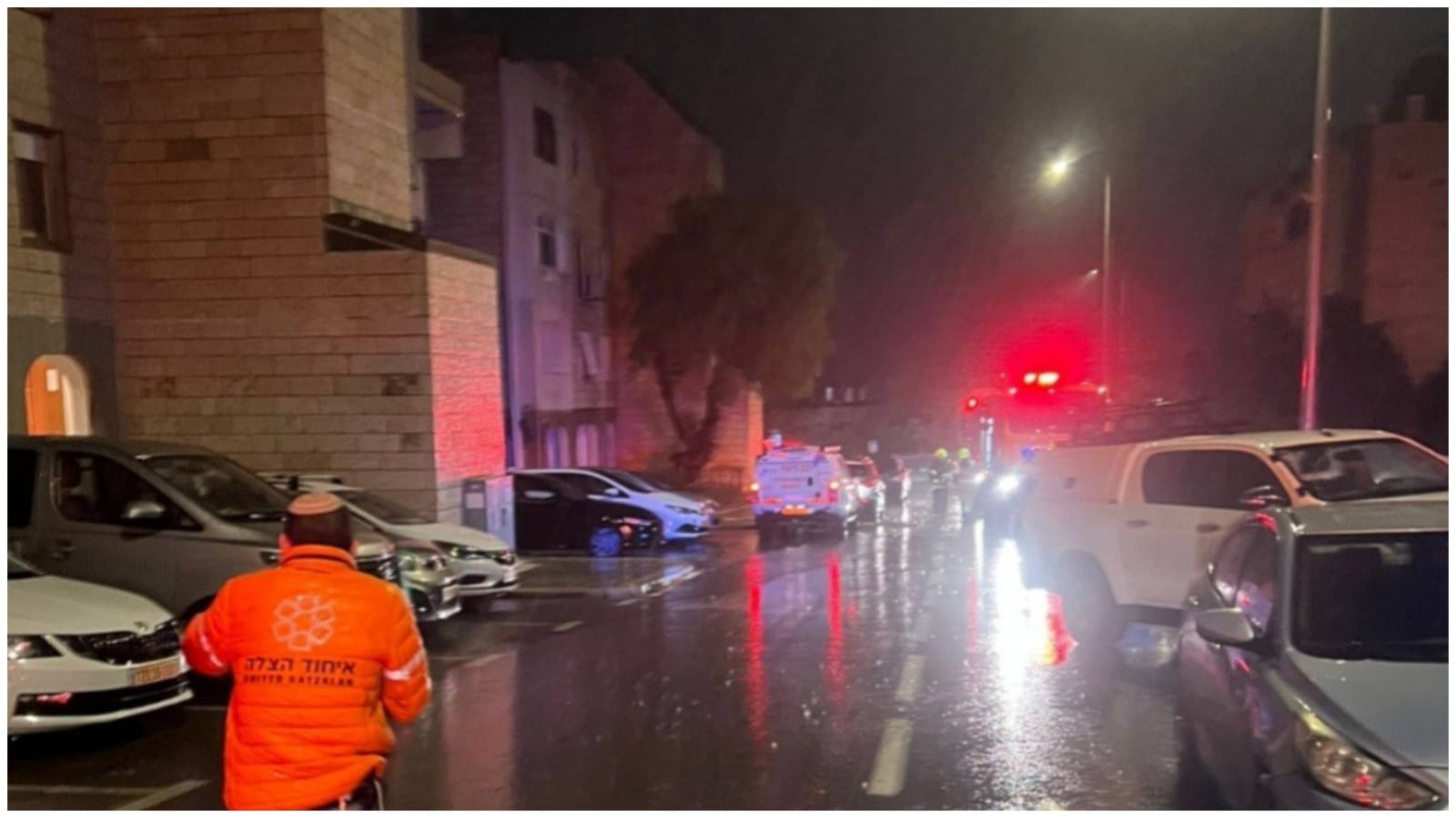
According to United Hatzalah Spokesperson for the Jerusalem District, emergency medical teams were dispatched on Sunday morning to Adam Street in Jerusalem, where the woman was rescued from a smoke-filled apartment in critical condition. She received initial medical treatment at the scene and was evacuated by intensive care ambulance to Hadassah Ein Kerem Medical Center. Her death was later pronounced at the hospital as a result of smoke inhalation. Another woman, aged 47, was treated at the scene in mild condition.
United Hatzalah volunteers Haim Cohen and Yedidya Natan Landsberg said: “When we arrived, thick smoke was rising from the apartment where she lived in a residential building. Firefighters entered the apartment and rescued the woman, who was unconscious and in critical condition. After initial treatment at the scene, she was evacuated by intensive care ambulance to Hadassah Ein Kerem Hospital. We also provided assistance at the scene to another woman, aged 47, who was in mild condition.”
Why Are Winter Night Fires So Deadly?
Residential fires in Jerusalem are not uncommon during the winter months, but incidents that occur at night are particularly dangerous. During sleep, the sense of smell is dulled, reaction times slow dramatically, and smoke inhalation often takes place before flames are even detected. In many cases, victims never wake up in time to escape.
Jerusalem’s housing landscape adds another layer of risk. Large parts of the city consist of older apartment buildings that were constructed decades ago, long before modern electrical standards became widespread. In such homes, residents frequently rely on space heaters, outdated appliances, or improvised heating solutions to cope with cold temperatures, not always with full adherence to safety guidelines or basic warning systems such as smoke detectors.
Emergency services repeatedly stress that many fatal fires are not caused by extraordinary events, but by everyday conditions: a heater left operating overnight, worn electrical wiring, overloaded sockets, or unnoticed ignition sources. In a city where a significant portion of residential infrastructure is aging, these risks become especially acute during prolonged winter cold spells.
The tragedy in Armon HaNatziv joins a series of similar incidents recorded in recent winters and serves as a stark reminder that winter dangers in Jerusalem extend beyond slippery roads or harsh weather outdoors. Often, the most serious threat unfolds silently inside the home, while the city sleeps.