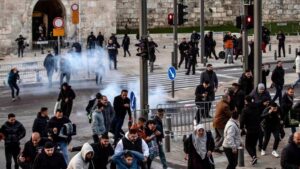
In Jerusalem these days, almost any move by authorities carries weight far beyond its immediate purpose. What might look like routine enforcement on paper often plays out in a much more charged reality, where protests, street disruptions and friction between ultra-Orthodox communities and law enforcement have become a recurring scene.
Into this already tense atmosphere enters a seemingly technical issue – koshering utensils ahead of Passover.
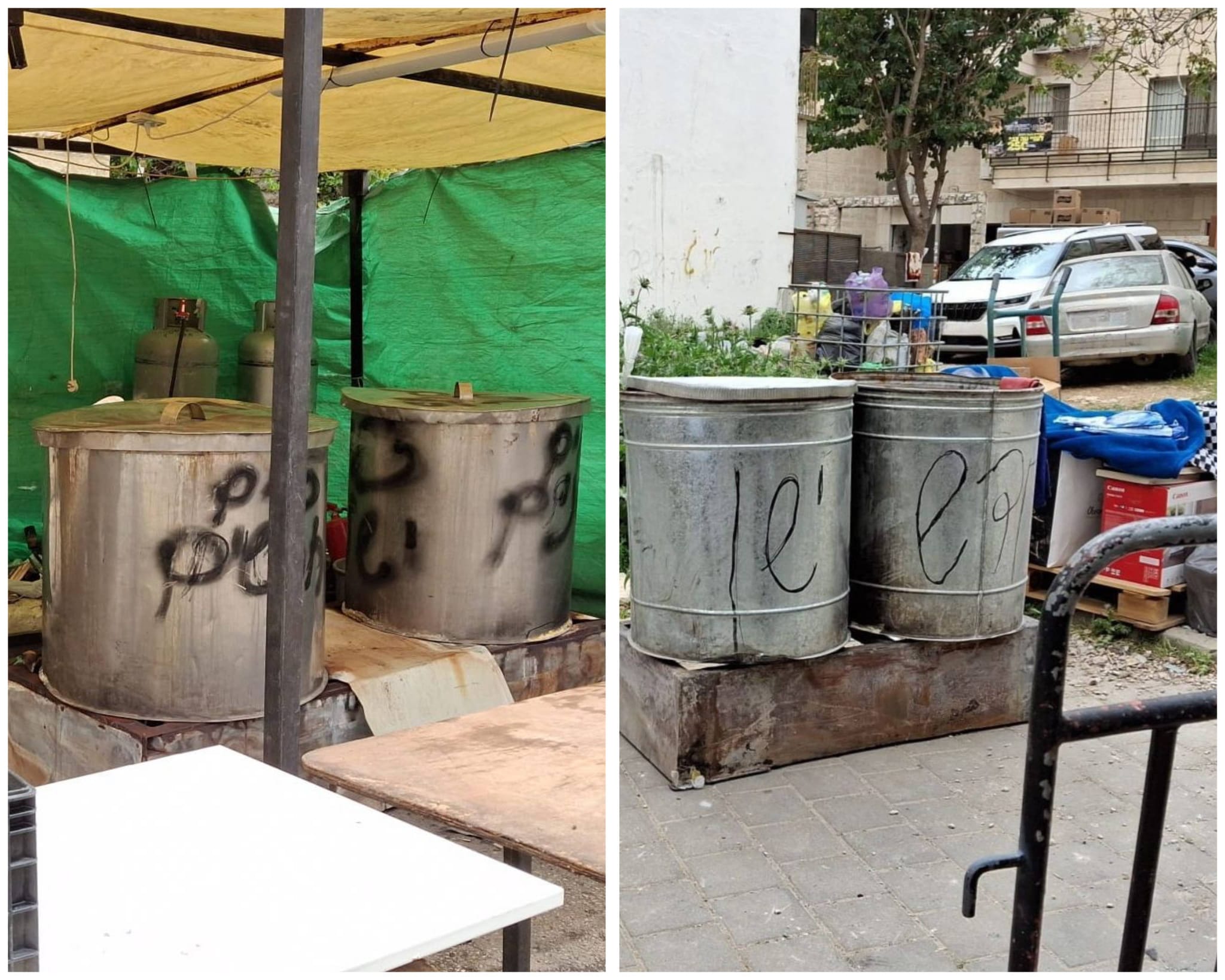
Across the city, especially in religious and ultra-Orthodox neighborhoods, dozens of koshering stations are set up every year in the weeks leading to the holiday. These stations, often run by private individuals or local initiatives, rely on large vats of boiling water heated by gas burners connected to portable gas tanks. For residents, this is a familiar and essential part of preparing for Passover. For authorities, however, it also represents a potential safety hazard, particularly when equipment is improvised or used in crowded, poorly ventilated spaces.
Will koshering enforcement become a new flashpoint?
Ahead of the upcoming holiday, Israel’s Energy Ministry and the Jerusalem municipality are preparing to increase enforcement around these stations. Inspectors from the Fuel and Gas Administration are expected to operate alongside municipal enforcement teams, checking whether stations comply with safety regulations.
From the authorities’ perspective, the goal is straightforward – preventing accidents before they happen. But in Jerusalem’s current climate, even the presence of inspectors can quickly be interpreted differently on the ground.
The Ministry of Energy and Infrastructure said: “Koshering stations must operate in full compliance with safety regulations. Facilities must be placed in ventilated areas, kept away from ignition sources, and operated using approved equipment only, in order to prevent risks to the public.”
Jerusalem municipality officials stressed that enforcement is intended to protect residents, not interfere with religious practice: “Enforcement teams will operate across the city to ensure stations comply with guidelines, while maintaining public safety.”
Still, in practice, the situation can be more sensitive. A station that has been operating for years without interruption may suddenly face inspection, demands for adjustments, or even shutdown. For operators and users, that can easily be perceived as unnecessary interference – especially during a period that is already socially and politically charged.
What are the safety rules – and what happens during a siren?
Beyond standard safety requirements, this year adds another layer of complexity – the ongoing war with Iran and the possibility of sirens in Jerusalem.
In a preparatory meeting between Energy Ministry inspectors and Jerusalem’s municipal enforcement unit, specific instructions were clarified for emergency situations, particularly if a siren sounds while a station is operating.
The instruction is clear: in the event of a siren, operators must immediately shut off the gas burner, disconnect the energy source as much as possible, and move away from the station in accordance with Home Front Command guidelines.
The Energy Ministry emphasized: “In case of a siren, operators must immediately turn off the gas burner, disconnect the energy source where possible, and move away from the station, while ensuring the safety of both operators and the public.”
The bigger question now is not just whether enforcement will take place, but how it will be received. In a city where even small steps can quickly escalate, enforcement around koshering stations may yet become another point of tension between authorities and the ultra-Orthodox community.