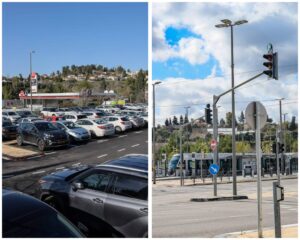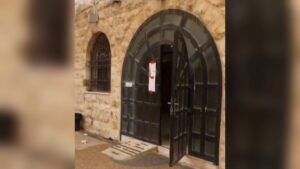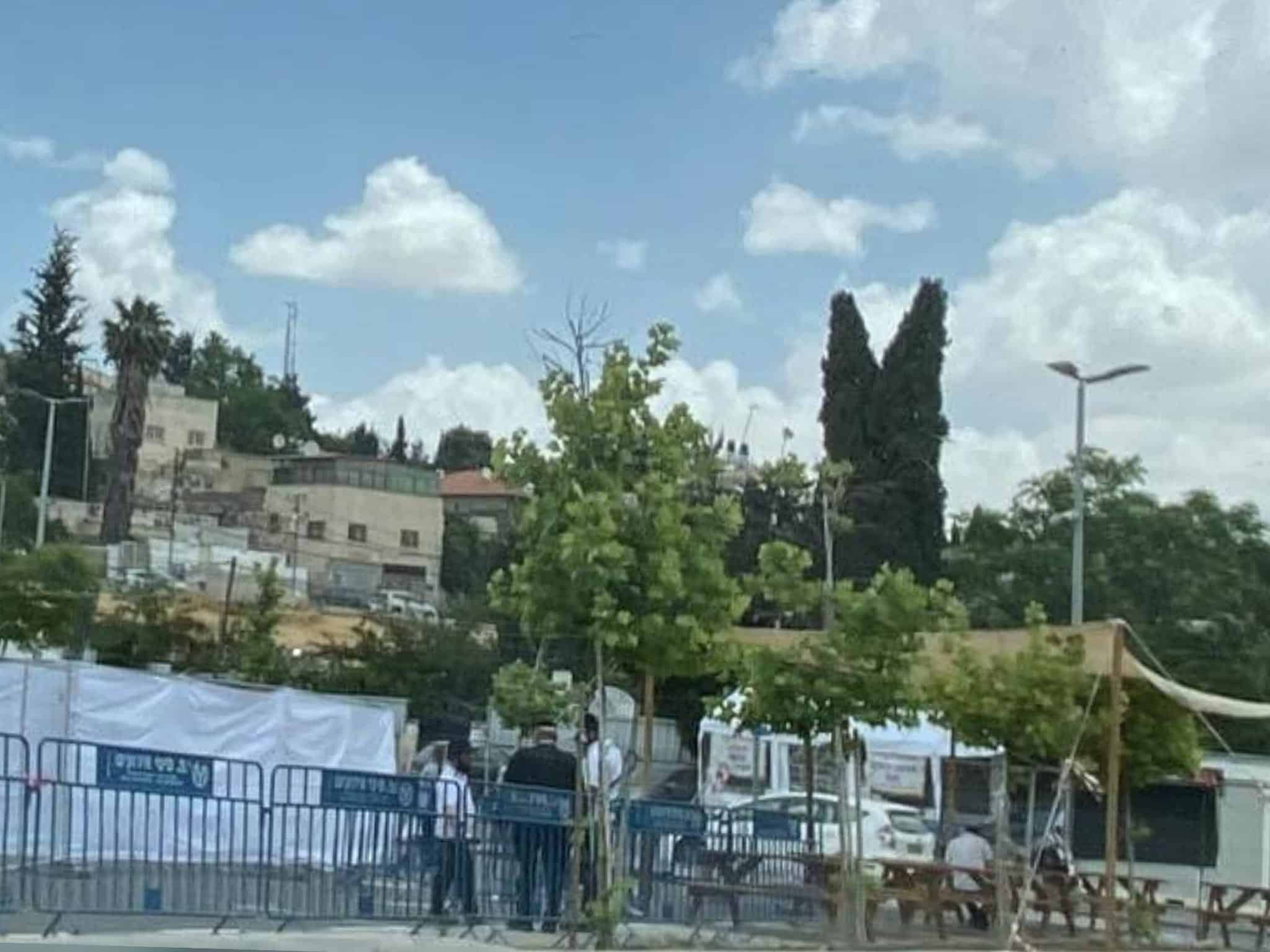
Final preparations are complete for tonight’s traditional Lag BaOmer celebration at the Tomb of Shimon HaTzadik in Jerusalem. Starting at 9:00 PM, the event will include live music and a bonfire, with ceremonial haircuts for children and a large tented area for festivities. Jerusalem Deputy Mayor Aryeh King, rabbis, and public figures are expected to attend, along with thousands of celebrants
The celebration is organized by the Shimon HaTzadik Cave Association and backed by the Jerusalem Municipality. It revives a long-standing Jerusalemite tradition: for over a hundred years, Lag BaOmer has been marked at this site, offering a local alternative to the Meron pilgrimage in northern Israel
Tensions rise as sacred space meets political friction
But not all residents are joining in. The tomb lies in Sheikh Jarrah, a Palestinian neighborhood in East Jerusalem. Locals have expressed anger over road closures, the erection of fences, and the seizure of about four dunams of public land, which they say impairs daily life. According to residents, the noise, crowds, and lack of access during the extended event create a “nightmare” scenario for those living nearby
The tradition of celebrating Lag BaOmer at this site likely stems from the similarity between the names of Rabbi Shimon Bar Yochai and Shimon HaTzadik, and from historical limitations that once made travel to Meron impractical. The practice has since become embedded in Jerusalem’s religious calendar
Historical sources from as early as 1868 describe Jewish pilgrims gathering at the tomb on Lag BaOmer, including organized student visits and festive market activity. As chronicled by writers like Ze’ev Vilnai and Avraham Moshe Lunz, the celebration has long served both spiritual and communal purposes — though today, it also reflects the complexities of modern-day Jerusalem