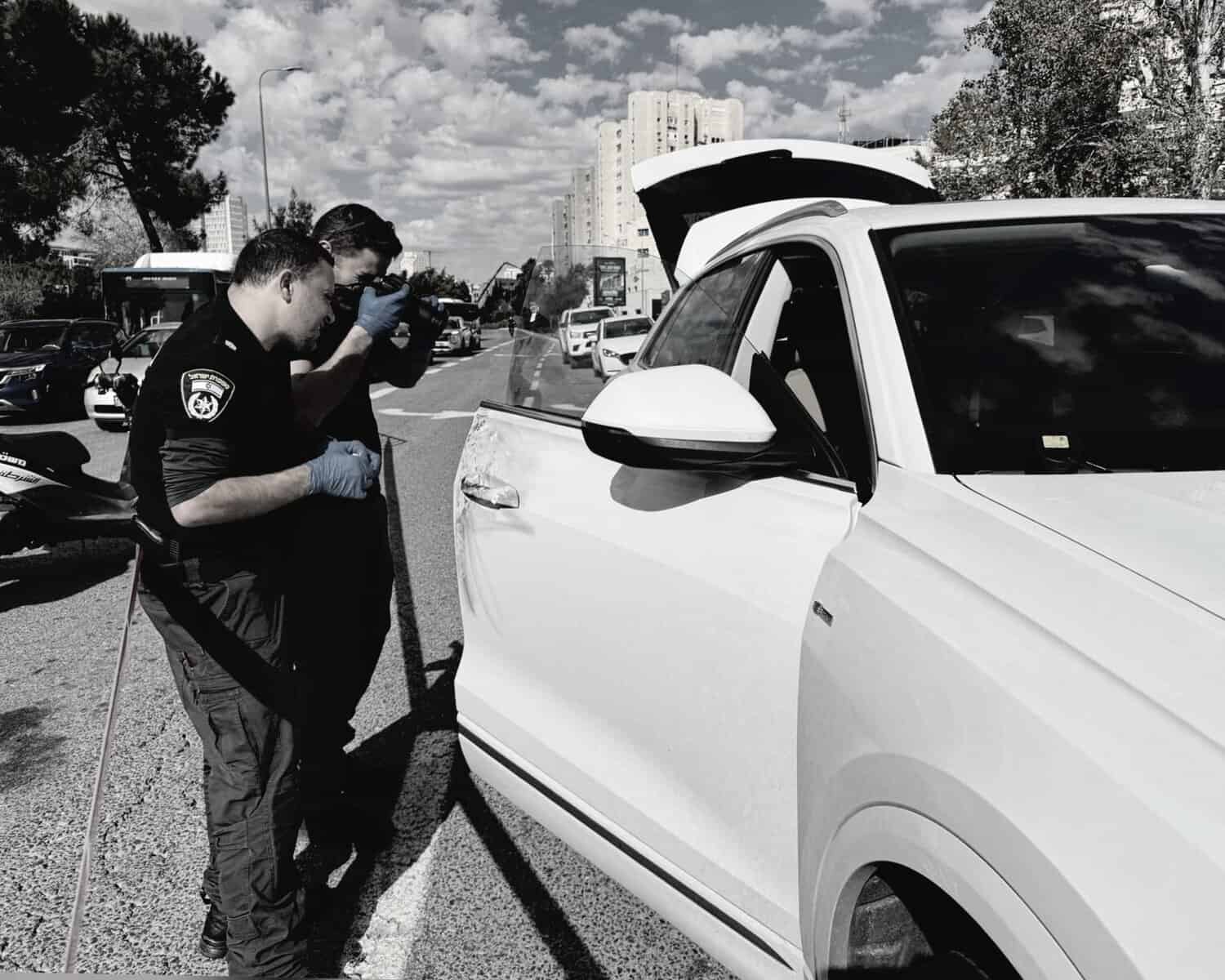
A major criminal case in Jerusalem’s Holyland neighborhood has reached a turning point: the suspect arrested now is linked to the armed robbery that took place in January 2024, when members of a gang posed as couriers, entered a family’s home, tied the parents in front of their infant and fled with a luxury vehicle and other valuables. The arrest was carried out as part of the “Stop in Red” operation by the Judea and Samaria District, in coordination with units from the Jerusalem District. Investigators are now focusing on completing proceedings against all those involved.
Armed robbery in Holyland: planned entry and violent execution
According to case materials gathered by the Jerusalem District’s crime-fighting unit, the group operated with preparation and disguise, using courier uniforms to gain access to the home. Once inside, they restrained the parents under threat and quickly removed property and a luxury car. One of the suspects had previously attempted to escape arrest and injured an officer while fleeing, adding to the gravity of the case.
The investigation focused on identifying each participant and understanding the pattern behind the break-in. Over time, intelligence led to the location of the fugitive suspect, whose arrest now fills a major gap in the case. Further legal steps will determine how the proceedings move forward.
(Gaza War Is Winding Down – What Awaits Jerusalem?)
“Stop in Red”: tracking fugitives in serious crime cases
The “Stop in Red” operation in the Judea and Samaria District is aimed at locating suspects who fled after major criminal offenses. In this case, several units collaborated, including the Yamam and Binyamin station. While previous indictments were filed last year against other members of the gang, this arrest brings the case closer to closure but does not conclude it.
The Holyland incident drew significant attention at the time due to the gang’s disguise and the violent break-in. Public discussion has centered on how criminals use delivery impersonation, the challenges of tracking suspects who disappear after major offenses, and the time gap between an incident and arrest. This latest development reflects persistence in following up on cases rather than signaling an endpoint.