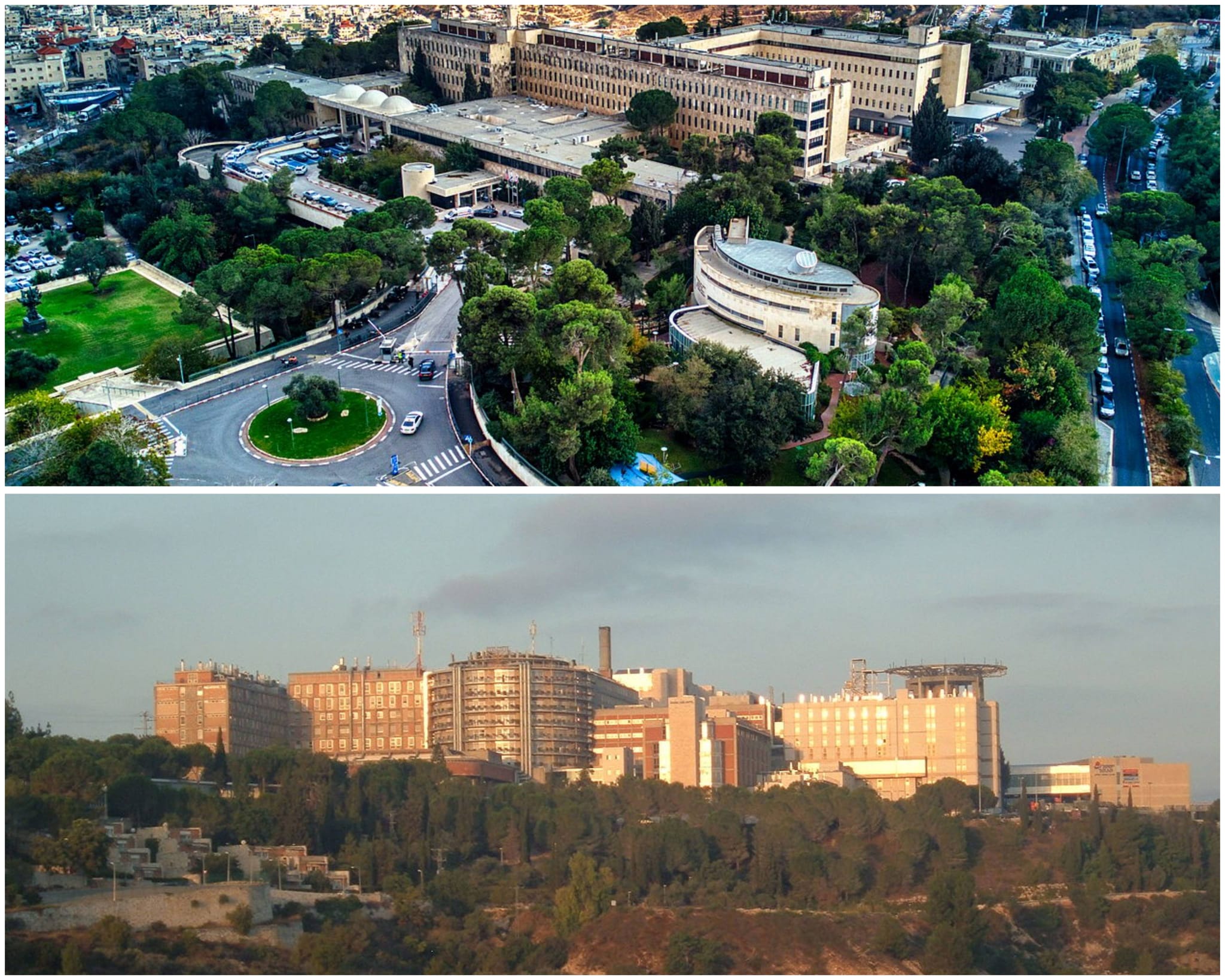
Hadassah Medical Center issued an unusual message to its staff last night, warning that a worsening financial crisis may prevent the payment of January 2026 salaries. According to the management, the crisis stems from years of unequal government funding for Jerusalem’s public hospitals compared with state owned medical centers.
In a letter sent to all employees, Hadassah’s Director General, Prof. Yoram Weiss, wrote that the state has yet to transfer a legally mandated debt of more than 700 million shekels owed to Jerusalem’s hospitals.
He stressed that the accumulated debt now undermines Hadassah’s ability to function responsibly and maintain stable operations.
“This situation is unacceptable,” wrote Weiss. “This discrimination is not only disturbing in principle, it directly harms the health infrastructure of the country’s capital. The state must provide funding conditions equal to those granted to its own hospitals. Had the state acted this way over the years, today’s crisis would never have emerged. This is a national level issue affecting every resident of Jerusalem.”
What does the state’s outstanding debt to Hadassah include?
According to Weiss, the debt has three main components:
funding for wage agreements that is fully provided to state owned hospitals but not to Jerusalem’s public ones;
compensation for the severe reduction in hospital activity during the wartime period and the “Am Kalavi” days, when Hadassah was required to pay full salaries despite significantly reduced operations;
and delayed reimbursements from the health funds for treatments already delivered.
“These gaps create deep cash flow pressure,” Weiss said, “and no hospital of Hadassah’s size can sustain such conditions for long.”
Is Hadassah heading toward a confrontation with the government?
Management officials noted that employee unions and the Jerusalem district head of the Histadrut have already warned the Finance and Health ministries that without urgent action, major protest measures may be taken. Shaare Zedek Medical Center, facing similar difficulties, may also join the effort.
Hadassah emphasized that intensive discussions with government officials, Knesset members and ministers are ongoing in an attempt to prevent any delay in salary payments. “We will not rest until a solution is secured,” wrote Weiss. “Our commitment to our staff is absolute, and we will fight for their basic right to receive their salaries on time.”
Despite strict financial discipline and avoidance of donor money for routine operations, Hadassah warns that without immediate government intervention, the crisis cannot be resolved.