Jerusalem Municipality is continuing its push to redevelop the Talpiyot industrial zone. The Local Planning and Building Committee has recently recommended advancing a large-scale development plan for the Lev Talpiyot Mall complex on HaOman Street 17. The project is designed to reshape the area into a mixed-use urban hub combining housing, commerce, employment and public institutions, adjacent to Jerusalem’s light rail corridor.
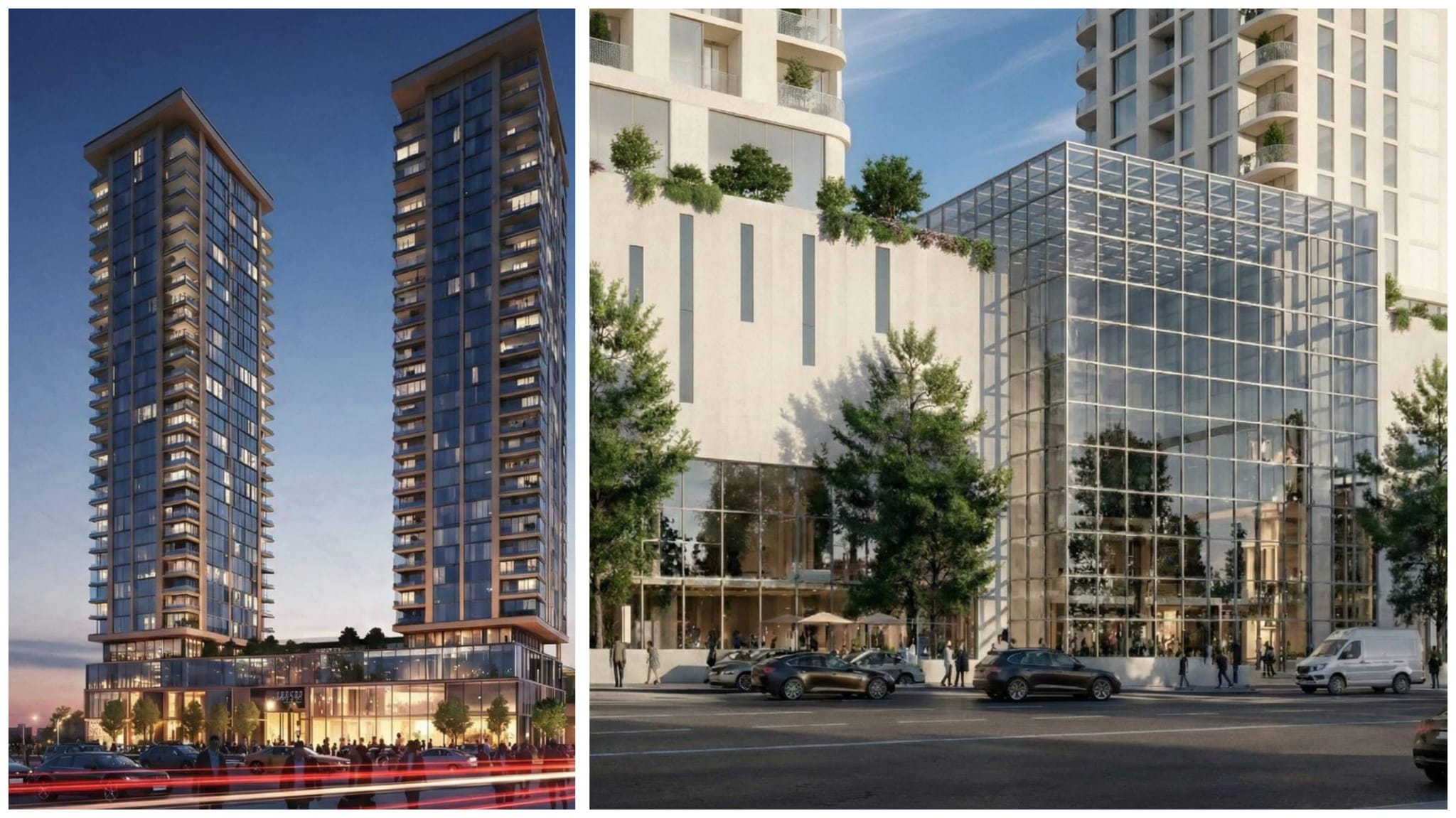
The plan covers approximately 9.8 dunams and includes an expansion of the existing mall and the construction of a mixed-use complex. Two 33-story residential towers are planned above the commercial space, adding around 430 new housing units, alongside a significant increase in office and retail areas totaling about 22,000 square meters.
Is Talpiyot Becoming a New Residential Hub in Jerusalem?
By integrating residential, office and commercial spaces, the project is expected to create an active urban environment throughout the day and evening. City officials say the goal is to strengthen Talpiyot as an independent urban district, rather than a purely industrial and commercial zone.
The plan also allocates extensive space for public needs, including about 3,200 square meters for educational institutions on the western frontage of the mall and another 2,000 square meters for public buildings and services. These facilities are intended to support the area’s growing population.
How Will the Project Affect Jerusalem’s Urban Landscape?
A central focus of the plan is the creation of an active urban frontage along HaOman Street and the adaptation of building levels to the surrounding environment. The committee has recommended adding adjacent land to the north in order to allow greater planning flexibility and improve the quality of public space.
In addition, planners are examining the possibility of granting up to a 200% increase in residential building rights, including the option to designate part of the housing for long-term rental. The move is designed to help address Jerusalem’s ongoing housing demand.
The plan was submitted by Benasuli Aviram and designed by Yigal Levi Architects, and aligns with municipal policy promoting higher density along light rail corridors and the Talpiyot master plan.
Is This Part of the Talpiyot 2040 Vision for Jerusalem?
The project forms part of a broader initiative led by Jerusalem Municipality, in cooperation with the Eden Economic Development Company, to reposition Talpiyot as a leading urban and economic district.
Mayor Moshe Lion said: “Talpiyot has entered a new phase on its path to becoming an advanced and innovative district in the heart of Jerusalem. This is what we envisioned when we approved the Talpiyot 2040 master plan. Today, we see those ideas taking shape. This is the face of the future, and I am proud of it.”
Municipal officials estimate that once planning procedures are completed, the project will move forward and become one of southern Jerusalem’s most significant development centers in the coming years.