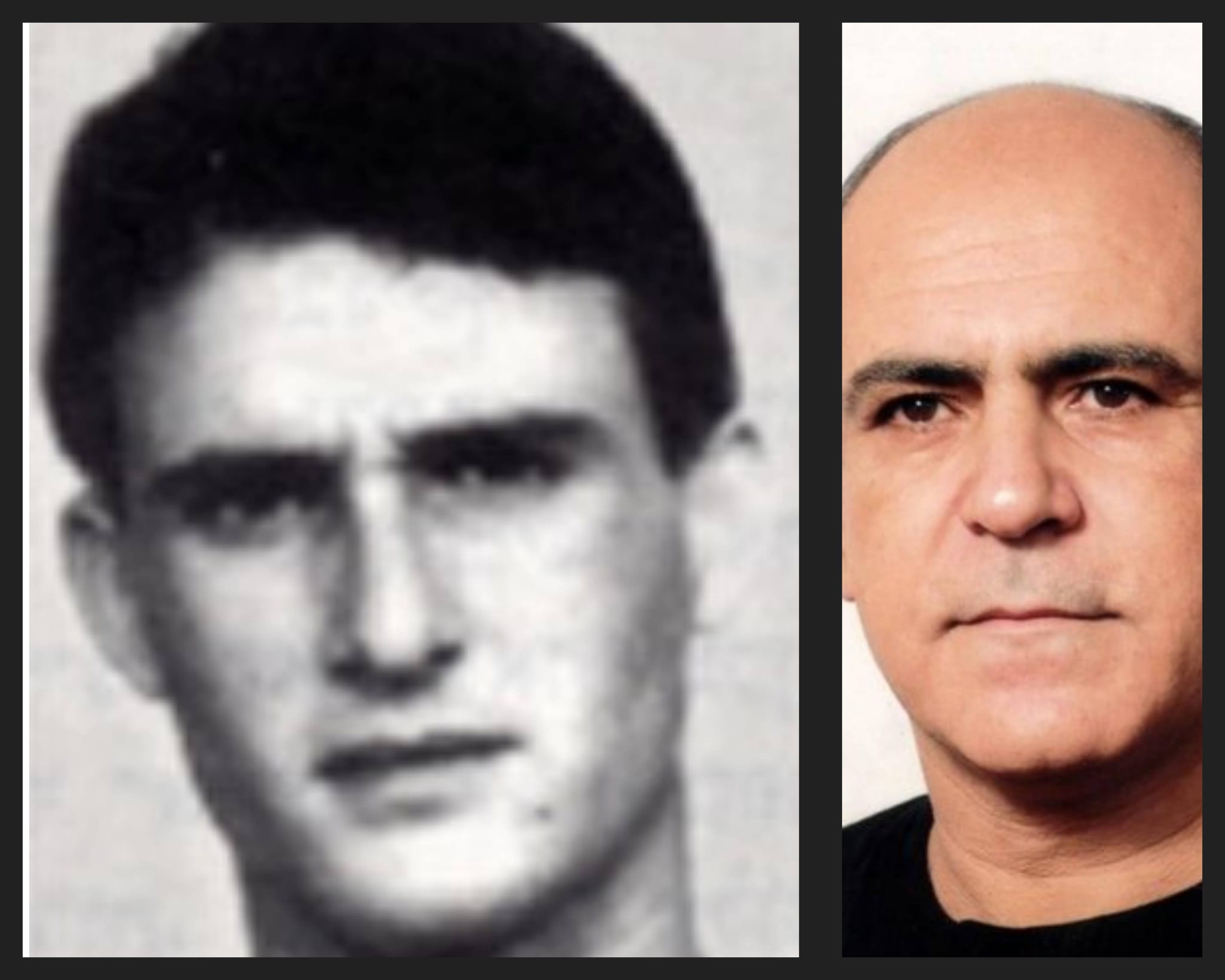
After serving 40 years in prison, Ibrahim Naif Abu Mukh, about 65, an Arab-Israeli militant who was part of the cell that kidnapped and murdered IDF soldier Cpl. Moshe Tamam in 1984, was released this Sunday. Abu Mukh planned the kidnapping and murder while living in Jerusalem, where the carpentry shop he owned served as a logistical hub for the cell.
The murder of Moshe Tamam is considered one of the most shocking cases in Israel’s fight against terrorism, particularly because the perpetrators were Israeli citizens operating as an organized terror cell. The case led to a series of legislative changes.
How was Moshe Tamam kidnapped and murdered at Beit Lid junction?
On August 6, 1984, Moshe Tamam, a combat engineering soldier, left his home in Habatzellet HaSharon while on leave, heading back to his base. He was last seen getting off a bus at Beit Lid junction in the evening. A terror cell of Israeli Arab citizens from Baqa al-Gharbiyyeh, affiliated with the Popular Front for the Liberation of Palestine and trained in Syria, had planned to abduct a soldier to use as leverage for prisoner exchanges. The cell “hunted” Tamam at the junction and picked him up as a hitchhiker. At gunpoint, they drove him to the Samaria region. According to testimonies, they held him for two days. When negotiations failed, they tortured him and eventually executed him with a gunshot to the head in an orchard near the settlement of Mevo Dotan. His body was found only after four days of extensive searches.
Only about two years later, the Shin Bet exposed the cell. Its members were Walid Daqqa, Ibrahim Abu Mukh, Rushdi Abu Mukh and Ibrahim Biadasa. All were sentenced to life imprisonment.
What role did a Jerusalem carpentry shop play in planning the attack?
Abu Mukh initiated and planned the kidnapping while living in Jerusalem. He moved to the city in the early 1980s and lived there for about five years near his sister, his only close relative after they were orphaned as children. He lived in the Abu Tor neighborhood, south of the Old City, and made a living from a small carpentry shop he owned in Wadi al-Joz.
Ibrahim Abu Mukh (25 at the time of his arrest) was considered the logistical brain of the cell. Neighbors described him as quiet and reserved. According to suspicions, he used his vehicle and carpentry shop to store the weapon and hold secret meetings with other members arriving from Baqa. The shop served as the operational base. It was there he met Walid Daqqa and where the idea of carrying out a kidnapping for bargaining purposes was formed. The decision to go to Beit Lid junction to “hunt” a soldier was also made there. Abu Mukh, who knew Jerusalem and its access routes well, was seen as the responsible and mature figure in the group.
Over the years, terror organizations attempted to secure the release of the cell members. This was raised, for example, during the 2011 Gilad Shalit deal, but the Israeli government firmly refused due to the severity of the crime and the fact they were Israeli citizens. In 2014, during negotiations with the Palestinian Authority, they were supposed to be released in the fourth phase of “pre-Oslo prisoners,” but the phase was canceled and they remained in prison.
In 2012, following a legal and public struggle, President Shimon Peres commuted their sentences to 35–40 years (Abu Mukh’s sentence was set at 40 years). Rushdi Abu Mukh was released in April 2021 after serving 35 years. Walid Daqqa, considered the intellectual leader of the group, died in prison on April 7, 2024, from cancer, and his body is still held by Israel. Ibrahim Biadasa is the last member still behind bars.
How did the Tamam family struggle become a symbol for legal change in Israel?
The struggle led by the Tamam family, especially niece Dr. Ortal Tamam, became a national symbol of opposition to releasing terrorists “with blood on their hands,” particularly those who are Israeli citizens. This struggle led to significant legal changes and precedents. Among them is the “Moshe Tamam Law” (an amendment to the Counter-Terrorism Law), aimed at preventing public funding for cultural institutions that glorify terrorism. In addition, legislation was amended to allow revoking citizenship or residency from terrorists receiving payments from the Palestinian Authority.