This week, Jerusalem Municipality released a celebratory announcement about the near completion of the Shazar project at the city’s main entrance. Old Jerusalem newspapers hailed it in line with the official transportation narrative. But for residents stuck daily in congestion, the real question is whether this ambitious project will genuinely change their commute – or simply become another impressive plan that fails to ease the city’s traffic
Shazar project and the underground parking facility
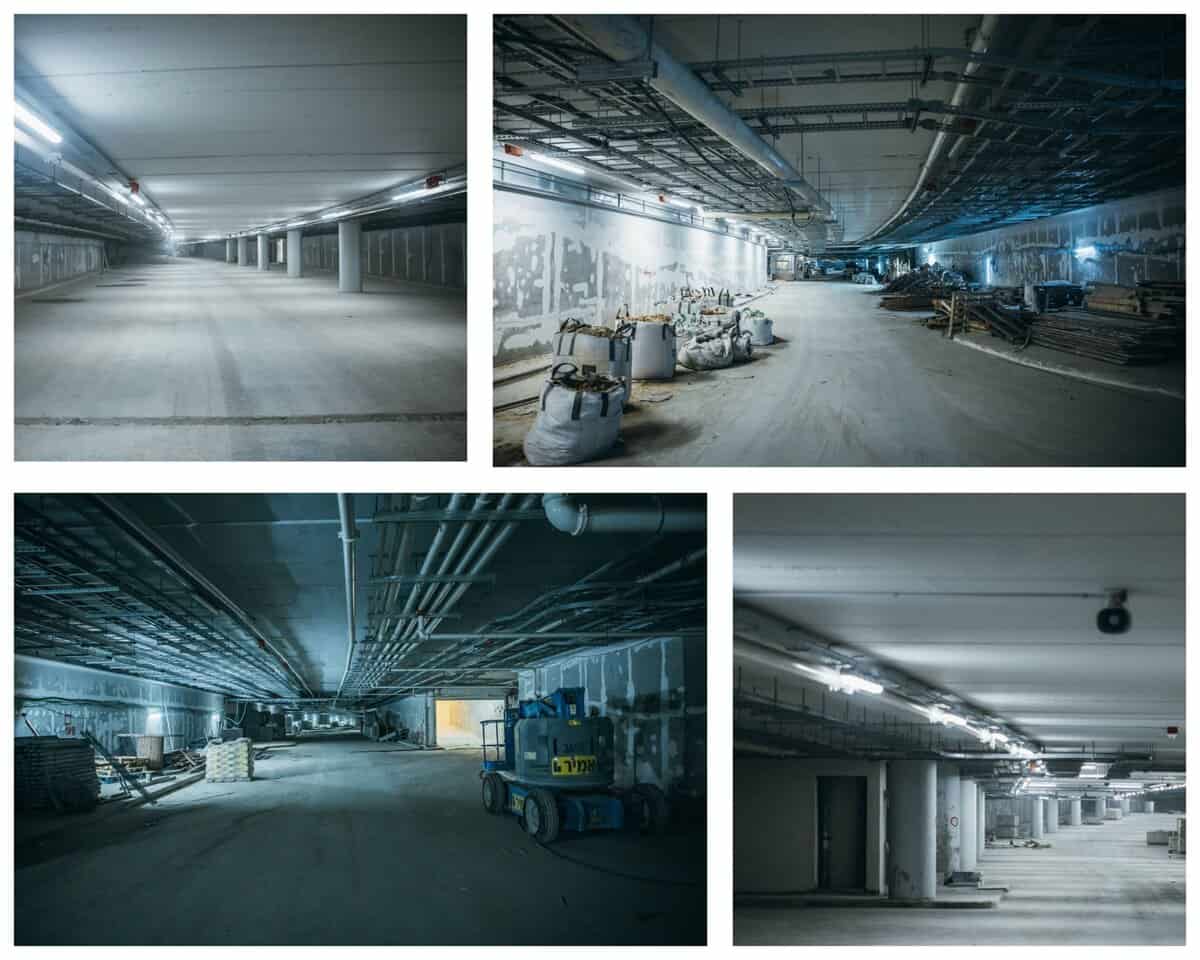
At the heart of the new Jerusalem entrance stands the Shazar project, led by Moriah Company in partnership with the Ministry of Transport. The centerpiece is a massive five-story underground park-and-ride facility with 1,370 spaces, directly connected to Israel Railways, the light rail, and the central bus station
This integration is presented as a game-changer for Jerusalem’s transport system – yet many wonder whether flawless engineering will translate into actual relief on the city’s roads
Jerusalem entrance project in numbers
The scope is striking: eight underground shafts reaching depths of up to 15 stories, about 600,000 cubic meters of rock and earth removed, 318,000 cubic meters of concrete poured, over 55,000 tons of steel installed, and 50,000 kilometers of cabling laid across the site. The parking halls stretch 250 meters in length and 30 meters deep, ending in six-story system complexes with generators, fans, control rooms, and emergency facilities
These figures highlight the engineering achievement – but also raise the question whether such investment will deliver real day-to-day relief for Jerusalem drivers
Jerusalem Gateway District – vision versus reality
The Shazar project is only one part of the broader Jerusalem Gateway District, designed to add 1.2 million square meters of offices, commerce, culture, hotels, and housing. Mayor Moshe Lion presents it as the creation of a modern, accessible capital with a new symbolic entrance
Yet many Jerusalemites recall earlier projects, also hailed as breakthroughs, that failed to significantly reduce congestion. This memory feeds skepticism toward the current promise of transformation
(Behind the Jerusalem attack – haunting questions)
Public transport in Jerusalem – what leaders say
Mayor Moshe Lion: “These days the works on the Jerusalem Gateway District continue… This is a project of vision, persistence, and dedication, set to finish soon and influence generations
Moriah CEO Gilad Bar-Adon: “The Shazar project is unlike anything we’ve known in terms of engineering. It’s not only transport infrastructure but a new mindset for building in the heart of a living city
Both statements sketch the vision, but doubts remain about whether the public will feel a tangible difference once the facility opens
Traffic congestion in Jerusalem – the real test
There is no denying the Shazar project marks a new chapter for the city’s entrance, showcasing one of Israel’s most complex infrastructure efforts. Still, Jerusalem’s history shows the gap between grand ambition and everyday traffic relief. As completion nears, the ultimate test will be whether the project truly alleviates congestion – or simply joins a long list of projects that never solved the city’s bottlenecks