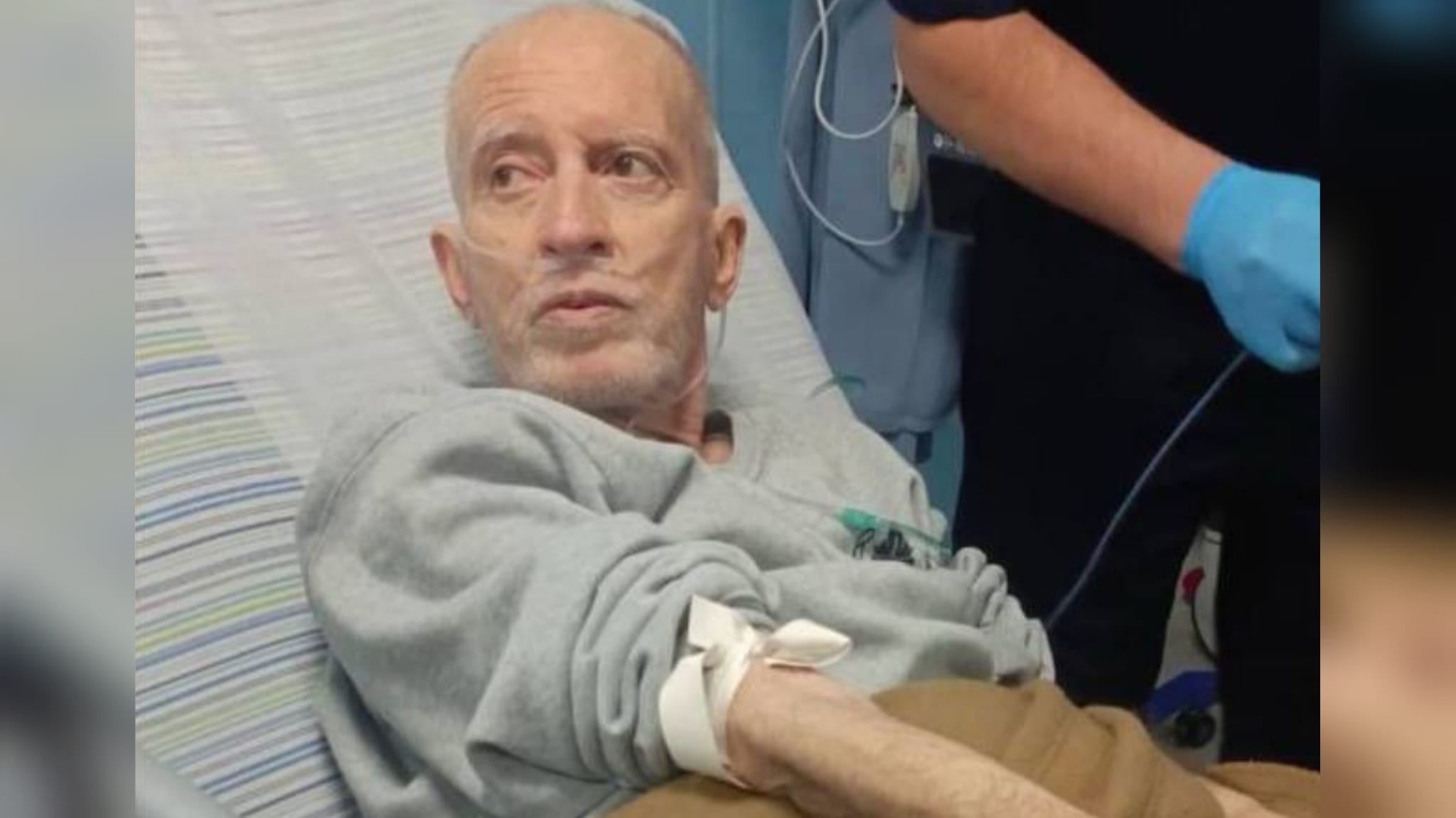
Khaled Ali Daoud al-Saifi, 67, a resident of the Dheisheh refugee camp near Jerusalem and a prominent figure affiliated with the Popular Front for the Liberation of Palestine in the Bethlehem area, died on Monday at the Al-Istishari Hospital in Ramallah, about a week after his release from administrative detention.
Al-Saifi served for years as director of the Ibdaa Cultural Center in Dheisheh. Israeli authorities have repeatedly alleged that the center functioned as a meeting place for militant activity and incitement under the guise of cultural work, while the center’s management consistently denied the claims and described it as a civilian cultural institution.
Following news of his death, large crowds of Palestinians gathered at the hospital, surrounding the entrance as his coffin was brought out.
What do Palestinians claim about his detention and medical treatment?
According to Palestinian claims, al-Saifi was arrested twice and held under administrative detention following October 7, 2023. During his second detention, which lasted approximately four months, he was held at Ofer Prison near Givat Ze’ev. Palestinians allege that during this period he received an injection that caused severe pneumonia and led to a rapid deterioration in his medical condition.
He was later transferred to the Israel Prison Service medical facility at Ayalon Prison, but his condition continued to worsen. Palestinian sources claim that authorities released him shortly before his death in order to prevent him from dying in custody. After his release, he was immediately hospitalized, where he died several days later.
Who was Khaled al-Saifi and what role did he play in the Bethlehem area?
Al-Saifi was a well-known figure in the Bethlehem area, where he worked as a nationalist educator and was locally referred to as “al-Ustadh,” meaning “the teacher.” He was considered by many Palestinians to be a symbol of national culture, heritage, and steadfastness.
His political activity dates back to the First Intifada, during which he was arrested multiple times in the 1980s and early 1990s and was regarded as one of the leading cadres in the Dheisheh refugee camp. He was again arrested during the Second Intifada in various security-related incidents.
In 2014, during Operation Brother’s Keeper, Israeli forces raided the Ibdaa Cultural Center and detained al-Saifi for questioning on suspicion of prohibited political activity and incitement. Over the years, the center was closed several times by Israeli military orders. Israel has maintained that the center served as a platform for terrorist organizations, primarily the Popular Front for the Liberation of Palestine, while the center’s management has consistently rejected those allegations.