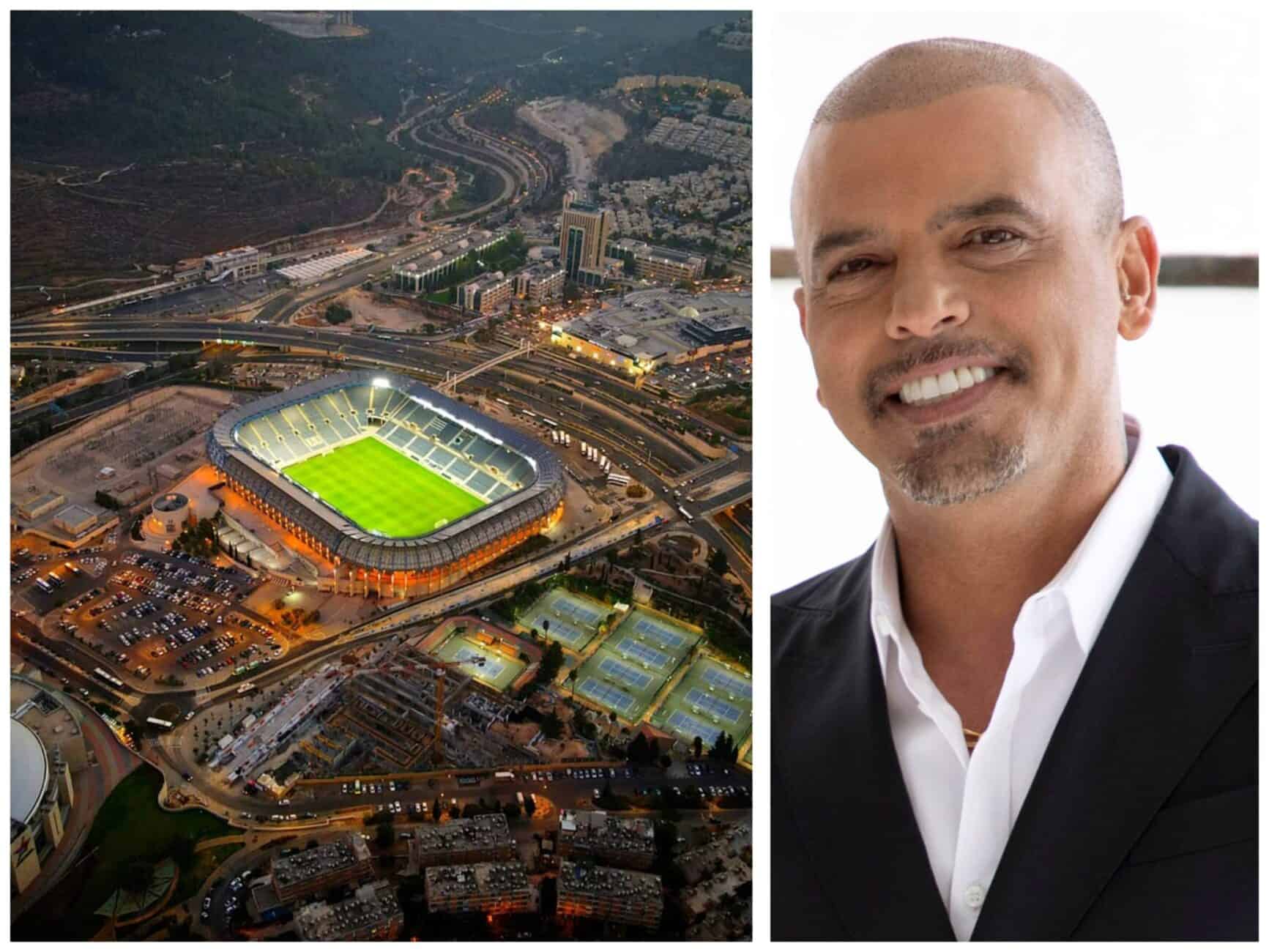
Israeli singer Eyal Golan’s interest in staging a series of concerts at Jerusalem’s Teddy Stadium has ignited political and moral debate inside city hall. While no official approval has been granted yet, the very idea of hosting Golan in Jerusalem’s most prominent venue has sparked fierce opposition from within the municipality
Jerusalem must be a moral beacon
Deputy Mayor Yossi Havilio, who also heads the city’s Sports Department, publicly voiced his objections to the idea. In a strong statement on social media, he criticized the notion of allowing a controversial public figure to take the main municipal stage in the capital.
Jerusalem must be a moral beacon, Havilio wrote.
“The city must convey a message that respects women’s dignity and safety
Our football clubs deserve to open their season at their home stadiums, not be displaced
Are we really willing to trade away morality and sportsmanship for money?
While Havilio refrained from naming specific cases, his statement referred to past public controversies surrounding Golan, who has long divided public opinion. Havilio added that he had sent an urgent request to Mayor Moshe Lion and Ariel Company CEO Uri Menachem, asking them to reject any such concert plans
Pressure mounts behind the scenes
Despite Havilio’s stance, sources close to the matter say significant pressure is being applied from public figures, celebrities, and sports officials to allow the concerts to proceed. Both Beitar and Hapoel Jerusalem have reportedly considered rescheduling games to accommodate potential show dates—though no final decisions have been made
(A Piano in Jerusalem Waits: Alon Ohel Still Missing)
Golan’s production company, Miliam Productions, issued a statement
We’re working diligently to reschedule the Gold 2025 tour, which was canceled due to a vital war effort. We’ll share updates as soon as decisions are made. Meanwhile, we wish for peace, safety, and the return of all hostages.
In a city like Jerusalem, music is rarely just entertainment—it’s a statement
When the singer becomes the subject, and the stadium a symbol, it’s hard to separate performance from politics