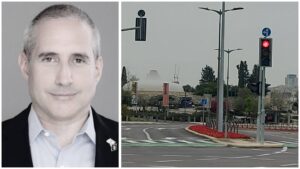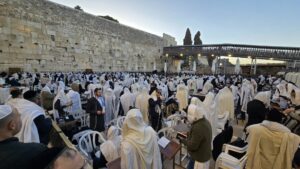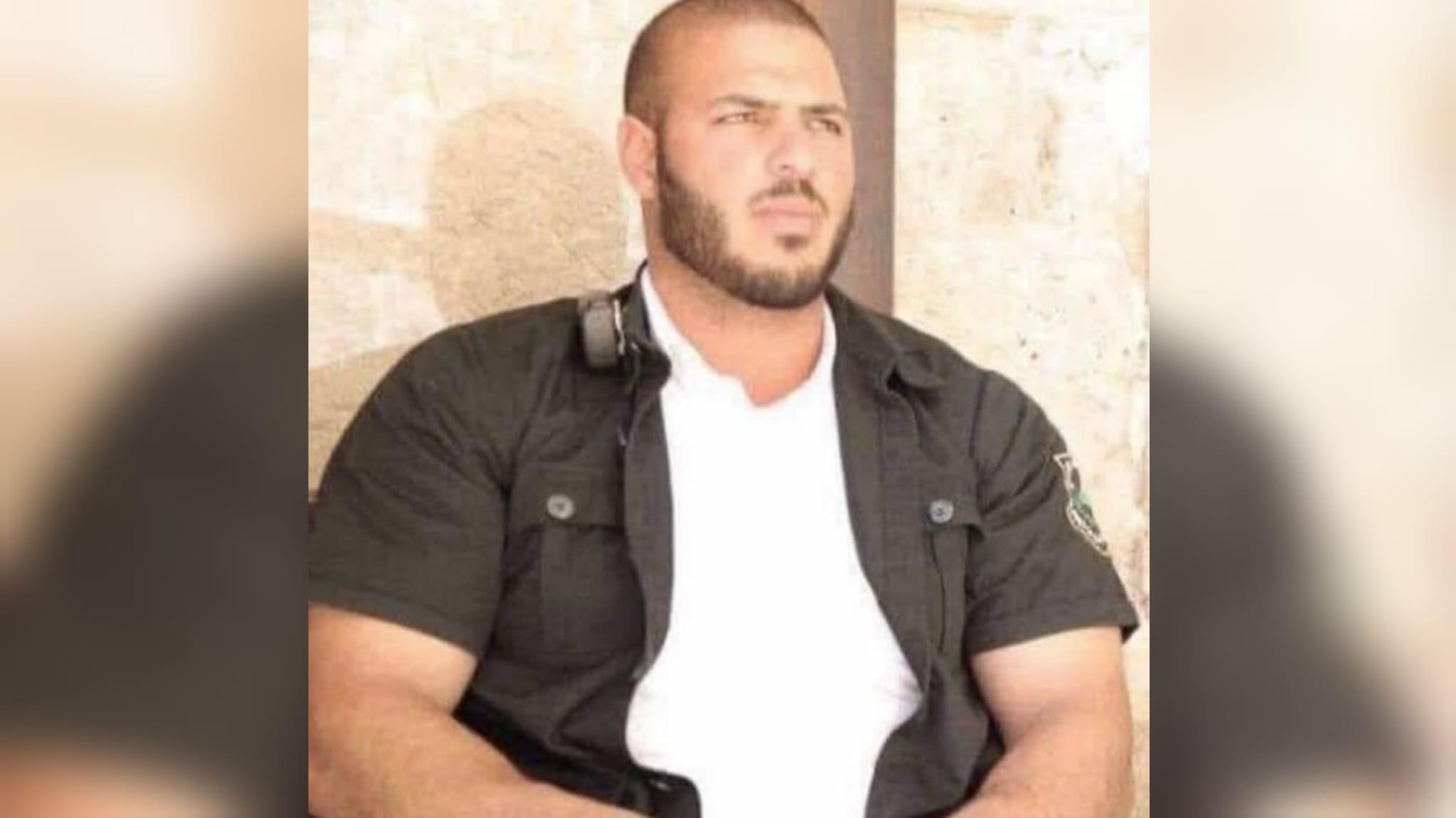
Fadi Alian, one of the central figures in the Jordanian Waqf’s security apparatus on the Temple Mount in Jerusalem, who serves as head of the guards at the Al-Aqsa Mosque compound, was removed at the beginning of the week, on Sunday, from the Temple Mount and its surrounding areas for a period of six months. The main objective is to prevent his presence at the site during the upcoming month of Ramadan, which is expected to begin in the coming days.
The removal order was signed by the Jerusalem District Police Commander, Superintendent Avshalom Peled. In the justification for the order, police stated that “the measure is necessary to prevent serious harm to life or property.”
In recent weeks, and ahead of Ramadan 2026, more than 100 individuals identified by intelligence services as agitators and instigators of disturbances have also been removed from the Temple Mount.
What Is Fadi Alian’s Role at the Temple Mount?
Fadi Alian, around 40 years old and a resident of the town of Issawiya near Mount Scopus, began working as a guard at the Al-Aqsa Mosque in early 2015. As head of the Waqf guards, he is responsible for managing the Muslim security system at the site, including supervising worshippers’ entry. However, Alian views his primary mission as protecting Al-Aqsa from what he describes as “Jewish incursions.”
Alian has frequent confrontations with Israeli security forces, particularly Jerusalem District police officers responsible for maintaining public order, as well as with Jewish visitors to the site. He has been arrested and removed from the Temple Mount numerous times, mainly for interfering with police activity and, on several occasions, for assaulting officers.
Between 2021 and 2024, Alian served three years in prison after being convicted of terrorism-related offenses. He was accused of purchasing and storing a submachine gun of the “Carlo” type and transferring it to a relative, who used the weapon in three shooting attacks in 2021 against police officers and patrol vehicles in Issawiya and near Hadassah Mount Scopus Hospital. Investigators found that Alian acted as a liaison and logistical supplier. He was charged with weapons acquisition, possession, and carrying, as well as providing means for terrorist activity.
How Did Alian Become a Political Symbol Around Al-Aqsa?
In February 2021, the Jerusalem Municipality demolished Alian’s two-story home in Issawiya due to illegal construction without permits. Palestinian sources claimed at the time that the demolition was “political revenge” for his activities at Al-Aqsa. As evidence, Palestinian media published a recording of a conversation between Alian and a Shin Bet officer (“Captain Ali”), in which it was alleged that Alian was warned that continued confrontations at the site would lead to his home’s demolition.
For the Jordanian Waqf and the Palestinian public, Alian is viewed as a hero who pays a personal price, including imprisonment and the destruction of his home, for defending Al-Aqsa Mosque. His continued employment represents a political statement against Israeli sovereignty and against attempts to influence the identity of the site’s guards. Due to diplomatic considerations, Israel finds it difficult to prevent his official employment by Jordan and therefore acts mainly through administrative measures such as removal orders and repeated summons for questioning.