What began as a relationship between two young people in Jerusalem ended with hospital treatment, a shattered car windshield, and a police file of severe allegations. In recent days, three separate incidents have been investigated by the Jerusalem District Police, each shedding light on how domestic disputes can spiral into violent crime.
Shaafat Station: brutal stick attack in Jerusalem
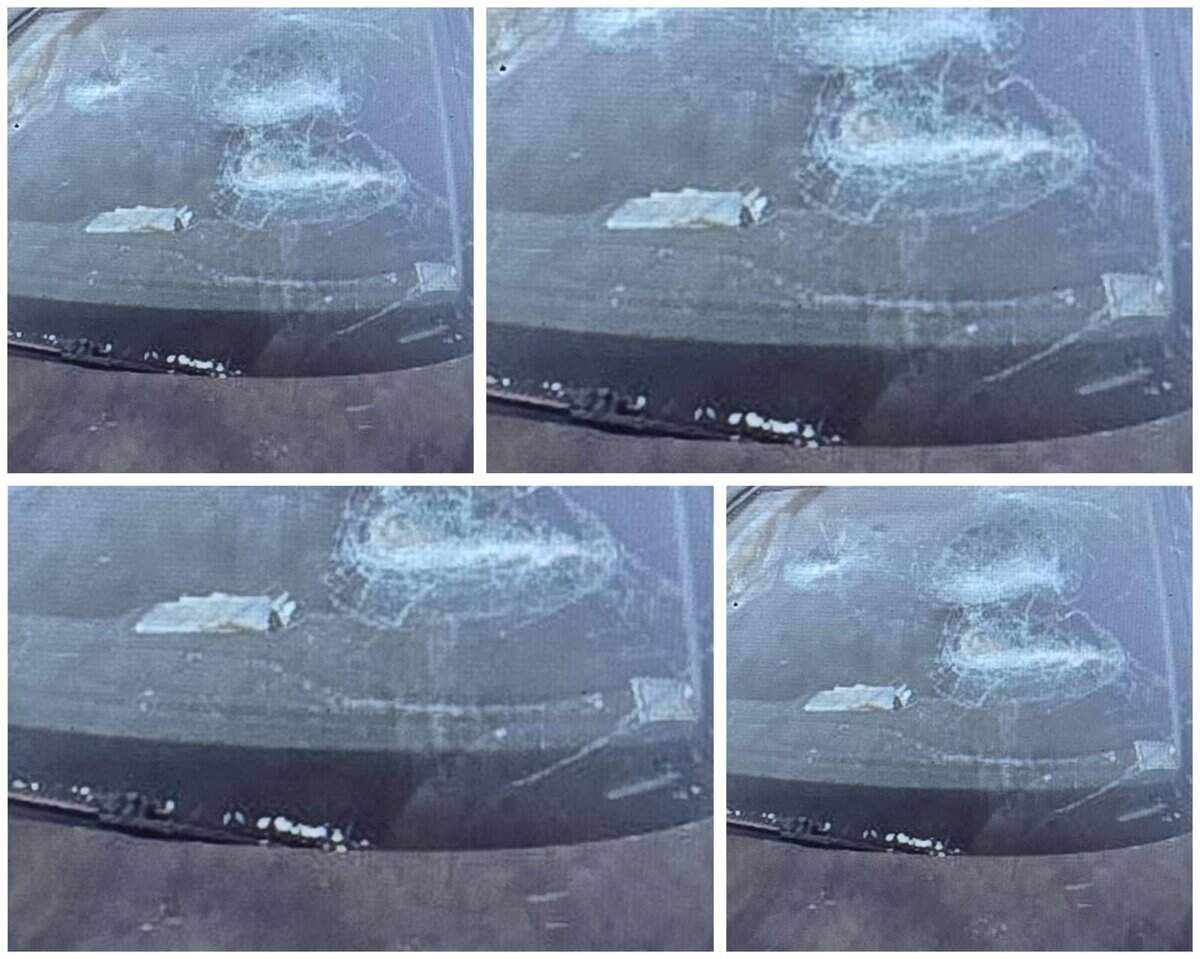
The first case was reported to Shaafat Police Station, where officers received a complaint against a man in his 20s from East Jerusalem. According to the investigation, he sent threatening messages to his partner and her father, and later arrived with others outside the woman’s family home. There, the suspects allegedly attacked the father with sticks, causing injuries that required hospital treatment. They also smashed the windshield of his car, leaving visible damage that documented the violence.
Detention extended at Jerusalem Magistrate’s Court
The investigation further revealed that, days later, the same suspect returned to the scene and shouted to his partner: “What we did to your father, now it’s your turn.” Police acted swiftly, arrested the suspect, and brought him in for questioning on charges of aggravated assault, threats, and property damage. The Jerusalem Magistrate’s Court extended his detention until September 22.
Two other cases of domestic violence in Jerusalem
At the same time, two additional investigations unfolded in the city. In one, a husband pulled his wife by her hair until she fell and then dragged her along the ground – simply because she had not prepared food for him. In another case, a man in his 30s from East Jerusalem assaulted his partner, leaving her injured and in need of hospital care. Both suspects were arrested and brought before court, which extended their detentions until September 22 and September 25 respectively.
(“Mercy on Gaza’s martyrs” – Al-Aqsa cleric ousted)
Domestic violence in Jerusalem – a growing concern
The Jerusalem Police stress that they view domestic violence with utmost severity and will act decisively against all offenders. Yet beyond the police files, these cases reflect a deeper reality: the line between intimacy and abuse can be frighteningly thin. In Jerusalem, as in many cities worldwide, the challenge of protecting women from violence within their own homes remains urgent – and each shattered relationship is another reminder of that fragile boundary.