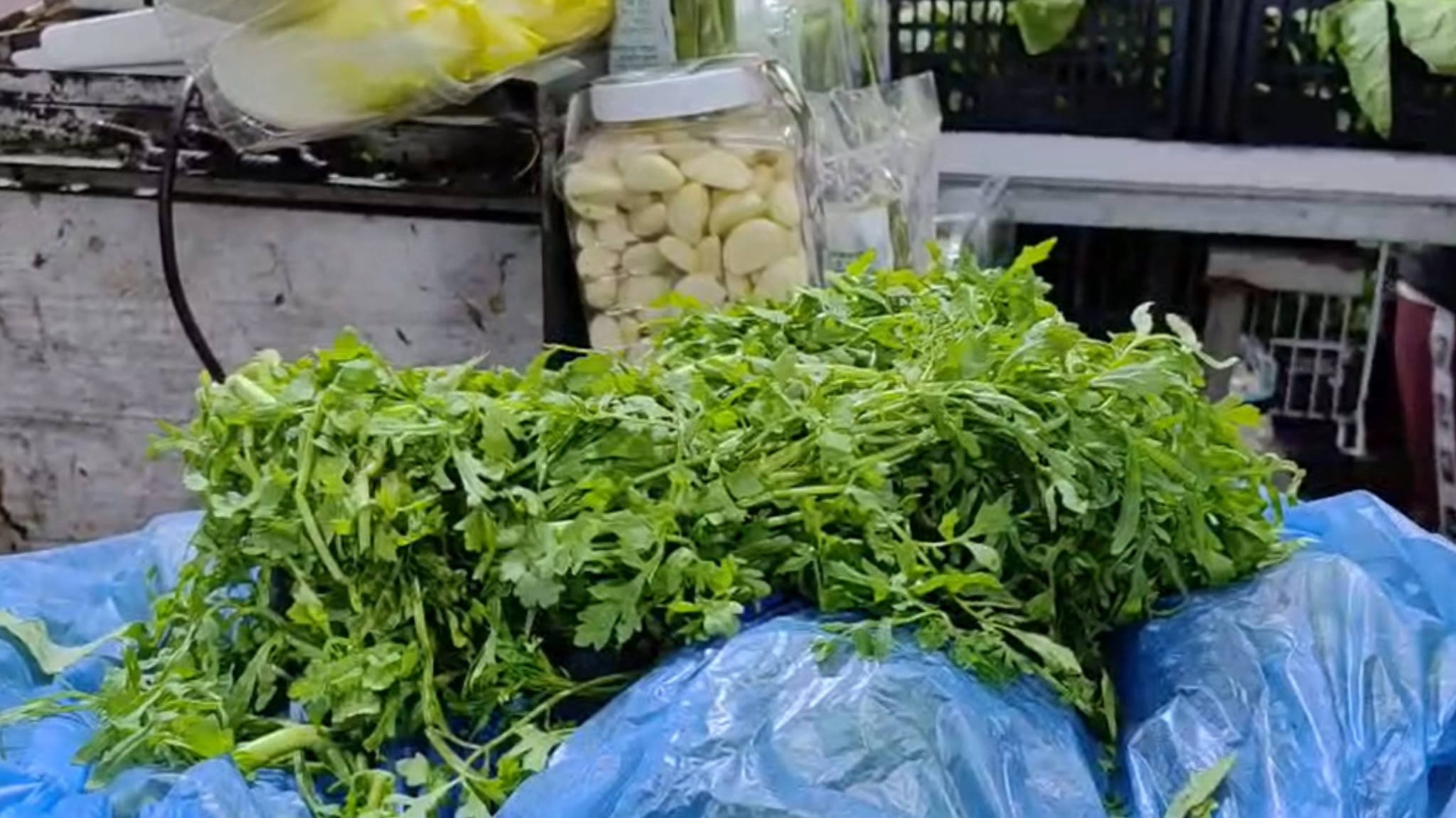
Between the narrow alleys of Mahane Yehuda Market in Jerusalem, among stalls stacked with fresh herbs, rashad is doing far more than seasoning salads. Known in English as garden cress, the small, peppery green – long associated with traditional healing – has become one of the market’s most sought-after plants, quietly connecting communities through everyday health.
In an era dominated by supplements, capsules and prescriptions, rashad represents something older and simpler. Vendors describe it as a plant that “cleans the blood”, strengthens the body and keeps illness at bay. From the Arab villages surrounding Jerusalem to the heart of Mahane Yehuda, this low-growing herb has emerged as a living, edible bridge between Arabs and Jews.
How did rashad become the latest health craze at Mahane Yehuda Market?
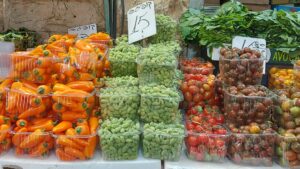
A grey Jerusalem morning settles over the market. The scent of damp coriander hangs in the air, while piles of parsley, mint, za’atar, sage and dill crowd the stalls. Yet one thing is often missing: rashad. The dark-green herb, which needs no sales pitch, disappears within minutes. Young shoppers, elderly women from Middle Eastern communities, Ashkenazi grandmothers with inherited recipes, and chefs on foraging missions all ask the same question – where is the rashad?
Rashad, or garden cress, is a small, wild herbaceous plant widely used in the Arab world as an everyday medicinal staple. Not a supplement, not a painkiller, and not a pharmaceutical shortcut. Its qualities have been passed down through generations: blood cleansing, immune support, digestive aid, balancing sugar and fats, and an overall strengthening of the body.
In recent years, rashad has crossed boundaries in Jerusalem. From early in the week, bundles arrive at the market grown in Arab neighbourhoods around the city. From Shuafat, Beit Safafa and Abu Ghosh, the herb makes its way directly into the centre of Mahane Yehuda.
Why has rashad become a shared symbol in Jerusalem?
The plant has undergone what many describe as a culinary conversion. Once identified almost exclusively as an Arab herb, rashad has become a trend. Known in Hebrew as garden cress, it now appears in salads and is finely chopped into hummus with lemon and olive oil. Demand continues to rise, supply remains limited, and the herb sells out quickly.
Across from one of the stalls stands Bakshi Pharmacy. Many shoppers pass by vitamin supplements and multivitamins altogether, preferring instead a modest bundle of rashad. For them, itching subsides, headaches ease, and other everyday health complaints fade. Rashad is a natural remedy, no prescription required. When one buyer, already chewing a freshly plucked stalk, is asked how he manages the herb’s sharp heat, his answer is simple: “It’s food, not medicine.”
This is more than a health preference. It is a worldview.
And in Mahane Yehuda, between baskets of radishes, cauliflowers and fiery peppers, rashad appears and disappears. Green, modest and unassuming. Perhaps this small, resilient herb reminds Jerusalemites of something basic and shared: health is needed by Jews and Arabs alike. And Hassan, one of the stall owners, is happy to sell to everyone – with a smile, and a generous sense of wellbeing, almost for free.