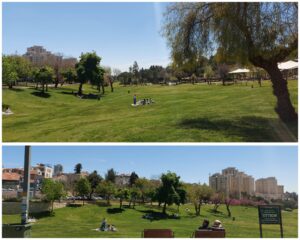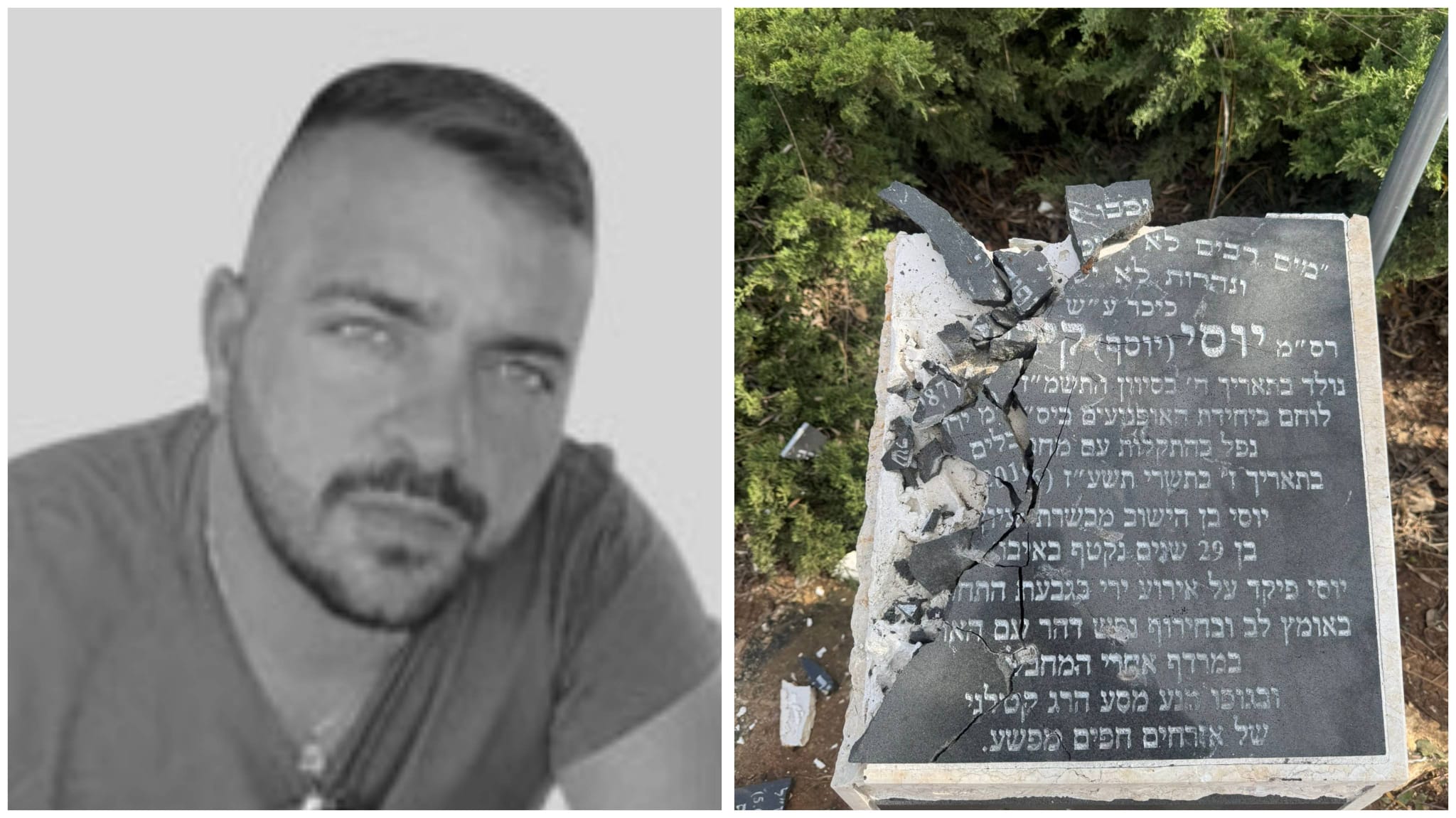
A memorial dedicated to Sgt. Maj. Yossi Kirma, a YASAM unit fighter from Jerusalem, was vandalized just days before Israel’s remembrance period. According to police, the suspect arrived with a hammer, smashed parts of the stone monument and fled. He was located and arrested a short time later.
Sgt. Maj. Yosef (Yossi) Kirma, a Jerusalem YASAM fighter, was killed in October 2016 during a shooting attack in the city. He was 29 at the time of his death. During the attack, he engaged the gunman and was fatally wounded while attempting to stop the assault.
From the Jerusalem District Police it was stated: “Israel Police views with great severity any harm to memorial values and monuments commemorating fallen security forces who sacrificed their lives for the safety of the state.”
How did police arrest the suspect in the memorial vandalism?
Upon receiving the report, officers from the Harel station in the Jerusalem District launched immediate searches in the area. Within a short time, they managed to locate the suspect – a 53-year-old resident of Mevaseret Zion – and arrest him.
The arrest followed rapid operational activity, including gathering initial findings and focused searches. The suspect was taken in for questioning, and police are currently examining the circumstances of the incident and his motive. Kirma’s family was also updated both about the damage and the swift arrest.
What is the punishment for vandalizing a memorial in Israel?
Intentional damage to property can lead to prison sentences under Israeli law. When the act targets a memorial site, courts tend to treat it more seriously, viewing it as harm to public values and collective memory.
In similar cases, courts have imposed significant fines and, at times, actual jail time. In this case, beyond the arrest itself, the key question is whether the punishment will reflect the gravity of damaging a site of remembrance.