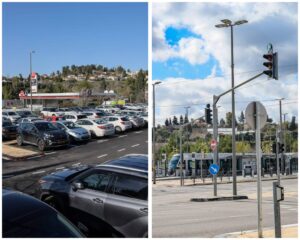
As Tisha B’Av 2025 approaches, Jerusalem enters a state of reflection, sorrow, and spiritual awakening. At the Western Wall, the crowds have already begun to grow. Long lines form at bus stops and at the entrance security checkpoint, as thousands make their way to the sacred site – even before the traditional reading of Lamentations
Among the worshipers are also beggars and petitioners, reminding all that charity can be a form of redemption. The scorching heat of late July leads into the month of Av – historically marked by the destruction of both Temples in Jerusalem – and the atmosphere seems to speak its own lament
Prayers rise as notes slip from the Wall
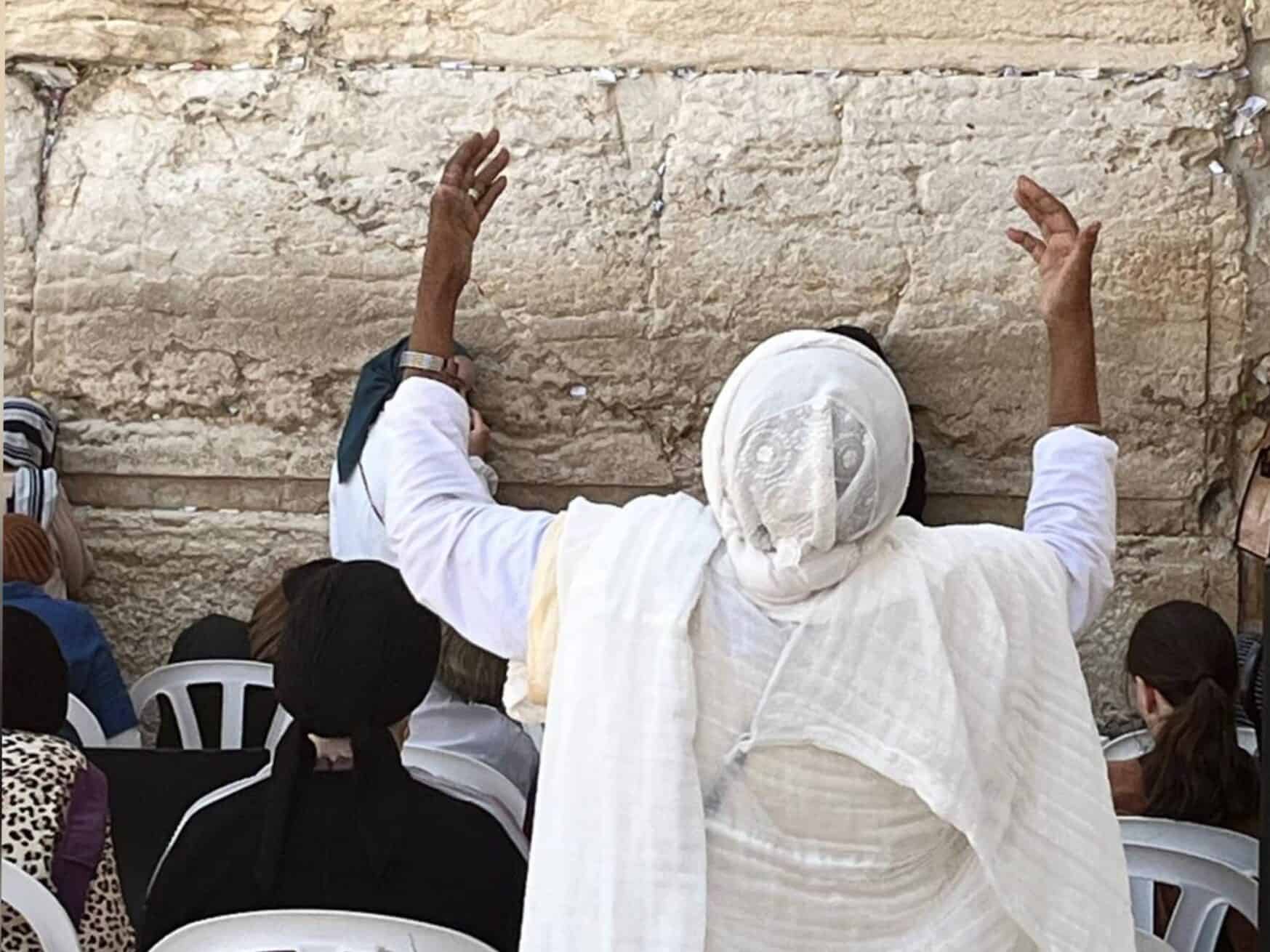
In the men’s section, ornate Torah scrolls are still open in the final hours before the month of mourning. Across the partition, women raise their arms and voices in heartfelt pleas – for health, livelihood, peace in the home, and the easing of judgment. The Wall itself is overflowing with handwritten prayers. Its cracks are stuffed with notes, some falling to the ground as if unable to hold the collective grief
(From Mount Herzl, a National Storm Begins)
Wailing and preparation: echoes of history and today
For the custodians of the Western Wall, these days are a solemn preparation for the thousands expected to gather in mourning. Alongside ancient elegies, new laments are being added – including verses about the Holocaust, the Crusades, the expulsion from Spain, the burning of Jewish texts, and, most recently, the October 7th massacre in southern Israel. A new elegy titled “Kinah for Be’eri”, written by poet Yigal Rosh, has been added to this year’s readings
A sacred mirror of modern pain
The Wall is not only a symbol of historical destruction – it reflects today’s fractures. In one corner, a mother and daughter wear pins with the word “hostage.” The daughter whispers, “It’s not just the Temple that was destroyed. Something in us feels broken – trust, unity, even hope
(Jerusalem’s Chain Street: Old Decree, New Tensions)
The City of Jerusalem and the Western Wall Heritage Foundation are preparing special events: guided tours through the tunnels, the chief rabbi’s prayers for IDF soldiers, for the return of over 50 hostages, for healing the wounded, and for peace across Israel
At this time, the Western Wall becomes more than a holy site. It is a mirror of a nation – holding the sorrow of generations and the silent anguish of today. As one woman said through her tears, “The real question isn’t only what we’ve lost – but whether we’re doing enough to protect what’s left