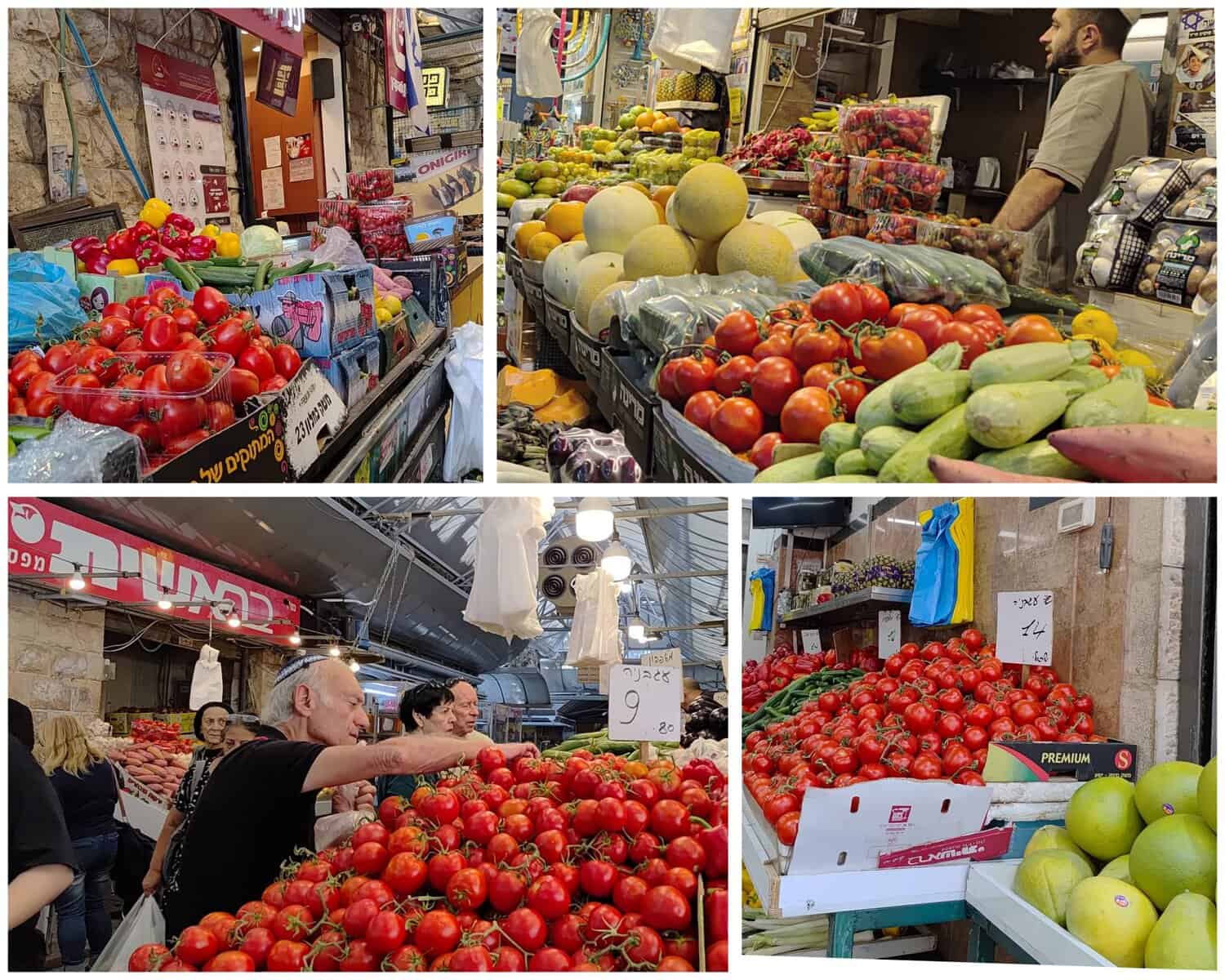
What happened to the tomatoes? Once the most common vegetable in every Jerusalem salad, their price has soared – and this season, they’ve nearly vanished from the Mahane Yehuda Market. The stalls that once overflowed with juicy red piles now blush with embarrassment at their emptiness.
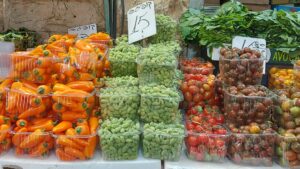
The price of tomatoes in Jerusalem ranges between 9 and 14 shekels per kilogram. They now occupy only small corners of a few stalls in the Mahane Yehuda Market, as local shoppers are unwilling to pay these rates. Once bought by the kilo, Jerusalemites now purchase two or three tomatoes at most – students, tourists, or residents suddenly surprised by guests.
Tomato prices in Jerusalem – cheaper in supermarkets
Surprisingly, large retail chains sell tomatoes for less. The original purpose of building a central market in Jerusalem was simple – to give nearby residents access to affordable local produce. Tomatoes, cucumbers, scallions and radishes were meant to be the city’s democratic vegetables. Today, making a simple salad on Nahon or Rash’i Street feels like an investment. A single tomato sliced for a salad has become a luxury item, a kind of super-vegetable.
Behind the price lies a tough story. Unstable weather, relentless heat waves even in November 2025, and a war that drew farmhands to the front instead of the fields, combined with sudden untimely rains that damaged the crops. Some farmers in the Jordan Valley, Hatzeva and the southern regions gave up on tomato cultivation altogether. The crop demands water, labor and patience – all in short supply. Others moved their production into greenhouses, where costs rose sharply with electricity, fuel and transport. The result: the simplest vegetable has become rare.
Jerusalem moussaka – the eggplant misses its tomato
In Jerusalem, the tomato is not just a vegetable – it’s the heart of home cooking. Every pot of tomato sauce tells a different story. There’s the Jerusalem-style moussaka, simmered for hours in a thick, tangy sauce; the Saturday shakshuka with challah soaking up the last drop; stuffed tomatoes filled with rice and meat like a grandmother’s dish; and those slow-roasted ones whose scent fills entire stairwells. Even today, a building on Eshkol Street filled with the aroma of tomato stew can lift the soul. And the classic Jerusalem salad, with purple onion, chopped cucumber and a little hot pepper, simply doesn’t work without tomato.
Buyers at Mahane Yehuda no longer purchase by the kilo. They buy by the piece. “Give me three nice ones,” a young woman hurrying home says. No matter the price, the red must be on the table. She’s right – the taste of a good tomato is not only about agriculture, it’s a Jerusalem way of life, a flavor that warms the heart.
Lycopene – cook the tomato
The future may depend on small urban greenhouses reviving local varieties, or rooftop and balcony growing projects. A real tomato is not just an ingredient – it’s a capsule of health, lycopene, vitamins and natural immunity. The more you cook it, the stronger it gets. Without it, everything looks pale. The tomato is the red that must return to Mahane Yehuda Market in abundance – affordable, fresh, and part of daily life. Its price must fall, farmers must be supported, and competitors from Turkey, Poland, Holland and Greece – should stay on stage for Eurovision.