Jerusalem is entering another phase of large-scale infrastructure works, and this time Emek Refaim Street – one of the city’s most iconic and upscale streets – is at the center. The planned works include preparations for the light rail’s Blue Line alongside major underground upgrades, a combination expected to reshape both the street and daily life around it.
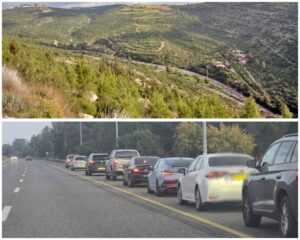
Early signs are already visible: growing congestion, narrowing lanes and a sense of disruption that is becoming routine. For many residents, this is no longer a temporary inconvenience but part of a broader reality – a city under constant construction. In the background, the war with Iran and recurring sirens add another layer of tension to daily life.
Is Emek Refaim in Jerusalem heading for a major transportation shift?
Emek Refaim is a central artery in southern Jerusalem, connecting neighborhoods with busy hubs of dining, commerce and tourism. The light rail project is expected to transform it from a car-oriented road into a space prioritizing public transport, pedestrians and cyclists. In practice, that means fewer lanes for private vehicles, heavier congestion in the short term – and a different street in the long term.
Why are Emek Refaim and the German Colony in Jerusalem so prestigious?
The German Colony was established in the late 19th century by members of the Templar community, leaving a distinct architectural legacy. Emek Refaim developed as its central axis, lined with large stone houses, courtyards and a European-style atmosphere.
Over time, the street became one of Jerusalem’s leading leisure areas, filled with cafes, restaurants and boutique shops. The mix of history, location and atmosphere turned it into one of the most desirable and expensive areas in the city – making every change there immediately noticeable.