Jerusalem has been grappling in recent years with climate pressures, population growth and the erosion of open spaces. Out of these realities a new model of urban ecology is emerging. Local initiatives now place a stronger spotlight on urban nature in Jerusalem, on building green communities, and on the understanding that social sustainability is a core driver of urban resilience rather than just an environmental objective.
The Ecologiali conference, held at the Jerusalem Botanical Garden, reflects this shift clearly. The event brought together professionals, community leaders and environmental activists from across the city, creating a professional dialogue that connects climate challenges with the social fabric of Jerusalem’s neighborhoods. More than a technical gathering, Ecologiali has become a space that examines how residents can act as a strategic layer in responding to climate change.
How does urban nature generate community resilience in Jerusalem?
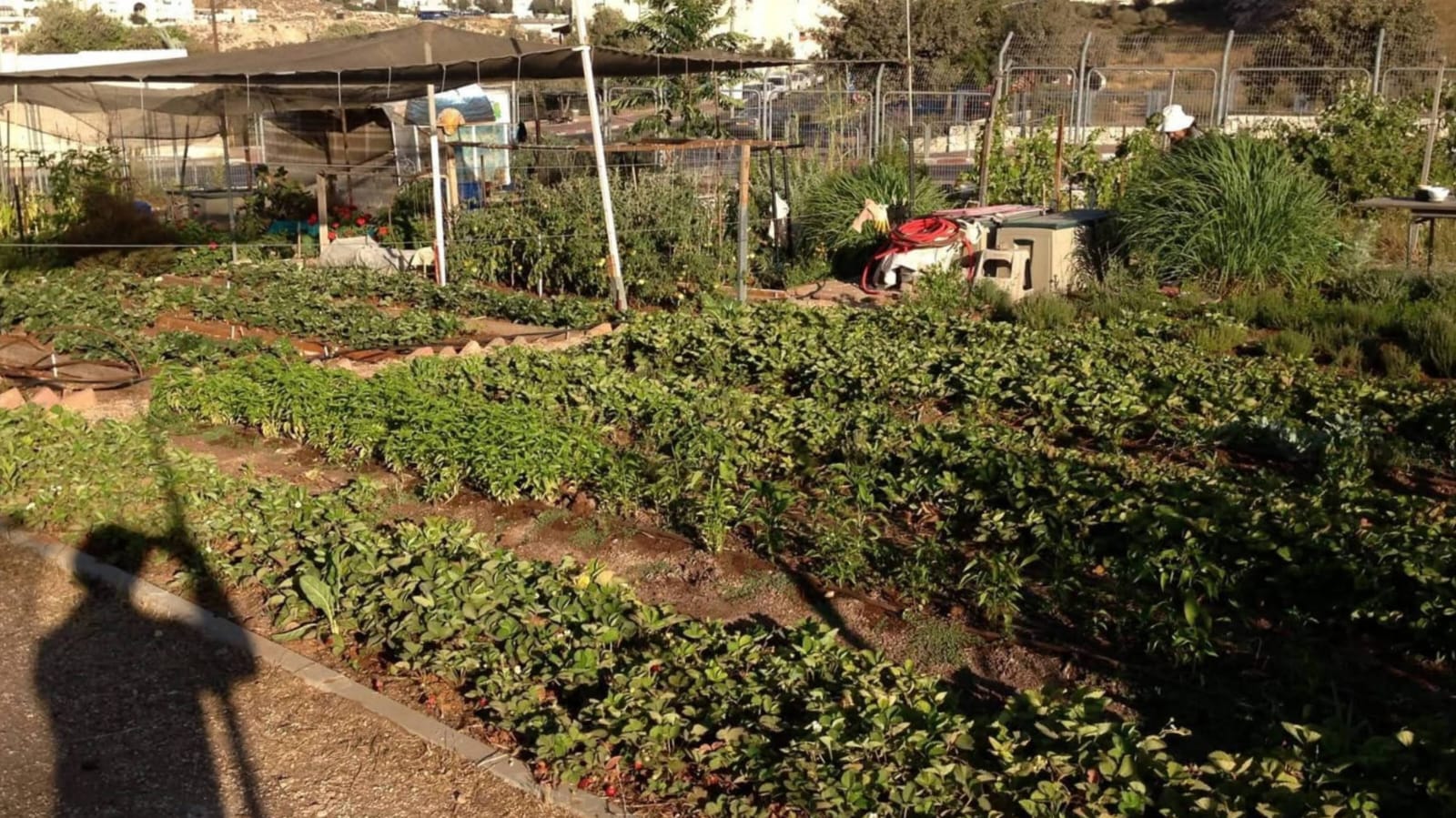
Initiatives born through Ecologiali in recent years point to a widening trend: preserving open landscapes in the Nahal Tzofim area, establishing a community wildflower reserve in Neve Yaakov, green education programs in schools across Kiryat Yovel and partnerships between youth movements and neighborhood groups. All illustrate the city’s new direction: blending green infrastructure with community responsibility and a renewed civic connection to urban nature.
The municipality is embedding this idea across the wider urban system: improving air quality, developing climate-adapted infrastructure, preserving natural areas and reducing heat stress. This approach rests on a central understanding: without active residents, there is no real urban sustainability.
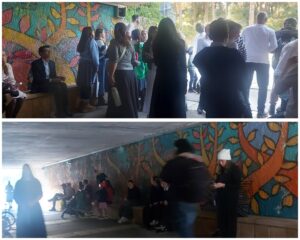
The gathering at the botanical garden created a shared thinking environment that blended narrative workshops, learning circles and in-depth discussions. Participants built a collective picture of Jerusalem’s ecological challenges and the social resilience needed to address them, with an eye toward initiating broader environmental projects.
At the closing of the conference, Jerusalem’s Mayor Moshe Lion emphasized this direction: “Jerusalem leads in environmental and social action based on the deep belief that sustainability begins with people. This gathering strengthens the partnership between professionals, communities and the municipality and enables us to build together a greener, more pleasant and more community-oriented city.”