In recent months, Jerusalem has become a city that is increasingly difficult to move through. Large-scale infrastructure works, constant excavations, blocked roads and severe traffic congestion have turned everyday travel into a prolonged challenge. Residents describe routine trips between neighborhoods that can take an hour or more, while central areas of the city feel almost permanently jammed. The prevailing sense is of a city that has slowed to a near standstill.
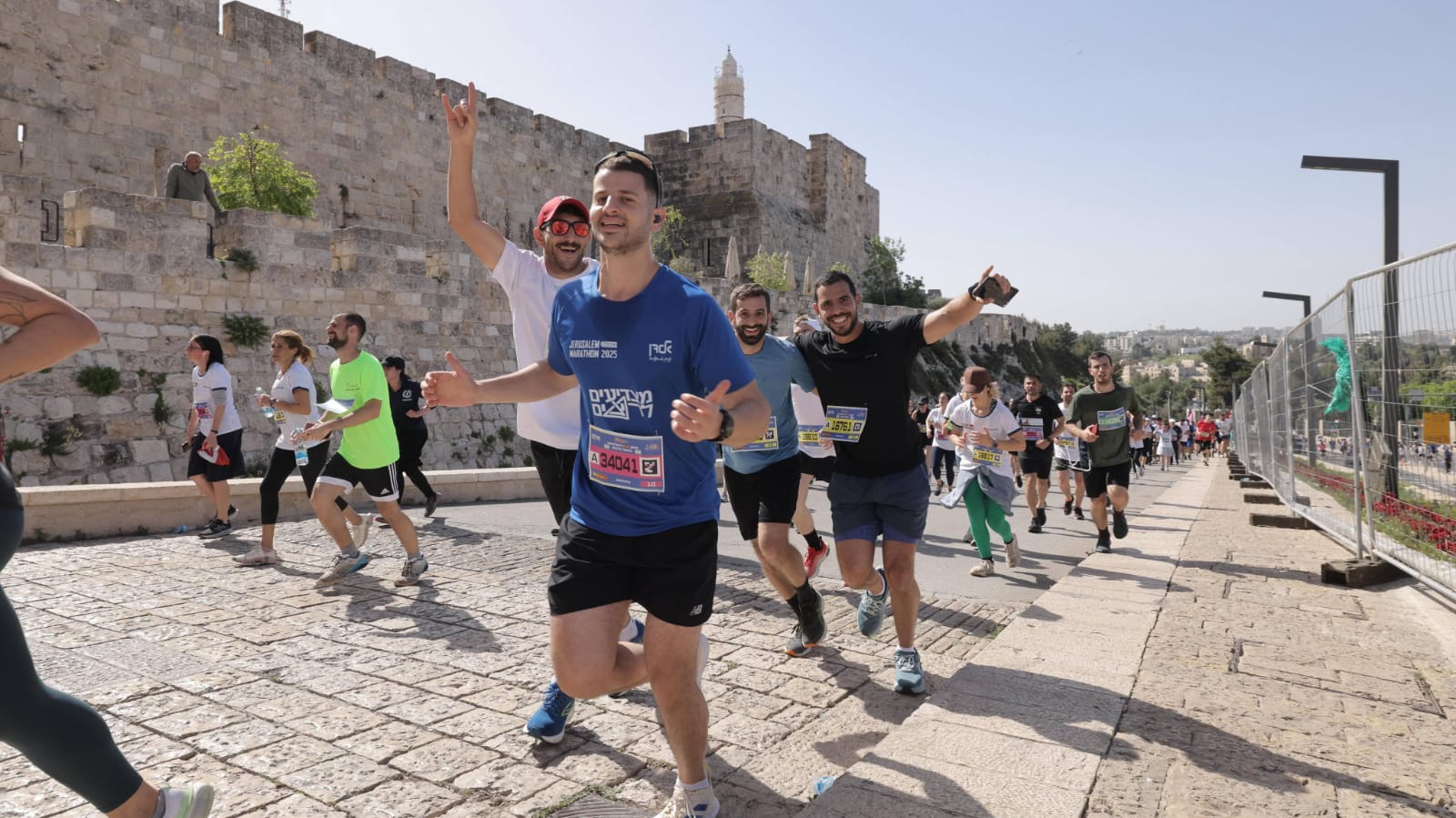
Within this strained urban reality, a different kind of movement will take place on Friday, March 27, 2026. The Jerusalem Winner Marathon will be held for the 15th time, drawing tens of thousands of runners from Israel and around the world. For one day, a city defined by gridlock will replace traffic jams with footsteps, horns with breathing, and blocked streets with running routes.
Traffic in Jerusalem and road closures shape daily life
Light rail construction and other major infrastructure projects currently intersect with nearly every central artery in Jerusalem. Roads are repeatedly closed and reopened, lanes are narrowed, public transport routes are altered, and residents are forced to plan even short journeys with care. Traffic in Jerusalem and ongoing road closures are no longer temporary disruptions, but a defining feature of daily life in the city.
Against this backdrop, closing streets for the Jerusalem Winner Marathon takes on a different meaning. Jerusalem Mayor Moshe Lion notes that “the marathon is much more than a sporting event, it is an expression of strength, mutual responsibility, unity and the Jerusalem spirit,” and adds that “once again we salute IDF soldiers, security and rescue forces and reservists who protect us every day, and invite them to take part in an international celebration of sport, community and hope.”
Jerusalem Marathon 2026 as a response to a city at a standstill
The Jerusalem Winner Marathon is widely regarded as one of the most challenging and scenic marathons in the world, with routes passing historic landmarks and iconic city views. This year, it takes place amid a particularly complex urban reality, where everyday movement across the city feels increasingly restricted.
Maj. Gen. Dado Bar Kalifa, Head of the IDF Manpower Directorate, describes the broader meaning of the event, noting that “IDF service members, both regular and reserve, are the driving force behind Israeli society,” and adding that “the resilience of the nation and the security of the state depend on our unity.” He further explains that “during the marathon, we will run together alongside bereaved families and wounded veterans, remember hope and the city that was joined together, and strengthen the human and national bond that is the source of our strength.”
Event sponsors also emphasize the marathon’s wider significance. Toto Chairman Shabtai Tzur notes that “in its 15th year, there is no doubt that the Jerusalem Winner Marathon has become an institution in Israeli sport and society, attracting tens of thousands of participants each year from Israel and abroad.” Toto CEO Meir Bardugo explains that “the Jerusalem Winner Marathon and Toto have been running together for 15 consecutive years,” stressing that “for Toto this is not just sponsorship, but a genuine partnership in a flagship international event that showcases the positive face of Israel and its people.”
Participants will receive a dedicated runner’s kit including an official marathon shirt, bib number, timing chip and additional benefits. The Jerusalem Winner Marathon is managed by the Jerusalem Municipality’s Sports Department in cooperation with national and municipal partners.
The Jerusalem Winner Marathon will not solve the city’s transportation problems. But in a city that has felt stuck for months, it offers one day of a different kind of movement – deliberate, human and free. When Jerusalem cannot drive, running becomes a way to reclaim motion, breath and a sense of normalcy.